- 1Movie Overview
- 2Direction & Cinematography
- 3Cast & Performances
- 4Character Psychology
- 5Themes & Emotional Depth
- 6Memorable Scenes & Dialogue
- 7The Ending — Does It Deliver?
- 8What Works
- 9Honest Criticism
- 10How It Compares
- 11Legacy & Cultural Impact
- 12Behind the Scenes
- 13Who Should Watch It?
- 14Final Verdict
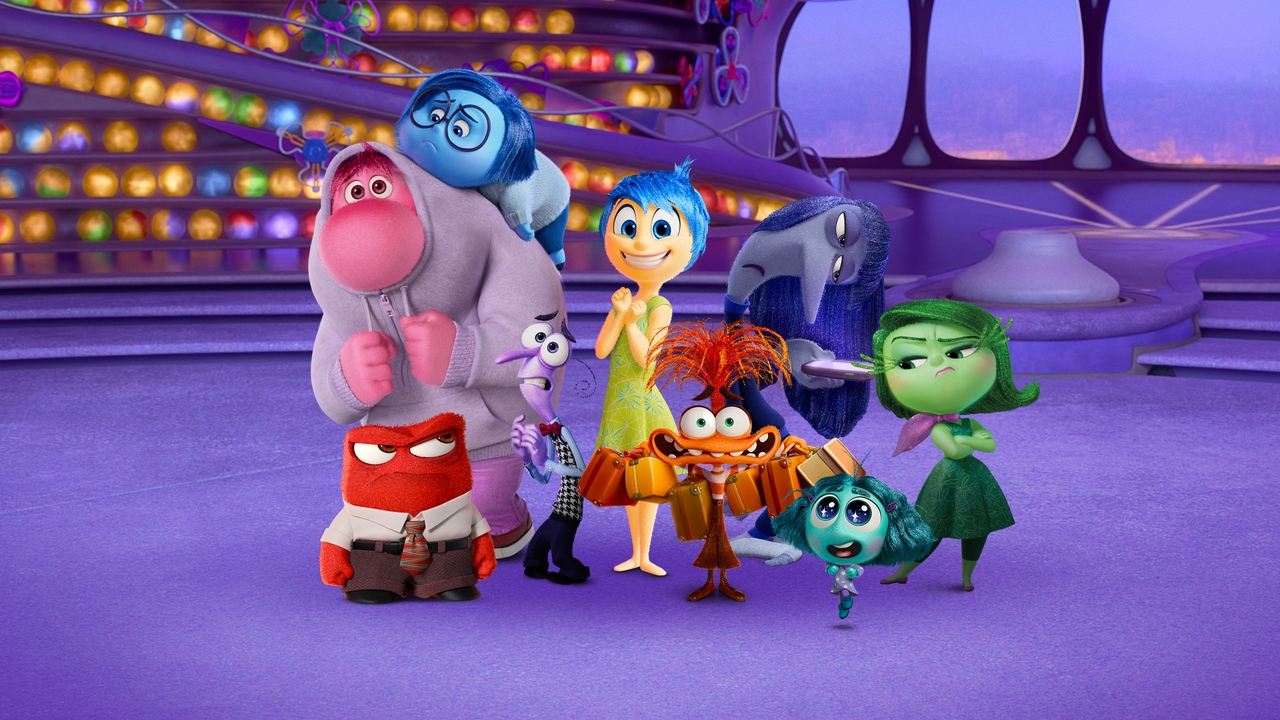
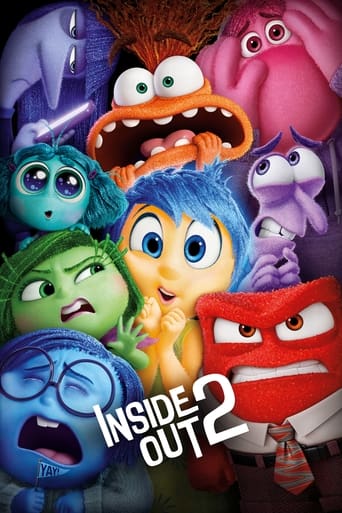
- Genre: Animation, Adventure, Comedy, Family
- Director: Kelsey Mann
- Year: 2024
- Runtime: 1h 37m
- Language: English (EN)
- TMDB Rating: ⭐ 7.5/10
Movie Overview
Inside Out 2 picks up with Riley, now a teenager, navigating the tumultuous world of adolescence. Her emotions, Joy, Sadness, Anger, Fear, and Disgust, face a shake-up when new emotions enter headquarters—most notably, Anxiety. The film opens with a chaotic scene as Joy tries to reassure Riley during a stressful school presentation but can’t fully understand her new complexities. As Anxiety settles in, the tension rises, portraying the struggle of embracing unfamiliar feelings. What struck me was how the film balances humor and the serious undertones of growing up.
As Joy tries to maintain control, the dynamic shifts significantly. The new emotions aren't just side characters; they challenge the old ways of thinking. The conflict deepens when Anxiety's presence causes friction between the established emotions and forces them to confront their limitations. I kept waiting for a big showdown between Joy and Anxiety, but instead, the film takes a more nuanced route, focusing on collaboration rather than competition.
Riley’s journey unfolds as a metaphor for the emotional turbulence of teenage years. Each emotion, particularly Anxiety, resonates with viewers who have felt overwhelmed at some point. The emotional arc becomes clearer as we see Riley grapple with friendships and family expectations, leading to poignant moments that reflect the struggles of adolescent identity.
The film culminates in moments that feel earned and relatable. I wasn’t expecting Riley's emotional conflicts to resonate so deeply, particularly in a scene involving her relationship with her parents. The climax is both surprising and satisfying, illustrating how emotions can coexist without the need for hierarchy. This is not just a story about growing up; it’s about understanding and accepting the messiness that comes with it.
Direction & Cinematography
Kelsey Mann's direction in Inside Out 2 cleverly builds on the first film's visual charm while introducing a more chaotic feel to reflect Riley's teenage years. One standout shot shows the emotions in disarray as they scramble to adapt to Anxiety's arrival, conveying not just visual humor but the internal chaos Riley feels.
The pacing is brisk, and what I noticed was how the tone shifts with Riley's emotional state, maintaining a balance between light-hearted moments and the weight of adolescent pressures. But there are pacing issues in the middle stretch, where the film meanders in exploring the new emotions instead of pushing the narrative forward. Still, it feels like a deliberate choice to allow viewers to sit with Riley’s emotional turmoil.
Mann effectively uses color and sound to enhance emotional cues. The way Anxiety's scenes are colored with darker hues contrasts against Joy’s vibrant palette. This contrast enhances the viewer's understanding of the emotional spectrum, making the stakes feel real. And I found myself more engaged as each character's unique perspective came alive visually, grounding the animated chaos in relatable experiences.
Cast & Performances
Amy Poehler returns as Joy, delivering a performance filled with the character's trademark enthusiasm yet allowing her to express vulnerability as she grapples with the complexities of her new role. In a particularly touching moment, her reaction when Riley's joy falters is genuinely moving, revealing layers beneath her bubbly exterior.
Maya Hawke shines as Anxiety, bringing a relatable nervous energy that contrasts beautifully with Poehler’s exuberance. Her line delivery in the scene where she explains her fears about high school bonds the audience to her, even if her anxiety sometimes feels overplayed. I’ll admit I didn’t expect her character to resonate as much, but Hawke’s sincerity makes it work.
Kensington Tallman and Liza Lapira, voicing Anger and Disgust, respectively, provide solid comedic support. Their interactions during the emotional headquarter meetings, particularly when Anger tries to create a ruckus to regain control, are both funny and insightful. However, it bothered me slightly that Disgust seemed underused, particularly in more serious moments where her perspective could have added depth.
Character Psychology
Riley wants to feel happy and in control, which is what drives the story initially. Yet, beneath the surface, she actually needs to embrace the new spectrum of her emotions, including anxiety. This realization, however, doesn't fully come until the climax, suggesting that she may not be entirely self-aware of her emotional needs.
The turning point arrives when she begins to acknowledge Anxiety as a crucial part of her emotional landscape. While she changes significantly throughout the film, I felt that her ultimate acceptance of these emotions feels rushed and slightly under-explored, leaving some threads hanging.
Themes & Emotional Depth
At its core, Inside Out 2 examines the complexity of emotional growth during adolescence. The film cleverly illustrates that every emotion has its place and importance, especially as Riley navigates her teenage years. This theme becomes apparent when Anxiety helps Riley face a social situation, showing that fear doesn't need to be a barrier but can be a catalyst for growth.
Additionally, the film highlights the importance of communication, particularly between Riley and her parents. The scene where they finally connect after a series of emotional misfires reinforces the value of openness in relationships, grounding the narrative in a universal truth. This connection is something many families struggle with, making the film relatable on deeper levels.
Memorable Scenes & Dialogue
One standout moment occurs when Riley stands at the high school threshold, surrounded by her emotions in a visual cacophony of color. The chaos of her feelings is beautifully rendered, with each emotion vying for control while the music swells. This scene works because it encapsulates the overwhelming nature of adolescence visually and sonically.
Another memorable scene is the emotional climax between Joy and Anxiety in the control room where Anxiety finally takes center stage. It's a powerful moment that shows the acceptance of all emotions and why they matter. The staging emphasizes the shared burden and relief, making it a poignant highlight that feels earned and powerful, showcasing the growth of both characters.
The Ending — Does It Deliver?
The ending of Inside Out 2 feels like a natural progression from the preceding emotional arcs. Riley's final acceptance of all her emotions, especially Anxiety, serves as an appropriate resolution to the journey. What surprised me was how the film didn’t rely on a traditional 'big epiphany' moment; instead, it shows a gradual acceptance, which felt authentic.
The final shot, with Riley smiling as she approaches new challenges, left me with a satisfying sense of hope. It's a reminder that embracing one's emotional complexity can lead to personal growth and resilience, something that resonates well after the credits roll.
What Works
The emotional depth of Inside Out 2 is its greatest strength. The visuals are not just appealing but serve a purpose in illustrating Riley's inner turmoil. The scene where Joy and Anxiety collaborate to navigate a school dance is well-crafted, blending humor and empathy. The performances, particularly Hawke’s take on Anxiety, add a layer of authenticity that resonates, making the audience reflect on their own emotional experiences.
Honest Criticism
The subplot involving Fear’s overreaction to minor problems can feel repetitive and adds little to the larger narrative. His antics, while amusing, often stall the pacing during more critical emotional moments. This could have been replaced with deeper explorations of Anxiety or even Disgust, who remains somewhat sidelined throughout the film, leaving her potential unfulfilled.
How It Compares
Inside Out 2 stands alongside films like Big Hero 6 and Zootopia, which also tackle emotional themes and personal growth. However, what makes Inside Out 2 unique is its focus on the internal struggles of adolescence through the lens of familiar characters. Unlike Big Hero 6, which leans into action, this film prioritizes emotional intelligence, though it sometimes lacks the narrative tightness of Zootopia.
Where it falls short, however, is in some character development. While Zootopia offers a more robust side character arc, Inside Out 2 feels a bit rushed in exploring the potential of its new emotions, especially Disgust, whose role could’ve been more fleshed out.
Legacy & Cultural Impact
Inside Out 2 has already sparked conversations about mental health and emotional literacy, an important topic given today's youth challenges. Its predecessor won an Academy Award for Best Animated Feature, and while this sequel may not garner as much critical acclaim, its insights are timely and relevant.
The film's reception points to a growing demand for animated stories that dive deeper into emotional complexities, setting a precedent for future projects in the genre. As discussions about mental health in media evolve, this film will likely contribute to that ongoing dialogue.
Behind the Scenes
Kelsey Mann, who directed this sequel, worked as a story supervisor on the original Inside Out. The voice of Anxiety, Maya Hawke, was a last-minute casting decision after several auditions, and her approach to the character was largely influenced by her own experiences as a teenager. Additionally, scenes where the emotions argue were largely improvised, showcasing the actors' chemistry and spontaneity.
Who Should Watch It?
Fans of the original Inside Out will likely enjoy this sequel, as it builds on familiar themes while introducing new characters. However, viewers looking for a straightforward narrative may find the emotional complexities a bit overwhelming. It’s a film that’s best appreciated by those willing to engage with its deeper messages about adolescence.
Final Verdict
Inside Out 2 is a worthy successor that captures the emotional chaos of teenage life. It balances humor with poignant moments, though some character arcs feel rushed. While it might not reach the heights of its predecessor, it’s still worth watching for its insights into emotional growth and acceptance. If you loved the first film, you'll find plenty to appreciate here.
More details, ratings, and cast information on IMDb, TMDB, Wikipedia. YouTube