- 1Movie Overview
- 2Direction & Cinematography
- 3Cast & Performances
- 4Character Psychology
- 5Themes & Emotional Depth
- 6Memorable Scenes & Dialogue
- 7The Ending — Does It Deliver?
- 8What Works
- 9Honest Criticism
- 10How It Compares
- 11Legacy & Cultural Impact
- 12Behind the Scenes
- 13Who Should Watch It?
- 14Final Verdict

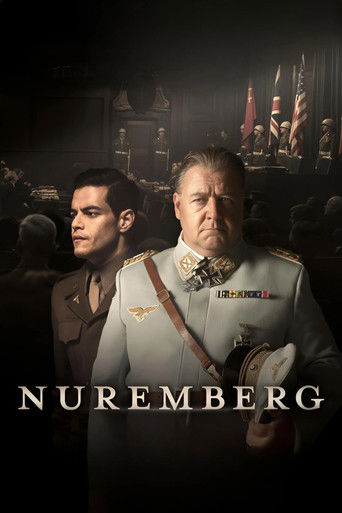
- Genre: History, Drama
- Director: James Vanderbilt
- Year: 2025
- Runtime: 2h 29m
- Language: English (EN)
- TMDB Rating: ⭐ 7.5/10
Movie Overview
In James Vanderbilt's Nuremberg, we dive into the charged atmosphere of postwar Germany, where Dr. Daniel O'Connor (Rami Malek) is tasked with evaluating the mental fitness of Nazi war criminals for trial. The tension escalates as he encounters Hermann Göring (Russell Crowe), a cunning figure determined to manipulate the proceedings to his advantage. Their intellectual sparring takes center stage, creating a gripping conflict that showcases both men’s deep-seated beliefs. O'Connor's initial reluctance shifts to a personal battle, forcing him to confront the ethics of his profession and the moral implications of his findings.
As the psychiatrist delves deeper into Göring's psyche, it becomes apparent that this isn't just a matter of mental fitness; it's a chess game of wits. Early on, O'Connor keeps waiting for a clear-cut moment of revelation from Göring, but instead, he finds himself enmeshed in layers of deception and arrogance. Their conversations often reflect broader themes of guilt, responsibility, and the quest for truth, challenging O'Connor to reconcile his own moral compass with his professional duties.
What surprised me most was how the film subverts expectations regarding courtroom dramas. Instead of overt showdowns in a courtroom, we are presented with nuanced dialogues that shift the power dynamics constantly, leaving both O'Connor and the audience questioning who truly holds the upper hand.
By the climax, O'Connor’s journey is both physical and emotional; he starts detached and clinical but gradually unravels the complexities of his own convictions. The stakes rise, and he must decide if he can trust his findings, leading to a convergence of personal and legal dilemmas that is both intense and thought-provoking.
Direction & Cinematography
James Vanderbilt takes an immersive approach in directing Nuremberg, crafting a film that is both visually arresting and intellectually engaging. One shot that stands out occurs during a tense conversation between O'Connor and Göring, where the camera lingers on Malek's subtle expressions, heightening the psychological tension and blurring the lines between calmness and inner turmoil. This choice allows viewers to feel the nuances of the characters' power struggle.
But it’s not just the close-ups; the pacing throughout is meticulously crafted. Vanderbilt balances moments of high tension with quieter scenes that allow for reflection on the narrative's moral complexities. As O'Connor grapples with his responsibility in the trials, the pacing mirrors his emotional state—sometimes frenetic, other times slow and contemplative, which kept me invested in his character arc.
What struck me during the quieter moments was how Vanderbilt does not shy away from the grim realities of the historical context. The film's tone remains serious without becoming overly bleak, allowing the audience to engage with the ethical dilemmas while still being engaged in the characters' journeys. It's a commendable balance, showcasing Vanderbilt's growth as a director.
Cast & Performances
Rami Malek delivers a complex portrayal of Dr. O'Connor, capturing his emotional fragility and moral conflict. Early in the film, there’s a moment when he reacts to a particularly chilling story from Göring that visibly shakes him. It's a physical choice that communicates O'Connor's internal struggle more than dialogue ever could. However, I'd argue that at times, Malek relies too heavily on his expressive eyes, which can feel slightly repetitive.
On the other hand, Russell Crowe shines as Göring, embodying the character's arrogance and cunning with chilling authenticity. There's a scene where he casually dismisses the gravity of the charges against him, and Crowe’s line delivery is chillingly effective — it's a masterclass in showing how a character can justify their actions. Still, I found some of his monologues a bit overdone, straying into melodrama that didn’t quite fit the film's tone.
Michael Shannon, as the supporting psychiatrist, adds depth to the interactions and grounds O’Connor in his ethical dilemmas. One reaction shot during a heated discussion perfectly conveys his frustration, showing subtle support for O’Connor's moral conflict. I kept waiting for more exploration of Shannon's character, but he remains in the background, which feels like a missed opportunity for more layers.
Character Psychology
Dr. O'Connor wants to navigate the complexities of his role as an evaluator while maintaining his ethical integrity. He often masks his fear of failing the victims of war crimes with a stoic exterior, but it's evident that he grapples with his place in a postwar society that feels morally ambiguous.
Ultimately, O'Connor realizes that he needs to embrace his humanity and grapple with the emotional weight of his findings. His journey reveals more than just the pursuit of truth — it's about acknowledging his own biases and the emotional toll that the trials inflict on everyone involved. He does change, though not as dramatically as one might hope.
Themes & Emotional Depth
Nuremberg deeply engages with the concept of guilt and the burden of responsibility. Through O'Connor, the film explores how individuals reconcile their professional roles in the face of moral dilemmas. The moment when O'Connor confronts the implications of his decisions leads to an understanding that personal ethics often clash with professional obligations.
Moreover, the film reflects on the nature of power and manipulation, particularly through Göring's character. The way he twists language and truths reveals a broader commentary on the dangers of rhetoric in shaping public perception, which remains eerily relevant today. This duality of truth versus manipulation is a core theme that resonates throughout the narrative.
Memorable Scenes & Dialogue
One significant scene unfolds when O’Connor first meets Göring. The staging emphasizes their power dynamics, with O'Connor appearing physically smaller in the frame, creating visual tension. Their dialogue is sharp, revealing Göring's arrogance while showcasing O'Connor's vulnerability. This moment works because it sets the tone for their psychological war throughout the film.
Another scene worth noting is when O'Connor finally breaks down and shares his own family history with Göring. The raw honesty of that moment contrasts with Göring's manipulative nature, highlighting the depths of O'Connor's struggle. The camera focuses tightly on Malek's face, capturing the emotional toll of his revelations — a deeply personal moment that serves to humanize his character.
The Ending — Does It Deliver?
The film's climax comes when O'Connor must present his findings regarding Göring's mental state. The tension is palpable, and I felt a genuine surprise at the ethical implications that arise from his conclusions. There's a moment where O'Connor is asked to choose between his professional responsibilities and personal beliefs, which raised the stakes dramatically.
The final shot leaves viewers with a lingering sense of unease, as O'Connor walks away from the courtroom, burdened by the weight of both his choices and the historical context. It’s a powerful image that encapsulates the film's themes of guilt and responsibility, prompting reflection long after the credits roll.
What Works
What works well in Nuremberg is the deep psychological exploration of its characters, especially through the dynamic between Malek and Crowe. The deliberate pacing allows moments of tension to breathe, particularly during their confrontational dialogues. The cinematography captures the stark contrast between the characters’ emotional states and the grim historical backdrop, notably in the early meeting scene that sets the stage for their conflict. Crowe's commanding presence and Malek's vulnerability create a compelling push and pull that immerses the viewer deeply.
Honest Criticism
However, I felt the film's pacing occasionally dragged, particularly in the second act where O'Connor's internal conflict becomes repetitive. Some scenes seemed to revisit similar ethical dilemmas without adding depth, which caused my engagement to wane slightly. Additionally, while Michael Shannon's character adds depth, his limited screentime felt like a missed opportunity to explore more of the internal struggles related to the war and its implications on personal relationships.
How It Compares
Nuremberg aligns with films like A Few Good Men and The Trial, both exploring moral dilemmas and the search for truth within the judicial system. However, while those films often emphasize courtroom showdowns, Nuremberg focuses on the psychological tension of its characters, which I found to be a refreshing approach. Still, it sometimes lacks the dramatic flair that made the other films memorable, leaning heavily into dialogue without the same intensity in action.
Another film that comes to mind is The Debt, which also deals with the complexities of guilt and moral choices related to wartime actions. Nuremberg offers a more introspective view, but sometimes it feels as if it could benefit from a tighter narrative structure, which The Debt manages to maintain.
Legacy & Cultural Impact
In terms of reception, Nuremberg garnered attention at the recent film festivals, praised for its intricate character studies and moral complexities. Critics have noted the film's ability to reignite conversations about justice in the wake of war crimes, especially as global conflicts persist. Though it's early days, a potential Oscar nomination for Best Actor isn't out of reach for Malek, given the nuanced performance he delivers. Its impact is immediately felt in the historical drama genre, prompting discussions about how we confront the past.
The film manages to resonate with contemporary audiences, highlighting the importance of remembrance and accountability in a world still grappling with echoes of totalitarianism and war.
Behind the Scenes
Rami Malek initially turned down the role due to the emotional weight of the character, but later agreed after discussions with Vanderbilt about the film's ethical implications. During filming, the production faced budget constraints, leading to the decision to shoot many scenes in existing historical sites rather than constructed sets. This choice added an authentic atmosphere, enhancing the film's realism. Additionally, some of Göring's monologues were improvised during shooting, showcasing Crowe’s ability to adapt the character in real-time.
Who Should Watch It?
This film will likely resonate with viewers who appreciate character-driven dramas centered around historical events, particularly those interested in the moral complexities of war crimes. However, if you're looking for action or traditional courtroom theatrics, you might want to skip it. Nuremberg demands patience and engagement with its rich themes and dialogues, which isn't everyone's cup of tea.
Final Verdict
I’d recommend Nuremberg for its thought-provoking exploration of ethics in the aftermath of war, bolstered by strong performances and rich character interplay. While it has pacing issues and some missed opportunities, the film ultimately succeeds in its deeper messages. Watch for its profound discussions on guilt and responsibility, especially in a time when such conversations are critically relevant.
More details, ratings, and cast information on IMDb, TMDB, Wikipedia. YouTube