- 1Movie Overview
- 2Direction & Cinematography
- 3Cast & Performances
- 4Character Psychology
- 5Themes & Emotional Depth
- 6Memorable Scenes & Dialogue
- 7The Ending — Does It Deliver?
- 8What Works
- 9Honest Criticism
- 10How It Compares
- 11Legacy & Cultural Impact
- 12Behind the Scenes
- 13Who Should Watch It?
- 14Final Verdict
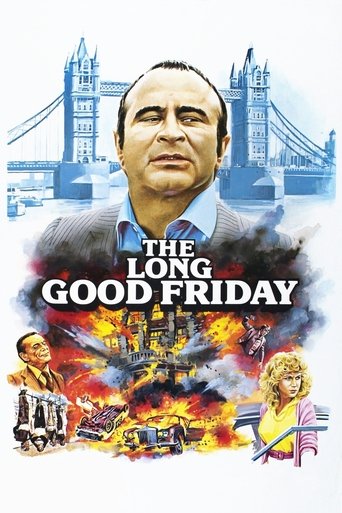
- Genre: Crime, Thriller, Drama
- Director: John Mackenzie
- Year: 1980
- Runtime: 1h 54m
- Language: English (EN)
- TMDB Rating: ⭐ 7.2/10
Movie Overview
Harold Shand, a Cockney crime boss with dreams of legitimacy, has spent years building his empire. Now he's courting American mob money to redevelop London's docks for what he envisions as the 1988 Olympics. But on Good Friday 1980, someone starts bombing his operations — pubs blown up, associates executed in broad daylight. Harold's carefully constructed world implodes in 48 hours.
What follows isn't just a whodunit, but a 'who'd dare?' investigation. Harold tears through his organization like a bloodhound, convinced there's a rat. His fury escalates with each new attack, while his posh girlfriend Victoria (Helen Mirren) watches his civility peel away like cheap veneer.
Personally, I think the film's greatest tension comes from Harold's misplaced confidence. He keeps assuring the Americans everything's under control even as his men drop like flies. There's something pathetic in how he clings to decorum — hosting a dinner party mid-manhunt, insisting this is just a temporary setback.
That final shot made the whole runtime worth it.
Direction & Cinematography
John Mackenzie shoots London like a character — those foggy docklands, the empty East End streets, the incongruous yacht where Harold holds court. You can smell the stale beer and river mud. What struck me was how little music there is; most scenes play in uneasy silence or diegetic noise (a jukebox, distant traffic).
But Mackenzie's smartest choice is framing Harold's violence as clumsy rather than cool. When he stabs an informant, it's messy work — he has to wipe his hands on curtains afterward. The famous car scene where Harold realizes he's been outplayed? No dramatic close-up, just a slow zoom on his face crumbling in real time.
On rewatch, I noticed how often Harold's framed alone in wide shots, dwarfed by his surroundings. The direction constantly undermines his self-image as a kingpin.
Cast & Performances
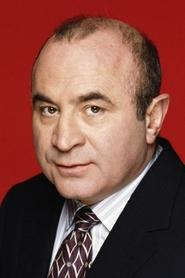
Bob Hoskins should have won every award for Harold Shand. Watch how he switches from jovial host to rabid animal — sometimes mid-sentence. That moment he licks foam off his pint after a tense meeting? Pure menace disguised as nonchalance. His final silent breakdown is acting without acting.
Helen Mirren's Victoria seems underwritten at first, but she nails the quiet horror of realizing her boyfriend's a monster. Her best moment comes when Harold slaps her: she doesn't cry, just looks at him like he's a misbehaving child. It's more devastating than tears.
Dave King as Harold's lieutenant Jeff gets one brilliant scene — his face when Harold accuses him of betrayal. You see thirty years of loyalty curdle in five seconds.
Character Psychology
Harold wants respectability above all. He thinks Olympic contracts and American partners will bleach his criminal past. But what he needs is control — over people, over London, over his own fragile ego.
He never gets it. The genius of Hoskins' performance is how Harold's authority leaks away with every setback. By the end, he's just another blip in London's endless cycle of gang warfare.
Themes & Emotional Depth
On paper, this is a gangster film. Really, it's about British class anxiety in the Thatcher era. Harold's desperation to be taken seriously mirrors England's own post-imperial identity crisis — notice how he fawns over those American investors.
The IRA subplot (no spoilers) makes it brutally clear: Harold's old-school London gangsterism is already obsolete. Newer, meaner factions don't play by his gentleman crook rules.
Memorable Scenes & Dialogue
The car scene. Harold sits smugly in the backseat, then slowly registers he's being driven to his execution. Hoskins doesn't scream or beg — his face just… empties. Mackenzie holds the shot for an agonizing length.
The dockside torture sequence. Harold interrogates a suspect while casually eating fish and chips. The way grease smears on his tie says more about his moral rot than any monologue could.
The Ending — Does It Deliver?
The ending feels inevitable once you realize Harold's been outmatched from the start. His downfall isn't heroic — it's almost pathetic, like watching a bully finally meet someone bigger.
What stayed with me after the credits was that final close-up. Harold cycles through every emotion: rage, fear, resignation. And finally, something like awe at his own irrelevance.
What Works
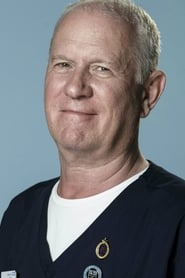
Hoskins' performance is the obvious standout, but the film's grimy aesthetic sells its realism. Those location shots in actual London pubs and derelict docks give it documentary weight. The supporting cast—especially Derek Thompson as Harold's doomed driver—fill out this world perfectly. And Mackenzie's refusal to glamorize violence makes the few brutal moments hit like a hammer.
Honest Criticism
The IRA twist feels tacked on—their motives are explained in one rushed scene. Helen Mirren deserves more screen time; her character vanishes for long stretches. Some of the American mobster dialogue rings false, like Brits writing what they think Yanks sound like.
How It Compares
Compared to Get Carter (1971), this feels less stylish but more psychologically brutal. Where Michael Caine's Carter is ice-cold, Hoskins' Harold is all sweaty desperation.
It loses points next to The Godfather for uneven pacing — that IRA subplot needed more foreshadowing. But it beats most British gangster films by refusing to romanticize its lead.
Legacy & Cultural Impact
Initially a flop (blame poor distribution), the film became a cult hit on VHS. It directly influenced Guy Ritchie's London gangster films, though none have Hoskins' tragic depth.
Hoskins won BAFTA and Evening Standard awards, launching his career. The film's now considered one of Britain's greatest crime movies, frequently appearing on 'best of' lists.
Behind the Scenes
Hoskins was a last-minute replacement for original lead Ian Holm. The entire film was shot in six weeks on a shoestring budget.
That final close-up? Hoskins improvised it after Mackenzie told him to 'think about everything that went wrong'. The crew didn't know he'd keep acting after 'cut' was called.
Who Should Watch It?
Crime film fans who prefer brains over bullets will love this. Anyone expecting Lock, Stock-style slickness should look elsewhere. It's especially rewarding for viewers who catch its subtle class commentary.
Final Verdict
The Long Good Friday earns its reputation as a British crime classic, though not without flaws. I'm giving it 8.2 for Hoskins' career-defining performance alone. That final shot alone justifies the ticket—few films capture a man's entire worldview collapsing so vividly. Just don't expect tidy resolutions or Hollywood heroics.
More details, ratings, and cast information on IMDb, TMDB, Wikipedia. YouTube