- 1Movie Overview
- 2Direction & Cinematography
- 3Cast & Performances
- 4Character Psychology
- 5Themes & Emotional Depth
- 6Memorable Scenes & Dialogue
- 7The Ending — Does It Deliver?
- 8What Works
- 9Honest Criticism
- 10How It Compares
- 11Legacy & Cultural Impact
- 12Behind the Scenes
- 13Who Should Watch It?
- 14Final Verdict
- Genre: Western, Drama
- Director: Clint Eastwood
- Year: 1985
- Runtime: 1h 55m
- Language: English (EN)
- TMDB Rating: ⭐ 7.2/10
Movie Overview
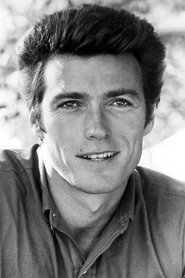
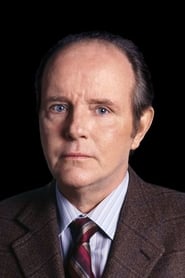
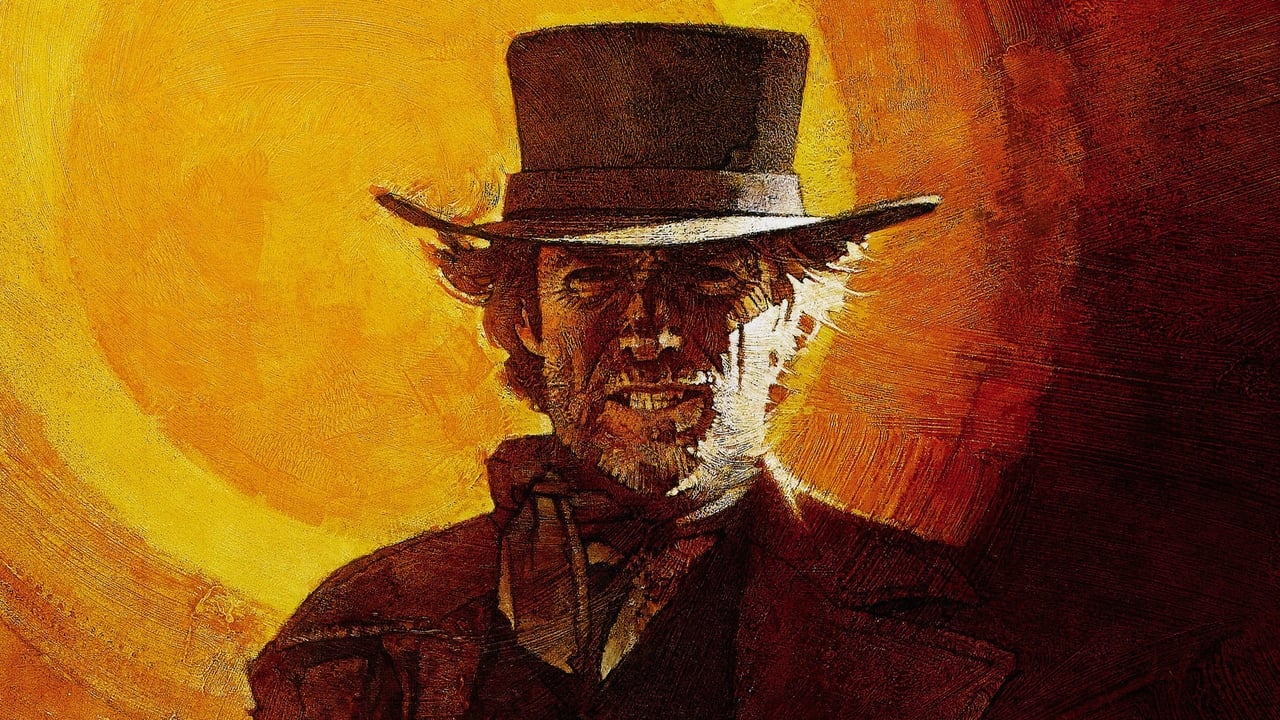
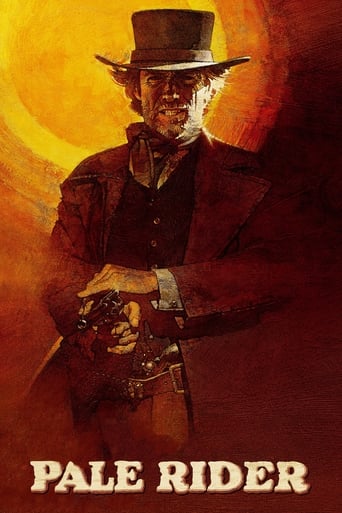
A nameless drifter rides into a gold prospecting camp, his arrival timed with a young girl's prayer for deliverance. This is Pale Rider's first hook — the Preacher (Eastwood) steps into frame like an answer to a wish, his long coat and pale horse suggesting something beyond human. The settlers, led by Hull Barret (Michael Moriarty), are being terrorized by LaHood's mining company, which uses hired guns to drive them off their claims. What starts as simple protection becomes something stranger as the Preacher's past seems to haunt him — literally.
Eastwood keeps the Preacher's backstory sparse, but the way children stare at his bullet-scarred back tells us more than dialogue could. The conflict escalates in brutal stages: poisoned water, burned homes, a rape attempt on Megan (Sydney Penny). It's the rape scene that changes everything — the moment this stops being about land and becomes about vengeance. Personally, I think the film loses some momentum once the Preacher starts cleaning his guns, signaling the inevitable showdown.
But then there's the strangeness. The Preacher quotes scripture before shooting men dead. He walks into bullets without flinching. At one point, a gunman swears he's seen him before — dead in a town called Carbon Canyon. Is he a ghost? A man? Eastwood refuses to say. What stayed with me after the credits wasn't the action, but that lingering question.
The final act delivers the expected gunfights, but with eerie precision. Every shot the Preacher fires feels predestined.
Direction & Cinematography
Eastwood directs Pale Rider with the patience of a man who knows exactly how much silence a Western can bear. The opening 10 minutes have almost no dialogue — just the creak of leather and the crunch of gravel under boots. What struck me was how he frames the Preacher: often from behind, or in shadow, making us lean in to see his face.
One shot I couldn't shake: after the Preacher guns down four men in the river, the camera holds on their bodies floating downstream, their blood curling like smoke in the water. It's biblical and brutal at once. Eastwood always had an eye for violence that lingers past the moment of impact.
But I'll admit I didn't expect the dreamlike tone in places. When the Preacher rides into LaHood's mining operation, the oversaturated yellows of the dredges make it look like hell itself. It's a far cry from the dusty realism of Unforgiven — here, Eastwood lets the myth bleed through.
Cast & Performances
Eastwood gives one of his most restrained performances. Watch how he delivers the line "It's just my manner" — flat, almost bored, while staring down six armed men. That quiet lethality works because Moriarty's Hull Barret is all nervous energy. His hands never stop moving, like he's trying to physically contain his fear.
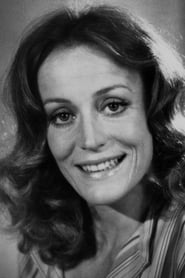
Carrie Snodgress as Sarah gets the film's rawest moment. When she tend's to the Preacher's wounds, her hands linger just a second too long — a whole unspoken history in that hesitation. Chris Penn, though, feels miscast as LaHood's spoilt son Josh. He plays petulant well, but can't sell the menace the role requires.
What surprised me most was Sydney Penny as Megan. Child actors in Westerns usually grate, but her whispered prayers and wide-eyed stares make the supernatural undertones believable. When she asks the Preacher if he's a ghost, you believe she'd know one when she saw it.
Character Psychology
The Preacher wants revenge — that much is clear from the way he fingers his gun when hearing about Carbon Canyon. But what he needs is absolution. Every man he kills seems to weigh on him, even as he dispatches them without remorse.
Hull Barret thinks he's fighting for his family's future. Really, he's proving he's not the coward his father was. His final stand isn't about gold — it's about standing up at all.
Themes & Emotional Depth
Pale Rider is about the cost of violence wearing a savior's face. The Preacher brings justice, but leaves only graves behind him. That moment when Hull realizes he'll have to lie about how many men they killed? That's the film's heart — winning the fight means losing something irreplaceable.
It's also about the myths we create to survive. The settlers need to believe the Preacher was heaven-sent because the alternative — that violence is their only recourse — is too bleak. Eastwood lets us decide if they're right.
Memorable Scenes & Dialogue
The river gunfight is a masterclass in pacing. The Preacher walks into waist-deep water knowing he's outnumbered, then methodically picks off each shooter while barely moving. The splashes as men fall become the only soundtrack.
Later, when Megan finds the Preacher bathing, the scarring on his back mirrors the stigmata. No explanation given — just a girl's gasp and Eastwood's weary expression. That's all the backstory we get, and it's enough.
LaHood's death scene still shocks. After monologuing about civilization, he's shot mid-sentence by his own terrified foreman. The abruptness feels like divine punctuation.
The Ending — Does It Deliver?
The final showdown earns its inevitability. Every gun the Preacher picks up in the last act pays off, every location used earlier returns for the bloodshed. It surprised me how little fanfare accompanies his last kill — just a single shot heard offscreen while the camera holds on Hull's stunned face.
The ending left me unsettled rather than satisfied. The Preacher rides away, yes, but Megan's final voiceover suggests this cycle will repeat. It's more haunting than heroic.
What Works
Eastwood's direction turns simple moments into folklore — watch how he frames the Preacher's first appearance behind a child's window. The gunfights feel weighted rather than showy, each shot carrying consequence. Moriarty and Snodgress ground the mystical elements in real desperation. And that river sequence might be Eastwood's most beautifully staged violence outside of Unforgiven.
Honest Criticism
Chris Penn's spoiled rich kid act never convinces as a legitimate threat. The rape subplot feels gratuitous — Megan's trauma exists mostly to motivate the men. And the middle sags once the Preacher stops being mysterious and starts being predictable.
How It Compares
Compared to High Plains Drifter (Eastwood's other ghostly Western), Pale Rider has more emotional weight but less surreal punch. The Shane parallels are obvious, but Eastwood's Preacher is far more ambiguous than Alan Ladd's clear-cut hero. Where Unforgiven dissected Western myths, this film dresses them in Sunday best and lets you wonder if they're holy or hollow.
Legacy & Cultural Impact
Pale Rider earned $41 million against a $7 million budget, proving Eastwood's star power even in a fading genre. Critics were mixed at release — Roger Ebert called it "a Western of old glories" — but its reputation grew as Eastwood's direction matured. You can see its DNA in Deadwood's Al Swearengen quoting scripture between killings.
Behind the Scenes
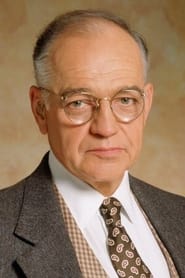
Eastwood allegedly based the Preacher's look on paintings of Death riding a pale horse from Revelations. The mine explosion scene used real dynamite — the crew had one take to get it right. Richard Dysart (LaHood) ad-libbed his character's final speech about civilization.
Who Should Watch It?
Western purists who appreciate slow-burn mythmaking will find plenty to love. Viewers needing clear answers or fast pacing should look elsewhere. If you think Clint's Man With No Name was too chatty, this is your film.
Final Verdict
Pale Rider isn't Eastwood's tightest Western, but it might be his most intriguing. The 8.2 rating reflects how its lingering questions outlast its straightforward plot. See it for that mesmerizing river shootout — and stay for the unsettling sense that no one here gets what they deserve.
More details, ratings, and cast information on IMDb, TMDB, Wikipedia. YouTube