- 1Movie Overview
- 2Direction & Cinematography
- 3Cast & Performances
- 4Character Psychology
- 5Themes & Emotional Depth
- 6Memorable Scenes & Dialogue
- 7The Ending — Does It Deliver?
- 8What Works
- 9Honest Criticism
- 10How It Compares
- 11Legacy & Cultural Impact
- 12Behind the Scenes
- 13Who Should Watch It?
- 14Final Verdict
- Genre: Drama, Western
- Director: Robert Altman
- Year: 1971
- Runtime: 2h 0m
- Language: English (EN)
- TMDB Rating: ⭐ 7.2/10
Movie Overview
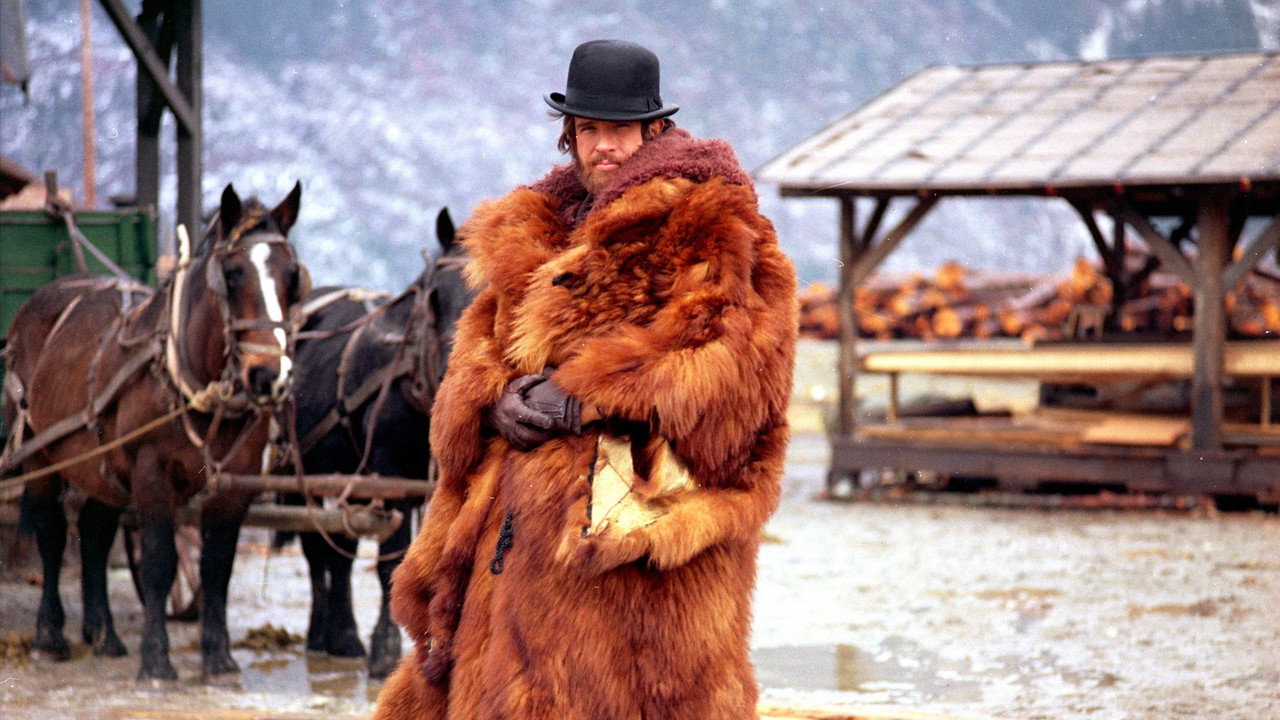
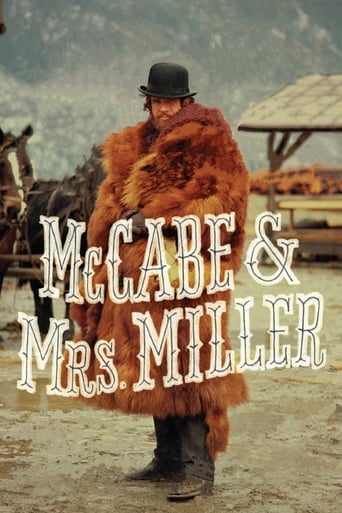
McCabe & Mrs. Miller opens with Warren Beatty’s John McCabe riding into the snowy, ramshackle town of Presbyterian Church. He’s a gambler with big dreams, but not much sense. After setting up a makeshift saloon, he teams up with Julie Christie’s Constance Miller, a sharp-witted brothel madam who sees potential in McCabe’s half-baked plans. Together, they build a thriving business — but it’s a fragile success. The town grows, and so does the envy of outsiders. When a mining corporation arrives, offering to buy McCabe out, he fumbles his response. What follows is a slow unraveling of ambition, pride, and survival in a world where the odds are never fair. The film’s final act is less about resolution and more about inevitability — the kind that leaves you staring at the credits, wondering how much anyone ever really controls their fate.
Direction & Cinematography
Robert Altman’s direction in McCabe & Mrs. Miller is both muddy and poetic. He strips the Western genre of its romanticism, replacing it with a grimy, lived-in realism that feels closer to documentary than myth. The town of Presbyterian Church isn’t a backdrop; it’s a character, constantly shifting and growing in the background. Altman’s use of overlapping dialogue creates a sense of chaos — you’re never quite sure which conversation to focus on, and that’s the point. The cinematography, shot by Vilmos Zsigmond, leans into muted tones and natural light, making the snowy landscapes feel both beautiful and oppressive. What struck me most was how Altman lingers on moments others might cut. McCabe’s awkward pauses, the way Christie’s Mrs. Miller smokes a cigarette — these small details build a world that feels alive. But the pacing might frustrate some viewers. The film moves at its own rhythm, and if you’re expecting quick turns, you’ll be waiting a while.
Cast & Performances
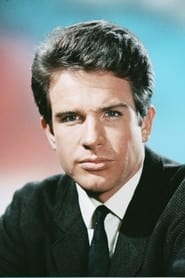
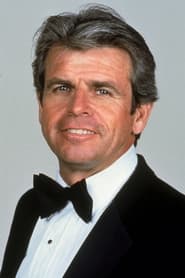
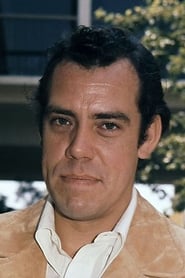
Warren Beatty’s McCabe is a fascinating mess. He’s all swagger until he’s not, and Beatty captures that fragility perfectly. There’s a scene where McCabe tries to negotiate with the corporate envoys, and his overconfident bluster collapses into nervous stammering — it’s awkward, and it’s supposed to be. Julie Christie, on the other hand, brings a quiet command to Mrs. Miller. She’s pragmatic, almost cold, but there are moments where her vulnerability peeks through — like when she quietly admits her opium addiction. René Auberjonois as the town’s preacher is a standout, though his character feels underused. His few scenes add a layer of quiet desperation to the town’s moral decay. I wasn’t expecting much from William Devane’s role, but his brief appearance as a smooth-talking negotiator adds a sharp contrast to McCabe’s bumbling.
Character Psychology
On the surface, McCabe wants money and respect — the classic frontier dream. But what he really needs is purpose, something he’s never quite found. He’s a man who talks big but falters when the stakes get real. Mrs. Miller is different. She’s practical, almost detached, but her addiction hints at deeper wounds. She’s carved out a life for herself, but at what cost? Neither character is self-aware enough to change. That’s the tragedy of the film — they’re both trapped in their own ways of surviving.
Themes & Emotional Depth
McCabe & Mrs. Miller is about the myth of the American frontier and its hollowness. The West here isn’t a place of opportunity but a trap where greed and pride lead to ruin. The mining corporation symbolizes the encroaching industrialism that crushes individual dreams. The film also explores partnership — not romance, but the uneasy alliances people form to survive. Mrs. Miller’s pragmatism and McCabe’s bluster make them a fascinating pair, but their relationship is doomed from the start.
Memorable Scenes & Dialogue
The bathhouse scene early in the film is a quiet masterpiece. McCabe and Mrs. Miller negotiate their partnership while sitting in separate tubs, surrounded by steam and the murmur of other patrons. The framing is intimate but not romantic — it’s business, pure and simple. The final shootout is another standout. Shot in slow motion across a snowy landscape, it’s less about action and more about inevitability. The way McCabe stumbles through the snow, desperately trying to survive, is haunting. And then there’s Leonard Cohen’s soundtrack — his gravelly voice adds a layer of melancholy that lingers long after the credits roll.
The Ending — Does It Deliver?
The ending feels inevitable, but it’s no less devastating for it. By the time the final act arrives, you know McCabe is out of his depth. The shootout isn’t thrilling — it’s tragic, almost pathetic. Altman lingers on McCabe’s struggle, making it clear that this isn’t a hero’s last stand. It’s just survival, and survival isn’t always glamorous. The final shot, with Mrs. Miller lost in her opium haze, feels like a quiet coda to a story that was never really about winning.
What Works
The film’s mood is its greatest strength — it’s melancholy, gritty, and utterly absorbing. Vilmos Zsigmond’s cinematography makes the snowy landscapes feel alive, and Altman’s direction keeps the story grounded in messy humanity. Beatty and Christie’s performances are perfectly matched, each bringing layers to characters who could have been one-note. The soundtrack, with Cohen’s haunting songs, adds an emotional depth that lingers long after the credits.
Honest Criticism
The pacing can feel uneven, especially in the middle act. Some viewers might find McCabe’s indecisiveness frustrating, and the film’s quiet tone won’t appeal to those looking for a more traditional Western. The preacher subplot feels underdeveloped, adding little to the overall story.
How It Compares
McCabe & Mrs. Miller feels closer to The Wild Bunch than to classic Westerns like Shane. Like Peckinpah’s film, it subverts the genre’s myths, focusing on flawed characters and messy realities. But where The Wild Bunch leans into violence, McCabe & Mrs. Miller is quieter, more introspective. It also shares DNA with Altman’s later works like Nashville — the overlapping dialogue and ensemble feel are unmistakable. Where it falls short, though, is in its pacing. Unlike Nashville, which builds to a crescendo, McCabe meanders at times, which might frustrate some viewers.
Legacy & Cultural Impact
McCabe & Mrs. Miller wasn’t a box office hit in 1971, but its critical reputation has only grown. It’s now seen as a turning point in the Western genre, paving the way for revisionist works like Unforgiven. The film’s muddy realism and anti-hero narrative influenced filmmakers like the Coen Brothers and Paul Thomas Anderson. Christie’s performance earned her an Oscar nomination, and the film’s Leonard Cohen soundtrack remains iconic. It’s a film that refuses to fade, proving that sometimes the quietest stories leave the loudest echoes.
Behind the Scenes
Leonard Cohen’s songs were added late in production after Altman realized the film needed a soundtrack. Much of the dialogue was improvised, adding to the film’s naturalistic feel. The town of Presbyterian Church was built from scratch in British Columbia, and Altman insisted on using natural light, which often meant shooting in low visibility.
Who Should Watch It?
Fans of revisionist Westerns or Altman’s ensemble-driven films will find much to love here. Those who prefer tighter pacing or more heroic narratives should steer clear.
Final Verdict
McCabe & Mrs. Miller is a moody, unconventional Western that redefines the genre. Its slow burn might not suit everyone, but its emotional weight and atmospheric direction make it worth the watch. Watch it for Beatty and Christie’s performances, Altman’s grounded storytelling, and a soundtrack that lingers. If you’re looking for a clean, uplifting Western, this isn’t it — but that’s exactly why it’s so compelling.
More details, ratings, and cast information on IMDb, TMDB, Wikipedia. YouTube