- 1Movie Overview
- 2Direction & Cinematography
- 3Cast & Performances
- 4Character Psychology
- 5Themes & Emotional Depth
- 6Memorable Scenes & Dialogue
- 7The Ending — Does It Deliver?
- 8What Works
- 9Honest Criticism
- 10How It Compares
- 11Legacy & Cultural Impact
- 12Behind the Scenes
- 13Who Should Watch It?
- 14Final Verdict

- Genre: Science Fiction, Adventure, Action
- Director: James Gunn
- Year: 2025
- Runtime: 2h 10m
- Language: English (EN)
- TMDB Rating: ⭐ 7.3/10
Movie Overview
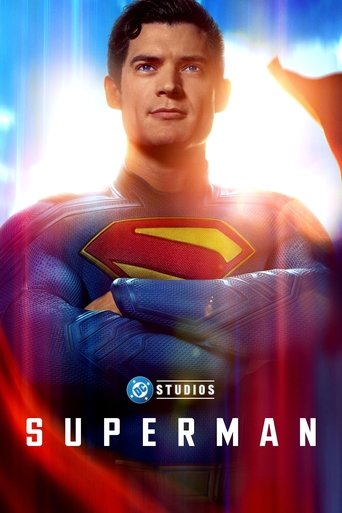
Superman (2025) kicks off with Clark Kent's dual life as a journalist and a superhero. Set in a vibrant Metropolis, the film quickly establishes the conflict as Clark, played by David Corenswet, grapples with his responsibilities as Superman while navigating human relationships. Early on, we see Clark's struggles to balance his Kryptonian powers with the expectations of a normal life, highlighted by a tense encounter with a mysterious villain.
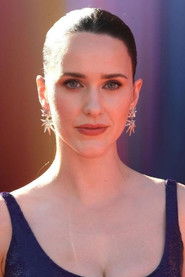
The stakes rise when a new threat emerges, compelling Clark to reflect on his alien heritage. Rachel Brosnahan's portrayal of Lois Lane finds her at the heart of this turmoil, challenging Clark to confront both his past and the future of humanity. Their chemistry is palpable, but it’s Lois who often steals the scenes with her sharp wit and probing questions.
What surprised me most was the film's emotional depth. Clark's journey isn’t just about saving Metropolis; it’s also about self-acceptance. Throughout the film, we see him struggle with feelings of isolation and the weight of his heritage, which connect him to a larger narrative about identity.
In the final act, the resolution of Clark’s internal conflict and his external battles hit the mark. The film beautifully stitches together personal stakes with larger-than-life consequences, keeping you engaged up until the very end — though I kept waiting for a bit more focus on his relationship with his adopted parents.
Direction & Cinematography
James Gunn’s signature style comes through in Superman, blending humor with heartfelt moments. One shot that stood out was a sweeping aerial view of Metropolis, where we see Clark soaring through the sky, juxtaposed with fast-paced cuts to Lois in danger. This dynamic staging heightens the tension effectively.
What struck me throughout the film was Gunn's pacing. It’s brisk but allows enough breathing room for character development. In one scene, a quiet dinner between Clark and Lois quickly escalates into a heartfelt confrontation about their struggles, showcasing the film's ability to pivot between action and intimacy.
But there are moments where the tone felt uneven. For instance, the comedic elements sometimes clashed with scenes of grave danger, making it difficult to fully invest in the emotional stakes. It’s a balancing act that Gunn manages well — for the most part — but there were points where it bothered me slightly that the humor felt forced during critical moments.
Cast & Performances
David Corenswet does a commendable job portraying Clark Kent, channeling both vulnerability and strength. In one scene where he saves a group of citizens, his expression reflects the sheer weight of his choices, rather than just the thrill of heroism. However, I’ll admit I didn't expect him to display such depth, particularly in quieter moments.
Rachel Brosnahan’s Lois Lane is a standout, as she effortlessly embodies a character that is both fierce and compassionate. During a critical interview scene, her voice quivers just slightly, hinting at her own fears while maintaining her fierce determination. There’s a subtlety to her performance that really shines.
Nicholas Hoult, as the antagonist, brings a menacing energy but felt underused in places. His character’s motivations are somewhat muddled, which led to moments where I kept waiting for a deeper exploration of his backstory, and it never came. It’s a missed opportunity that left me wanting more context about his character.
Character Psychology
Clark’s surface goal is to protect Metropolis and uphold justice, but what he truly needs is acceptance of his dual identity. He experiences the conflict between his Kryptonian legacy and his human upbringing, which shapes his actions throughout the film. Ultimately, he learns that vulnerability isn’t a weakness but a vital part of being human.
He doesn’t completely change; instead, he finds a balance between the two sides of his identity. It’s a struggle that many can relate to, though there are moments where his self-awareness feels lacking, particularly when he avoids conversations about his past.
Themes & Emotional Depth
At its core, Superman explores the idea of belonging and identity. Clark’s journey reflects a universal struggle of reconciling one's heritage with personal aspirations. The film captures this in a pivotal moment where Clark visits his childhood home, looking for guidance from his adoptive parents.
Additionally, there’s a strong theme of responsibility woven throughout the narrative. After a series of failures, Clark learns that being a hero is not solely about strength or power, but understanding the consequences of his actions. This theme resonates deeply, especially in our current climate of social responsibility.
Memorable Scenes & Dialogue
One memorable moment occurs when Clark saves a bus full of children from crashing — the scene is both thrilling and heartfelt. The stakes are real, and Corenswet’s portrayal of raw emotion as he realizes the potential loss is powerful, showcasing the film’s blend of action and emotional weight.
Another standout scene is the confrontation between Lois and Clark at the Daily Planet about their future. The dialogue is crisp and feels genuine, with Brosnahan’s delivery particularly cutting as she challenges Clark to confront himself. This moment is a turning point in their relationship, effectively using dialogue as a tool for development.
Finally, the climactic showdown against the antagonist features a striking visual effect, with Superman caught between two collapsing buildings. The combination of CGI and real-time action makes it exhilarating, and the stakes feel very high. This scene encapsulates the film's dual focus on action and character.
The Ending — Does It Deliver?
The ending feels both earned and surprising, with Clark finally embracing who he is by saving not just Metropolis but also himself in the process. The emotional stakes rise as he confronts his greatest fears, culminating in a sequence that leaves the audience breathless.
What stayed with me after the credits rolled was how the final shot lingers on Clark looking out over the city, representing hope and resilience. It’s a visual resolution that resonates deeply, reminding us that strength often lies in vulnerability.
What Works
What works in Superman is the strong character development, particularly through Corenswet's performance. His portrayal of Clark's internal conflict is compelling, especially during quiet moments like his conversations with Lois. The action sequences are well-executed and engaging — the bus rescue scene is a highlight that showcases both tension and emotional weight. Gunn’s direction provides a fresh take, balancing humor and serious themes effectively.
Honest Criticism
What doesn’t work is the underdeveloped antagonist. Nicholas Hoult's character has a unique premise, but we barely scratch the surface of his motivations. This lack of depth makes his actions feel less impactful, especially in the climactic scenes. The subplot involving the villain feels like it stalls the overall pacing at times rather than enhancing the story, which is disappointing considering the buildup.
How It Compares
In comparison to films like Man of Steel and Batman v Superman, this version of Superman feels fresher and more character-driven. While Zack Snyder’s films focused heavily on spectacle, this one, under Gunn’s direction, prioritizes emotional depth alongside action. However, it sometimes sacrifices a cohesive narrative focus for humor, something Snyder's films generally manage to avoid.
This film also differs from Thor: Love and Thunder in its tonal approach. Where Thor leaned heavily into comedy at the expense of emotional stakes, Superman finds a better balance. Still, there are moments where the humor detracts from the overall gravitas, leaving it somewhat uneven.
Legacy & Cultural Impact
Superman (2025) has sparked conversations about the portrayal of superhero narratives in contemporary cinema, especially regarding identity and emotional nuance. Critics have noted its higher stakes compared to prior iterations, with a TMDB rating of 7.3 indicating a positive reception. Box office numbers are promising, suggesting that audiences are eager for superhero films to evolve beyond traditional tropes.
The film's influence could reshape how future superhero narratives are approached, especially in terms of character depth and relationship dynamics. It demonstrates that audiences appreciate a thoughtful exploration of their heroes as much as the action sequences.
Behind the Scenes
David Corenswet was cast after an extensive audition process, with James Gunn noting his strong connection to the character's vulnerability. Rachel Brosnahan improvised some of her lines during the pivotal interview scene, adding authenticity to the moment. Initially, the film's climax featured a different villain, but changes were made late in production to better serve the narrative.
Who Should Watch It?
Fans of character-driven superhero films will love this version of Superman, particularly those who appreciate emotional depth alongside action. However, traditional viewers who expect a straightforward action narrative may find it too introspective or slow at times.
Final Verdict
Superman (2025) is a bold reimagining that successfully blends action and emotional resonance, though it stumbles with its antagonist. The film takes chances that pay off, creating a fresh perspective on a well-known character. If you appreciate deeper storytelling in superhero films, this one is worth watching.
More details, ratings, and cast information on IMDb, TMDB, Wikipedia. YouTube