- 1Movie Overview
- 2Direction & Cinematography
- 3Cast & Performances
- 4Character Psychology
- 5Themes & Emotional Depth
- 6Memorable Scenes & Dialogue
- 7The Ending — Does It Deliver?
- 8What Works
- 9Honest Criticism
- 10How It Compares
- 11Legacy & Cultural Impact
- 12Behind the Scenes
- 13Who Should Watch It?
- 14Final Verdict
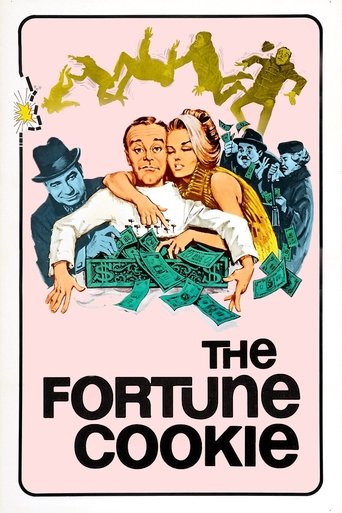
- Genre: Comedy, Drama, Crime
- Director: Billy Wilder
- Year: 1966
- Runtime: 2h 5m
- Language: English (EN)
- TMDB Rating: ⭐ 7.2/10
Movie Overview
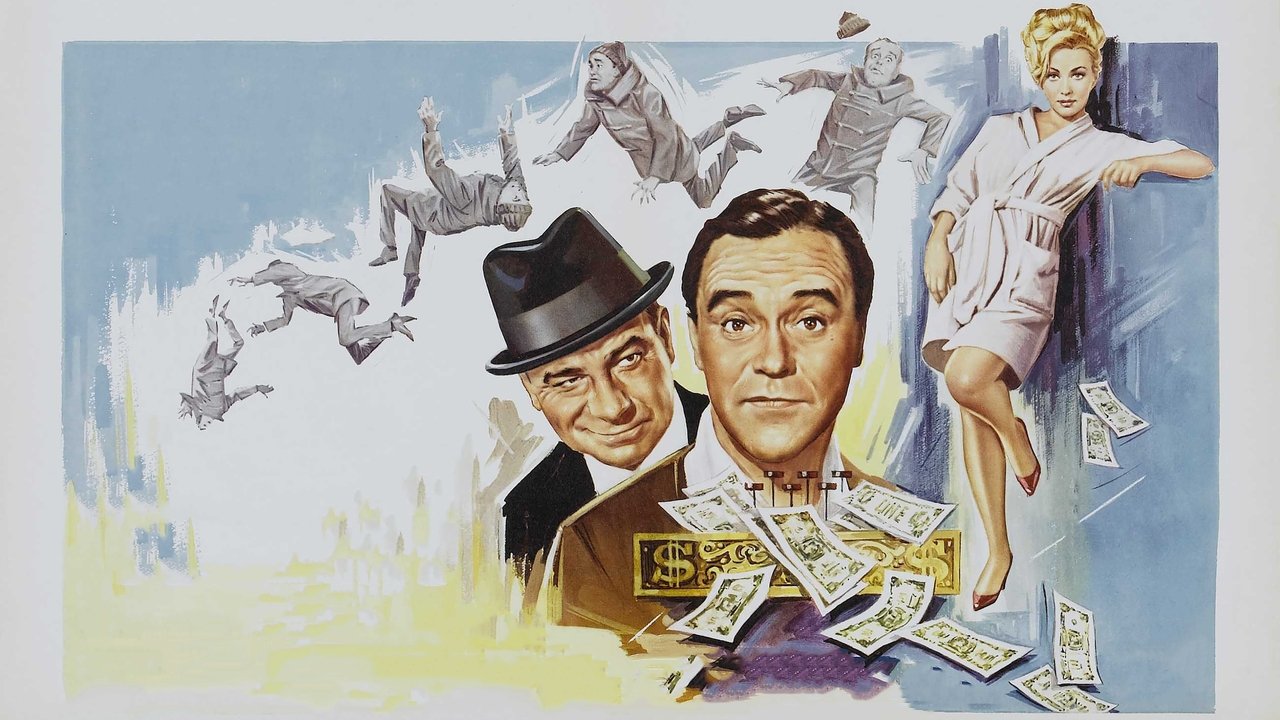
Harry Hinkle (Jack Lemmon), a TV cameraman, gets knocked down during a football game. He’s mostly fine, but his brother-in-law Willie Gingrich (Walter Matthau), a scheming lawyer, sees an opportunity. Willie convinces Harry to fake a serious injury for a massive insurance payout. Soon, Harry’s ex-wife Sandy (Judi West) reappears, smelling money. What starts as a simple scam spirals into a web of deceit and unintended consequences. The film’s setup is quick and efficient — within minutes, Harry’s accident sets the wheels in motion for Wilder’s signature blend of humor and moral complexity. The middle act drags slightly as the scams pile up, but Wilder keeps the tension alive with sharp dialogue and escalating stakes. By the third act, Harry is trapped in a mess of his own making, torn between greed and his conscience. The final moments are both satisfying and surprisingly poignant, leaving you with a lingering question: Can anyone really win in a game like this?
Direction & Cinematography
Billy Wilder’s direction here is efficient and clever, as always. He stages the football scene with chaotic energy, using handheld cameras to make Harry’s injury feel abrupt and real. What struck me most was how Wilder frames Willie’s office. The cramped space, cluttered with legal papers, feels like a cage — a visual metaphor for Harry’s growing entrapment in Willie’s schemes. The pacing stumbles a bit in the second act, where the focus shifts to Sandy’s manipulations. But Wilder’s knack for balancing comedy with darker undertones keeps the film engaging. I’ll admit I didn’t expect the ending to land as emotionally as it did — Wilder pulls off a quiet moment of redemption that feels earned.
Cast & Performances
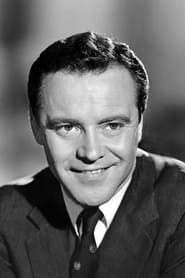
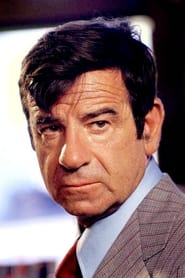
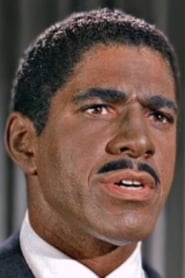
Jack Lemmon’s Harry is the heart of the film, and he nails the character’s everyman charm. His physical comedy shines — watch how he fakes a limp, subtly exaggerating it when Sandy’s around. Walter Matthau, as Willie, steals every scene he’s in. His dry delivery and shark-like grin make Willie both hilarious and infuriating. Judi West’s Sandy is less developed, though she plays the manipulative ex-wife with icy precision. Ron Rich, as the guilt-ridden football player Luther, brings a surprising depth to what could’ve been a throwaway role. His scenes with Lemmon are some of the film’s most touching.
Character Psychology
Harry wants an easy payout — or at least, that’s what he thinks he wants. What he really needs is self-respect. He’s not a bad guy, just weak-willed. Willie, on the other hand, knows exactly what he wants: money. He’s completely self-aware and unapologetic about it. The film’s real tension comes from Harry’s internal struggle. Does he stick with the scam, or does he do the right thing? By the end, Harry’s choice feels like a small but meaningful victory — not just over Willie, but over his own greed.
Themes & Emotional Depth
The Fortune Cookie is a razor-sharp critique of greed and moral compromise. Wilder uses Harry’s scam to explore how easy it is to rationalize bad decisions when money’s involved. The film’s title is a metaphor: life offers no guarantees, and chasing riches often leads to disappointment. What stays with me is Harry’s final scene with Luther. It’s a quiet moment of connection that underscores the film’s deeper message — true wealth isn’t financial, it’s personal.
Memorable Scenes & Dialogue
The football scene sets the tone perfectly — chaotic, funny, and slightly absurd. Wilder’s use of handheld cameras makes Harry’s injury feel sudden and real. Willie’s introduction is another standout. Matthau’s deadpan delivery of 'You’re a lucky man, Harry' is pure gold. The final scene, where Harry makes his choice, is simple but powerful. Lemmon’s subtle acting conveys both relief and regret.
The Ending — Does It Deliver?
The ending works because it feels earned. After two hours of escalating scams, Harry’s decision to do the right thing is both surprising and satisfying. What surprised me most was how emotional the final moments are. Wilder doesn’t go for a big, dramatic payoff — instead, he gives us a quiet moment of redemption that lingers. The last shot leaves you with a bittersweet mix of hope and regret.
What Works
Lemmon and Matthau’s chemistry is electric — their scenes together crackle with wit and tension. Wilder’s direction keeps the tone balanced, blending dark humor with moral complexity. The football scene is a masterclass in pacing and staging. Harry’s final choice feels earned, giving the film a satisfying emotional payoff.
Honest Criticism
The second act drags as the focus shifts to Sandy’s manipulations. Her character feels underdeveloped, more of a plot device than a person. The film’s satire occasionally feels heavy-handed, especially in Willie’s more overtly cynical moments. Luther’s subplot, while touching, could’ve been more fully integrated into the main story.
How It Compares
The Fortune Cookie shares DNA with Wilder’s The Apartment — both films explore morality through flawed, relatable characters. It’s not as polished as The Apartment, but it’s sharper in its critique of greed. Compared to other satires of the era, like Dr. Strangelove, it’s less absurd but equally biting. Where it falls short is in its secondary characters, who feel underdeveloped compared to Harry and Willie.
Legacy & Cultural Impact
The Fortune Cookie was a modest box office success and earned Walter Matthau an Oscar nomination for Best Supporting Actor. While not as celebrated as Wilder’s earlier works, it’s remembered for introducing Lemmon and Matthau’s iconic screen partnership. Their chemistry here paved the way for future collaborations like The Odd Couple. The film’s critique of greed remains relevant, making it a lesser-known gem in Wilder’s filmography.
Behind the Scenes
This was Walter Matthau’s first collaboration with Jack Lemmon, a partnership that would span decades. The football scene was shot at a real NFL game, adding authenticity to the chaos. Wilder originally planned a darker ending but softened it to give Harry a small redemption arc.
Who Should Watch It?
Fans of Billy Wilder’s sharp, morally complex comedies will love this. It’s also a must-watch for Lemmon and Matthau completists. Viewers who prefer fast-paced plots or lighter humor should steer clear — this is a slow burn with darker undertones.
Final Verdict
The Fortune Cookie is a smart, biting satire that showcases Wilder’s talent for blending humor with moral complexity. Lemmon and Matthau’s chemistry elevates the film, making it a standout in both their careers. The pacing stumbles in places, but the sharp writing and strong performances more than compensate. Watch it for the final scene alone — a quiet moment of redemption that lingers long after the credits roll.
More details, ratings, and cast information on IMDb, TMDB, Wikipedia. YouTube