- 1Movie Overview
- 2Direction & Cinematography
- 3Cast & Performances
- 4Character Psychology
- 5Themes & Emotional Depth
- 6Memorable Scenes & Dialogue
- 7The Ending — Does It Deliver?
- 8What Works
- 9Honest Criticism
- 10How It Compares
- 11Legacy & Cultural Impact
- 12Behind the Scenes
- 13Who Should Watch It?
- 14Final Verdict
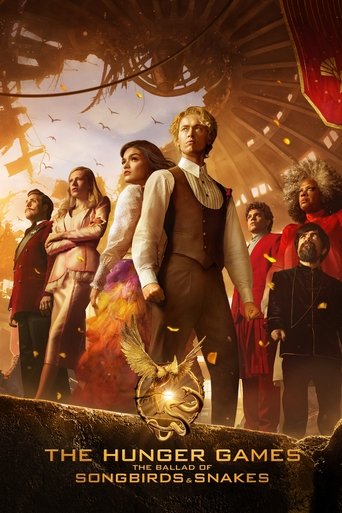
- Genre: Science Fiction, Action
- Director: Francis Lawrence
- Year: 2023
- Runtime: 2h 37m
- Language: English (EN)
- TMDB Rating: ⭐ 7.0/10
Movie Overview
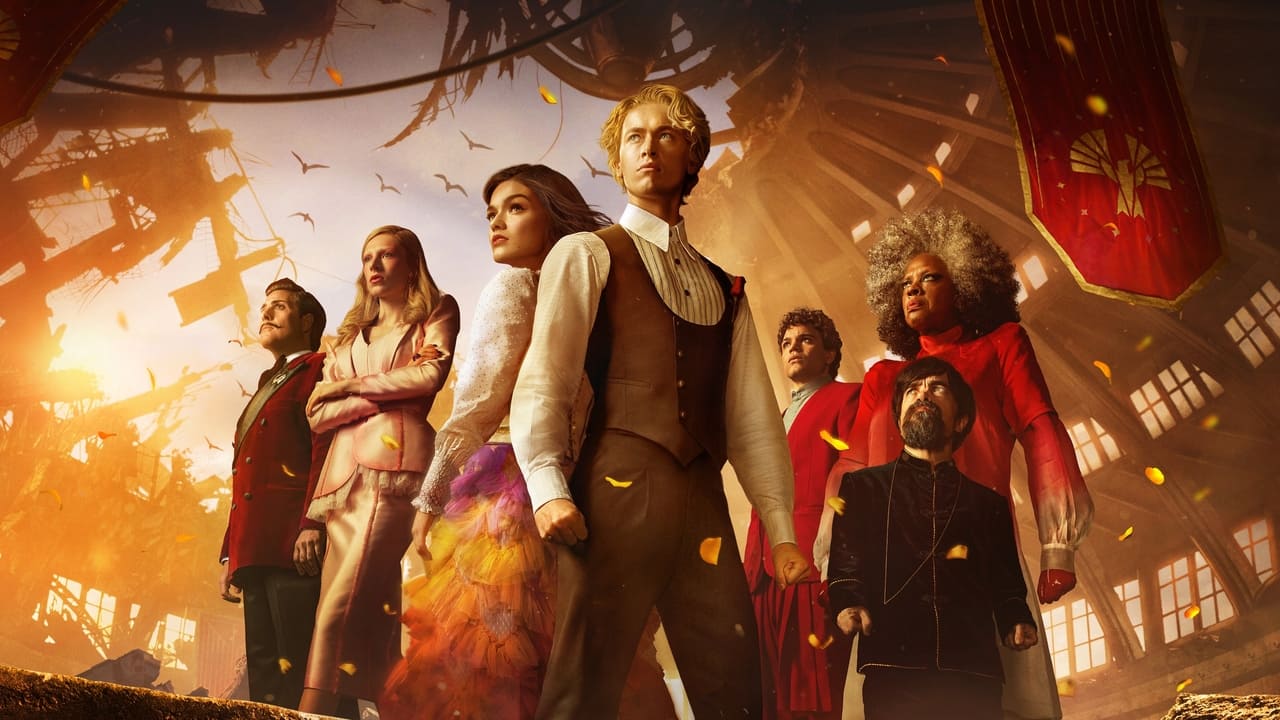
Set 64 years before the original series, 'The Hunger Games: The Ballad of Songbirds & Snakes' explores a young Coriolanus Snow, played by Tom Blyth, as he grapples with the changing landscape of Panem after the war. He’s now a privileged yet struggling teenager, tasked with mentoring Lucy Gray Baird, the District 12 tribute, portrayed by Rachel Zegler. Their growing bond is juxtaposed against an oppressive system that seems to favor cruelty over compassion. As the games unfold, it becomes clear that their fates are intertwined, sparking a fierce ambition within Snow.
Conflict arises when Lucy’s charisma begins to turn her into a crowd favorite. This unexpected success puts pressure on Snow, who must navigate his own desires while adhering to the brutal expectations of the Capitol. The emotional arc is rooted in his internal struggle: a need for power that eclipses any potential empathy he may have. The film cleverly illustrates the early seeds of the despotic leader he will become, leaving viewers to ponder the nature of ambition and morality.
Snow's character development stands out as he dances between loyalty towards Lucy and his own ambitions. I kept waiting for a moment of genuine self-reflection, but it never fully materialized; Snow is trapped in his desires, which become increasingly dangerous. Moments of tension unfold, particularly when the competition’s stakes heighten, leading to a climax filled with moral dilemmas that challenge characters on both sides.
The final act shifts to a darker, more chaotic tone, illustrating the brutal reality of success in the Hunger Games realm. As the audience, we’re left to question: can ambition coexist with humanity? The film closes on a note that sets up Snow's eventual transformation, leaving us with a sense of discomfort about the characters’ futures, especially Lucy’s.
Direction & Cinematography
Directed by Francis Lawrence, this installment takes a stylistic turn that invigorates the familiar world of Panem. One of the standout moments comes during the opening ceremony of the games, where the camera captures the lavish spectacle juxtaposed against the stark realities of poverty faced by the tributes. The slow zoom on Snow’s conflicted expression as he watches Lucy perform highlights Lawrence's knack for visual storytelling.
But the pacing is uneven at times. While the first act builds tension effectively, the middle stretches quite a bit, particularly during Snow and Lucy's quieter moments. I noticed that some scenes felt overly drawn out, which dilutes the urgency needed as the games approach. However, the direction intensifies as we approach the climax, shifting to a more frantic tone that captures the chaos of the games.
Lawrence successfully balances intricate character development with the larger themes of power and control. His focus on Snow's inner turmoil adds depth, while the film's visual style enriches the narrative. What surprised me most was how the director made the Capitol’s extravagance almost grotesque, leaving an impression that transcends simple spectacle.
Cast & Performances
Tom Blyth’s portrayal of young Coriolanus Snow effectively captures his ambition and internal conflict. His subtle choices, like the way he clenches his jaw during tense moments, reveal a character constantly battling against his own darker impulses. However, I felt his emotional range could've used more depth; there were times when his reactions felt muted, particularly during pivotal scenes when Lucy's fate hung in the balance.
Rachel Zegler shines as Lucy Gray Baird, injecting warmth and vulnerability into her character. In one memorable scene, she sings to a small audience, her voice layered with both hope and desperation. The way she sways between confident performer and scared tribute is genuinely engaging. Yet, it bothered me slightly that her character sometimes feels overshadowed by Snow’s arc, making it hard to fully grasp her motivations or growth.
Peter Dinklage plays Dean Casca Highbottom, adding a level of gravitas to the proceedings. His delivery of complex lines about the nature of the games carries weight, and his expressive eyes tell a story of their own. I found that Dinklage's character could have been explored further, particularly in connecting his past with Snow's future, but his presence anchors several critical moments.
Character Psychology
Coriolanus Snow wants to rise above his family’s tarnished reputation and secure a future filled with power. His desire for recognition is palpable, driving him to mentor Lucy as a means to an end. But what he truly needs is to confront his own moral compass, a task he repeatedly avoids.
Ultimately, Snow's journey reveals a young man who is far from self-aware. He fails to recognize the destructive nature of his ambitions until it’s too late. The film cleverly highlights how his inability to connect with others leads to his eventual isolation — and perhaps, his descent into tyranny.
Themes & Emotional Depth
The film delves into the duality of ambition — the fine line between aspiration and moral decay. Through Snow's interactions with Lucy, we see how the desire for success can overshadow humanity. The moment she risks everything to perform a song, drawing the crowd’s attention, encapsulates this theme perfectly, illustrating how the games exploit not just the tributes, but also their mentors.
Another underlying theme is the impact of environment on identity. The Capitol stands in stark contrast to the districts, and Snow's loyalty to the oppressive regime reflects how power can corrupt even the most innocent. His choices lead to a chilling realization that the very system he aids will ultimately shape him into a figure of fear and oppression.
Memorable Scenes & Dialogue
One standout scene occurs when Lucy performs 'The Hanging Tree' during the games. The way the camera captures her emotional vulnerability alongside the audience's growing admiration works due to the solid combination of Zegler's singing and the cinematography. The close-ups of her face reveal raw emotion, which is heightened by the reactions around her, making it a powerful moment of connection.
Another impactful moment takes place during the final confrontation between Snow and a fellow mentor. Their dialogue is tense and filled with underlying threats, showcasing how far Snow is willing to go for power. The staging — with the shadowy lighting that obscures their faces — amplifies the danger of their conversation and emphasizes the moral decline Snow faces.
Finally, the climactic reveal of Snow’s true intentions solidifies the film’s thematic foundation. The way it’s shot — framed against the chaos of the games — makes it a gut-punch of a moment, revealing that his ascent will come at a serious cost, not only to others but to himself.
The Ending — Does It Deliver?
As the film approaches its climax, the stakes feel genuinely high. The emotional tension built throughout culminates in a sequence that shocked me because it didn't follow the expected heroic path. I kept waiting for Snow to fully embrace a redemptive arc, and his final choices reveal a chilling self-interest that leaves a bitter aftertaste.
The last scene delivers an uneasy feeling, as Snow's fate becomes irrevocably tied to the systems of power he once idolized. It left me pondering not just his character but the choices that lead to tyranny, long after the credits rolled.
What Works
Several aspects of 'The Hunger Games: The Ballad of Songbirds & Snakes' shine through. The character of Lucy Gray Baird, played by Rachel Zegler, provides a compelling focal point, particularly during her performance of 'The Hanging Tree.' The visual storytelling, especially the staging of the games, gives the audience a clear sense of the oppressive nature of the Capitol. Additionally, Tom Blyth’s portrayal of Snow reveals a complex character whose desires are both relatable and chilling.
Honest Criticism
The film's pacing sometimes falters, particularly in the middle when the tension dips. The subplot involving the mentor dynamics feels underdeveloped at times, especially concerning Dinklage's character. I found myself wishing for more depth in his interactions with Snow, as they could have amplified the emotional stakes. Ultimately, these missed opportunities dilute the overall impact of the narrative.
How It Compares
In comparison to the original 'Hunger Games' series, this film provides a deeper exploration of character motivations, particularly in its focus on the origins of President Snow. While 'Catching Fire' masterfully built tension within the games, 'The Ballad of Songbirds & Snakes' chooses a more character-driven approach, which can be both a strength and a weakness. It wins in developing the psychological landscape of its characters but loses some of the frenetic energy that made earlier installments exhilarating.
Another comparable film is 'The Darkest Minds,' which also tackles themes of power and survival. However, 'The Ballad of Songbirds & Snakes' manages to keep a more sophisticated narrative style, while 'The Darkest Minds' suffers from cliched storytelling. On the other hand, the latter offers more consistent pacing, which some viewers may prefer over the slower build here.
Legacy & Cultural Impact
'The Hunger Games: The Ballad of Songbirds & Snakes' has already sparked discussions about the nature of power and the consequences of ambition in modern society. While it may not achieve the commercial success of its predecessors, it has a solid 7.0 rating on IMDb, reflecting a fair reception among fans. The film continues the legacy of the franchise by exploring deeper themes and offering a fresh perspective on a familiar world, prompting conversations around moral choices in times of strife.
Behind the Scenes
Tom Blyth was cast just weeks before filming began, bringing a fresh interpretation to Snow's character. The production team faced budget constraints that limited the number of CGI effects, resulting in a reliance on practical effects that enhanced the film's gritty realism. Additionally, a key scene involving a pivotal character was improvised on set, adding an unexpected layer of authenticity to their interaction.
Who Should Watch It?
Fans of the original 'Hunger Games' series will likely enjoy this deeper exploration of Snow's character, particularly those interested in the nuances of moral ambiguity. However, viewers looking for fast-paced action or a straightforward narrative may want to skip it, as the film prioritizes character development over spectacle.
Final Verdict
While 'The Hunger Games: The Ballad of Songbirds & Snakes' doesn't hit all the right notes, it offers a fresh lens into the origins of a well-known character. Its strengths lie in character development and thematic depth, making it worth a watch for fans of the franchise. If you're curious about the complexities of ambition intertwined with moral dilemmas, this film is a worthwhile experience.
More details, ratings, and cast information on IMDb, TMDB, Wikipedia. YouTube