- 1Movie Overview
- 2Direction & Cinematography
- 3Cast & Performances
- 4Character Psychology
- 5Themes & Emotional Depth
- 6Memorable Scenes & Dialogue
- 7The Ending — Does It Deliver?
- 8What Works
- 9Honest Criticism
- 10How It Compares
- 11Legacy & Cultural Impact
- 12Behind the Scenes
- 13Who Should Watch It?
- 14Final Verdict

- Genre: History, Drama
- Director: Sean Durkin
- Year: 2023
- Runtime: 2h 12m
- Language: English (EN)
- TMDB Rating: ⭐ 7.5/10
Movie Overview
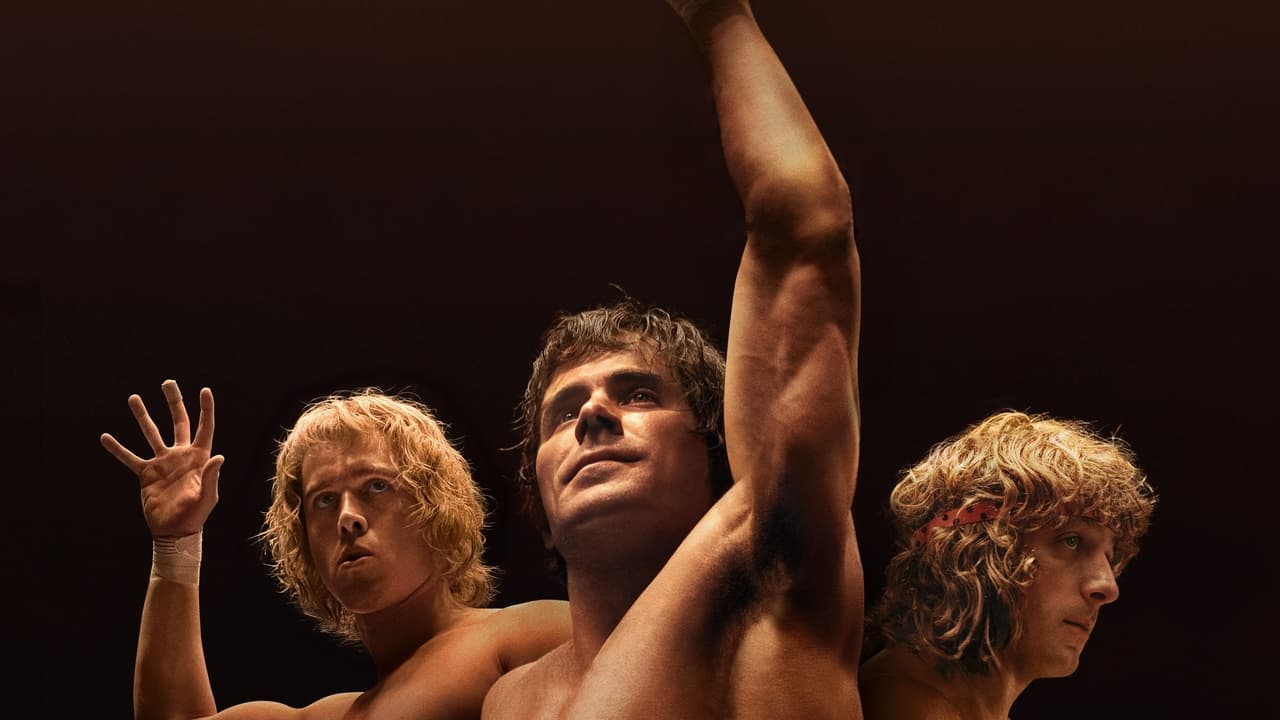
The Iron Claw dives deep into the tumultuous world of professional wrestling through the lens of the Von Erich family. Zac Efron shines as Kevin Von Erich, the eldest brother, who grapples with expectations from his domineering father, played by Holt McCallany. Early on, we witness the family's rise in fame, as the brothers become wrestling legends, but this success is shadowed by an undercurrent of tragedy that looms over their lives. The emotional conflict deepens as family secrets are revealed, especially concerning the weight of legacy and the pressure to uphold it.
As Kevin's siblings, Jeremy Allen White as David and Harris Dickinson as Kerry, bring the complexities of brotherhood to life. Their performances highlight both camaraderie and rivalry, especially when their father's harsh training methods come to light. During a gripping training montage, we see the toll that the pursuit of glory takes on their relationships. The film's pacing maintains an intense rhythm, alternating between brotherly bonding and the escalating pressures that haunt them.
What stays with me after the credits is the heartbreaking juxtaposition of their public personas versus their private struggles. The film doesn’t shy away from showing how the fame they achieve becomes a double-edged sword. There’s a sense of inevitability as the story unfolds, leading to a climax that feels both tragic and real, showcasing not just the resilience of the brothers but also the crushing weight of their family's legacy. But the emotional core of the film, exploring the notion of immortality through wrestling, leaves viewers pondering long after.
In the final act, as events spiral out of control, the narrative takes a more somber tone. It raises questions about what it truly means to be a champion, both in the ring and in life. The film weaves together the threads of triumph and tragedy effectively, creating a poignant commentary on the price of success and family ties.
Direction & Cinematography
Sean Durkin’s direction in The Iron Claw effectively captures the highs and lows of the Von Erich brothers' journey. What struck me was a particularly poignant scene where the brothers celebrate a championship win, their elation palpable, yet the shadow of their father's strict expectations looms in the background. Durkin makes clever use of color and framing to emphasize the contrast between the bright lights of the wrestling ring and the darker moments that occur within their family dynamic. This contrast creates an emotional push and pull that resonates with the viewer.
Pacing is a crucial element in this film, and Durkin balances the fast-paced action of wrestling with the quieter, more intimate scenes that delve into the brothers' relationships. I noticed that the film slows down at key moments, allowing the audience to absorb the emotional weight of the brothers' struggles. Yet, there are times when the pacing drags slightly, particularly during some exposition-heavy dialogue that feels overly stretched.
Still, the tone shifts between moments of triumph and tragedy are handled well. The wrestling scenes are intense and exhilarating, but they’re punctuated by quieter moments that reveal the cracks in the family’s facade. Durkin's ability to maintain this balance makes the film feel cohesive, even as it tackles heavy themes. It’s a reflective piece that often leaves you contemplating the nature of legacy and success, without ever feeling preachy, though I could see some viewers wanting more action than emotional depth.
Cast & Performances
Zac Efron as Kevin delivers a nuanced performance that captures the character's internal struggles. His physicality in the wrestling scenes is impressive, but what stayed with me was a fleeting moment when he looks directly into the camera, the weight of his responsibilities and grief evident in his eyes. In contrast, Jeremy Allen White's portrayal of David showcases a more carefree attitude at first, making his later emotional breakdown all the more poignant. It bothered me slightly that David's arc felt overshadowed by Kevin's, missing some opportunities for deeper exploration.
Harris Dickinson as Kerry exudes youthful charm and ambition, embodying the tension between wanting to please his father and seeking his own identity. One standout moment is during a family dinner scene, where his laughter contrasts sharply with the simmering tension in the room, showcasing the duality of their lives. This scene effectively illustrates the facade the family maintains in public, though I kept waiting for more scenes that would allow Kerry’s internal conflict to take center stage.
While the performances create a strong brotherly bond, the supporting cast, especially Holt McCallany as their father, adds another layer of complexity. His portrayal of the demanding patriarch is chilling at times, making his presence felt even when he’s off-screen. McCallany captures both affection and tyranny seamlessly, illustrating the tightrope the brothers must walk. The performances collectively draw you into their world, though I would have appreciated a little more fleshing out for some supporting characters.
Character Psychology
Kevin Von Erich seeks respect and validation through his wrestling career, struggling under the weight of his father's expectations. He's partially aware of the family pressures that shape their lives but often pushes them aside in favor of achieving glory. However, as the film progresses, it becomes clear that his true need lies in reconciling his identity as a son with his role as a champion.
What’s striking is how Kevin’s journey reflects a broader quest for acceptance and understanding. He doesn’t fully realize until it’s too late that his quest for immortality in the wrestling world comes at a steep price, particularly in terms of his relationships with his brothers and the shadow of loss that constantly follows him.
Themes & Emotional Depth
The Iron Claw examines the theme of legacy, particularly the burdens that come with it within the context of a family where success is expected. The wrestling ring becomes a metaphor for the larger battles the Von Erich brothers face off-screen, highlighting how public perceptions can be deceiving. Their desire for glory is deeply intertwined with familial loyalty, which complicates their relationships and choices.
There's also a thread of identity woven throughout the narrative. As the brothers navigate the world of wrestling, they grapple with who they are outside of their familial roles. Each brother's journey reflects not just their aspirations but also their struggles for individuality, revealing how easily those dreams can slip away in the face of overwhelming pressure to conform to a family legacy.
Memorable Scenes & Dialogue
One memorable moment occurs during the funeral scene when Kevin delivers a heartfelt speech, the raw emotion palpable as he reflects on his brothers' struggles. The muted colors of the scene enhance the somber mood, and Efron’s delivery captures the essence of his character’s grief and regret, leaving a lasting impact. This scene works because it strips away the spectacle of wrestling, focusing on the personal tragedy that haunts the family.
Another standout moment is the training montage early in the film, where we see the brothers honing their skills under their father's watchful eye. The quick cuts and intense background music create an exhilarating atmosphere, contrasting sharply with the pain that unfolds later. This sequence establishes the brothers' bond and ambition while foreshadowing the cracks that will appear under pressure. It effectively sets the tone for the film, immersing the viewer in their world right from the start.
The Ending — Does It Deliver?
The ending of The Iron Claw resonates deeply, as it feels like a culmination of everything the characters have endured. It earned its weight through the gradual build-up of tension and familial dynamics that played out throughout the film. Personally, I was surprised by how heart-wrenching the final moments felt, especially as Kevin confronts both his family's legacy and the haunting absence of his brothers.
The final shot, which lingers on Kevin’s face as he looks out at the empty wrestling arena, encapsulates the film's emotional toll. It leaves you with a profound sense of loss and introspection, urging you to reflect on the fragile nature of dreams, family, and the cost of ambition. This bittersweet conclusion is both powerful and haunting, marking the film as a memorable exploration of sacrifice and legacy.
What Works
What works well in The Iron Claw is the heartfelt portrayal of the Von Erich brothers' bond, particularly illustrated in the moments they share in the wrestling ring. Efron’s performance stands out, especially during emotionally charged scenes like the funeral speech, where his grief feels palpable. The film's pacing, especially during the training sequences, keeps viewers engaged while effectively contrasting the excitement of sports with the looming tragedy that follows them. The careful attention to detail in the wrestling choreography further grounds the film in authenticity.
Honest Criticism
One subplot that doesn’t fully land is the exploration of the brothers’ rivalry with other wrestlers, which feels somewhat underdeveloped. While it hints at external pressures, it ultimately ends up feeling like a distraction rather than a meaningful part of the narrative. This lack of depth in external conflicts somewhat detracts from the intensity of their personal struggles, and, at times, it feels like the film is juggling too many arcs, leaving some threads hanging.
How It Compares
The Iron Claw shares similarities with films like The Wrestler and Foxcatcher, as they also explore the dark side of ambition and family dynamics in sports. However, where The Iron Claw shines is in the depth of its familial relationships and the genuine bond between the brothers, which feels more authentic than the often solitary struggles depicted in those films. Yet, it occasionally falls short in character development for supporting roles, leaving some arcs feeling incomplete compared to the stronger focus on the central trio.
Legacy & Cultural Impact
Upon its release, The Iron Claw was well-received, garnering attention for its authentic portrayal of the Von Erich family saga. It sparked conversations about mental health in professional sports and the personal toll of public life. Although it didn’t dominate at the box office, its critical reception points to a strong influence on future sports dramas, emphasizing the emotional intricacies of the athlete's life. The film has since earned several nominations for acting and cinematography, signaling its impact on the genre.
Behind the Scenes
Zac Efron underwent a significant physical transformation for his role, training extensively to match Kevin Von Erich’s physique. The film faced challenges during production due to the real-life events surrounding the Von Erich family, leading to some last-minute script changes. Additionally, Harris Dickinson was cast shortly before filming began, replacing another actor who was originally set to play Kerry Von Erich.
Who Should Watch It?
Fans of biographical dramas and wrestling enthusiasts will likely enjoy The Iron Claw, particularly those interested in the emotional aspects of sports narratives. However, viewers looking for a straightforward biopic or a film with a heavy focus on wrestling action might find it lacking. It’s definitely a character-driven piece that won't cater to everyone’s tastes.
Final Verdict
The Iron Claw is worth watching for its exploration of familial bonds set against the backdrop of professional wrestling. While it has its flaws, particularly in subplot development, the emotional depth and strong performances, especially from Efron, make it a compelling story. If you're interested in a nuanced take on legacy and identity, this film should be on your watchlist.
More details, ratings, and cast information on IMDb, TMDB, Wikipedia. YouTube