- 1Movie Overview
- 2Direction & Cinematography
- 3Cast & Performances
- 4Character Psychology
- 5Themes & Emotional Depth
- 6Memorable Scenes & Dialogue
- 7The Ending — Does It Deliver?
- 8What Works
- 9Honest Criticism
- 10How It Compares
- 11Legacy & Cultural Impact
- 12Behind the Scenes
- 13Who Should Watch It?
- 14Final Verdict
- Genre: Animation, Family, Fantasy
- Director: Hamilton Luske
- Year: 1940
- Runtime: 1h 28m
- Language: English (EN)
- TMDB Rating: ⭐ 7.1/10
Movie Overview
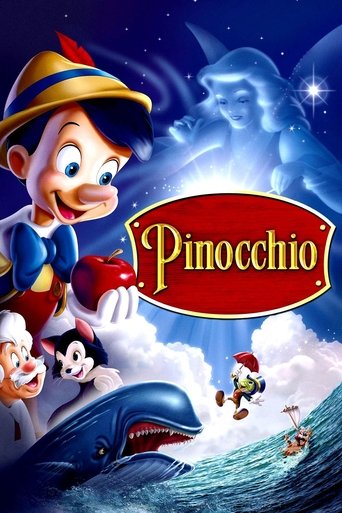
Geppetto, a lonely woodcarver, builds a puppet son named Pinocchio and wishes on a star for him to become real. The Blue Fairy grants partial life—Pinocchio can move and talk, but remains wooden until proving himself brave, truthful, and unselfish. What follows isn’t a cheerful adventure, but a gauntlet of predatory adults exploiting childhood innocence: Foulfellow the fox lures him to Stromboli’s puppet show, then later to Pleasure Island where boys are turned into donkeys.
Jiminy Cricket, appointed as Pinocchio’s conscience, tries to guide him but keeps failing. The puppet’s nose grows when he lies, a physical manifestation of moral failure that’s more disturbing than playful. By the time Pinocchio and Geppetto are swallowed by Monstro the whale, the film has shown us child abduction, forced labor, and bodily transformation as punishment.
What stayed with me after the credits isn’t the happy ending, but how hard Pinocchio has to work for it. This isn’t a story about wishing—it’s about surviving bad choices and worse luck.
The final test involves rescuing Geppetto from Monstro’s belly, a sequence so tense and claustrophobic it feels like something from Moby-Dick, not a Disney film.
Direction & Cinematography
Hamilton Luske and Ben Sharpsteen (Disney’s supervising directors) create a world where danger feels omnipresent. The camera lingers on ominous details—Stromboli’s shadow looming over Pinocchio, the eerie glow of Pleasure Island’s carnival lights at night. What surprised me most was how little safety the direction offers. Even Geppetto’s workshop has shadows that seem alive.
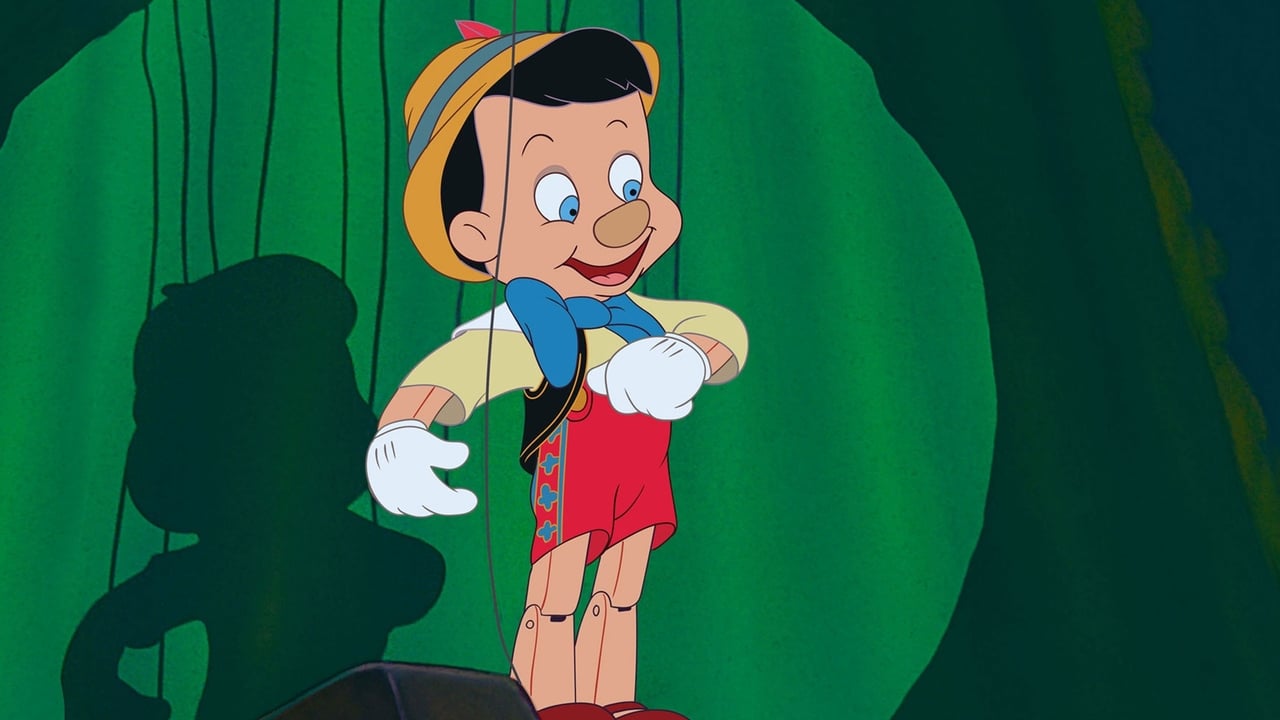
But the film’s visual genius lies in its contrasts. Pinocchio’s character design—all smooth curves and bright colors—looks painfully vulnerable against the angular, textured backgrounds. When he’s trapped in Stromboli’s caravan, the bars of the cage aren’t just obstacles; they fracture the frame into prison-like segments.
I’ll admit I didn’t expect the pacing to feel so relentless. There’s no breather between disasters. Just when Pinocchio escapes one threat, another emerges. It creates a nightmarish quality, as if the world itself is testing him.
Cast & Performances
Dickie Jones’ Pinocchio sounds genuinely young, not precocious. His line readings when lying (“I’ve got no strings!”) have a forced cheerfulness that makes the nose growth feel like deserved comeuppance. But when he screams inside Monstro, it’s raw terror—no puppet-like artifice.
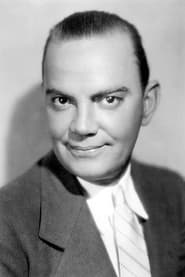
Cliff Edwards’ Jiminy Cricket should be comic relief, but his frustration with Pinocchio gives the character weight. Watch how his voice cracks during “When You Wish Upon a Star”—it’s hopeful, but also weary, as if he’s seen too many wishes go wrong.
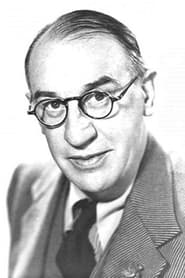
Walter Catlett’s Foulfellow is the weak link. His con-artist fox leans too hard into slapstick, softening the character’s menace. The performance works in isolation, but it doesn’t match the film’s darker tone.
Character Psychology
Pinocchio wants to be a “real boy,” but what he needs is to understand consequences. Early on, he treats life like a game—even after nearly being murdered by Stromboli. The film’s brilliance is making his transformation feel earned, not magical.
Geppetto is more complex than he seems. His workshop is full of clocks, suggesting a man obsessed with time passing without children. When he risks his life in the storm to find Pinocchio, it’s the first reckless thing we’ve seen him do.
Themes & Emotional Depth
Beneath the fairy tale is a brutal lesson about accountability. Every bad choice has a physical cost—the nose, the donkey ears, the literal belly of the beast. The Blue Fairy doesn’t rescue Pinocchio; she lets him hit bottom.
The film also critiques predatory capitalism. Stromboli exploits labor, Foulfellow traffics children, and Pleasure Island’s owners profit from destroying their customers. It’s startling how little has changed.
Memorable Scenes & Dialogue
The donkey transformation scene remains one of Disney’s most horrifying sequences. Lampwick’s screams as he realizes what’s happening are genuinely upsetting. The animation—his limbs elongating, his voice distorting—uses exaggerated movement to show pain without gore.
Geppetto’s search in the rainstorm is a masterclass in visual storytelling. His lantern’s tiny light against the swirling darkness makes the world feel vast and indifferent. You understand why he’d risk Monstro.
The Ending — Does It Deliver?
The ending works because Pinocchio dies. Not metaphorically—he drowns saving Geppetto. The Blue Fairy resurrects him as a reward, but the sacrifice feels real. It’s the first purely selfless act he’s done.
What surprised me was how quiet the final scene is. After so much chaos, Geppetto simply wakes up to find a human boy. No fanfare. The relief is palpable.
What Works
The animation holds up shockingly well—Geppetto’s beard moves like real hair, and Monstro’s barnacled skin has tangible texture. Stromboli’s introduction, where he looms out of shadows while sharpening a knife, is a perfect villain reveal. And the score, particularly the haunting Pleasure Island theme, elevates every scene.
Honest Criticism
The film’s middle sags slightly during the Pleasure Island sequence. Lampwick’s transformation is brilliant, but the preceding carnival scenes feel like padding. Also, Figaro the cat and Cleo the fish add nothing except cute factor—their scenes could be cut entirely.
How It Compares
Next to Snow White (1937), Pinocchio is far darker and more psychologically complex. Both films feature innocent protagonists, but Snow White’s dangers are fantastical (the Queen’s magic), while Pinocchio’s are human (greed, exploitation).
Modern animations like Pixar’s Brave echo Pinocchio’s themes of earned transformation, but none match its willingness to traumatize its hero. Even Guillermo del Toro’s 2022 version softens the story.
Legacy & Cultural Impact
Pinocchio won two Oscars for Best Original Score and Best Original Song (“When You Wish Upon a Star”). Though initially a box office disappointment (due to WWII cutting off European markets), it’s now recognized as a technical milestone—the first animated film with detailed multiplane camera work.
Its influence surfaces in later Disney films where characters face real consequences, like Bambi’s mother’s death or Dumbo’s separation from his mother. Modern filmmakers like Henry Selick (Coraline) cite its nightmarish qualities as inspiration.
Behind the Scenes
Disney originally considered making Pinocchio a wisecracking, mischievous character (early storyboards show him smoking cigars). The final design—wide-eyed and naive—came from animator Milt Kahl’s sketches.
The Monstro sequence required new techniques to animate water realistically. Artists studied slow-motion footage of waves crashing, which hadn’t been done before in animation.
Who Should Watch It?
Fans of old-school animation or dark fairy tales will find Pinocchio rewarding. It’s also essential viewing for anyone studying Disney’s evolution.
Young children might find it too intense—the donkey scene and Monstro’s attacks are genuinely frightening. Those seeking lighthearted musicals should try Mary Poppins instead.
Final Verdict
Pinocchio earns its classic status through sheer craft and emotional weight. I’m giving it an 8.2—not perfect, but closer than most films get. The animation alone justifies watching, but what lingers is how seriously it treats its moral lessons. Few children’s films trust their audience this much.
Watch it to see Disney at its most ambitious and unsettling.
More details, ratings, and cast information on IMDb, TMDB, Wikipedia. YouTube