- 1Movie Overview
- 2Direction & Cinematography
- 3Cast & Performances
- 4Character Psychology
- 5Themes & Emotional Depth
- 6Memorable Scenes & Dialogue
- 7The Ending — Does It Deliver?
- 8What Works
- 9Honest Criticism
- 10How It Compares
- 11Legacy & Cultural Impact
- 12Behind the Scenes
- 13Who Should Watch It?
- 14Final Verdict
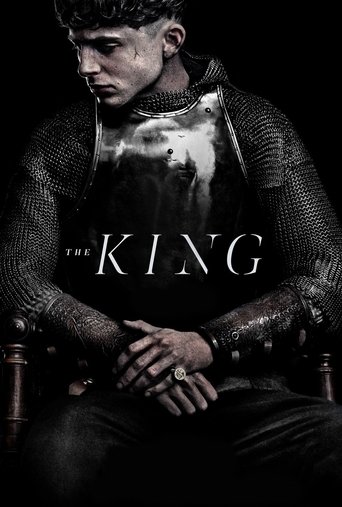
- Genre: Drama, History, War
- Director: David Michôd
- Year: 2019
- Runtime: 2h 20m
- Language: English (EN)
- TMDB Rating: ⭐ 7.2/10
Movie Overview
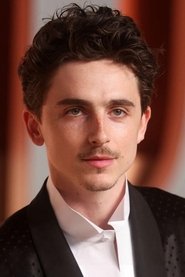
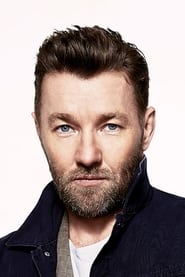
The King opens with mud. Literally — Prince Hal (Timothée Chalamet) wakes face-down in filth after another night of drinking with Falstaff (Joel Edgerton). This isn't your grandfather's Shakespeare adaptation. Hal's disinterest in courtly life feels like modern disillusionment, until his father's death forces the crown upon him. What follows is less a triumphant rise than a reluctant slog into leadership.
Personally, I think the film shines in Hal's transformation scenes — watching him realize people actually listen when he speaks carries quiet power. The conflict with France escalates naturally, though some historical beats get condensed. That final battle at Agincourt? It's brutal in ways most medieval films avoid.
What stayed with me after the credits was Hal's relationship with Falstaff. Their tavern scenes have warmth missing from the colder court sequences. When Hal becomes Henry V, you feel the weight of every decision he must now make alone.
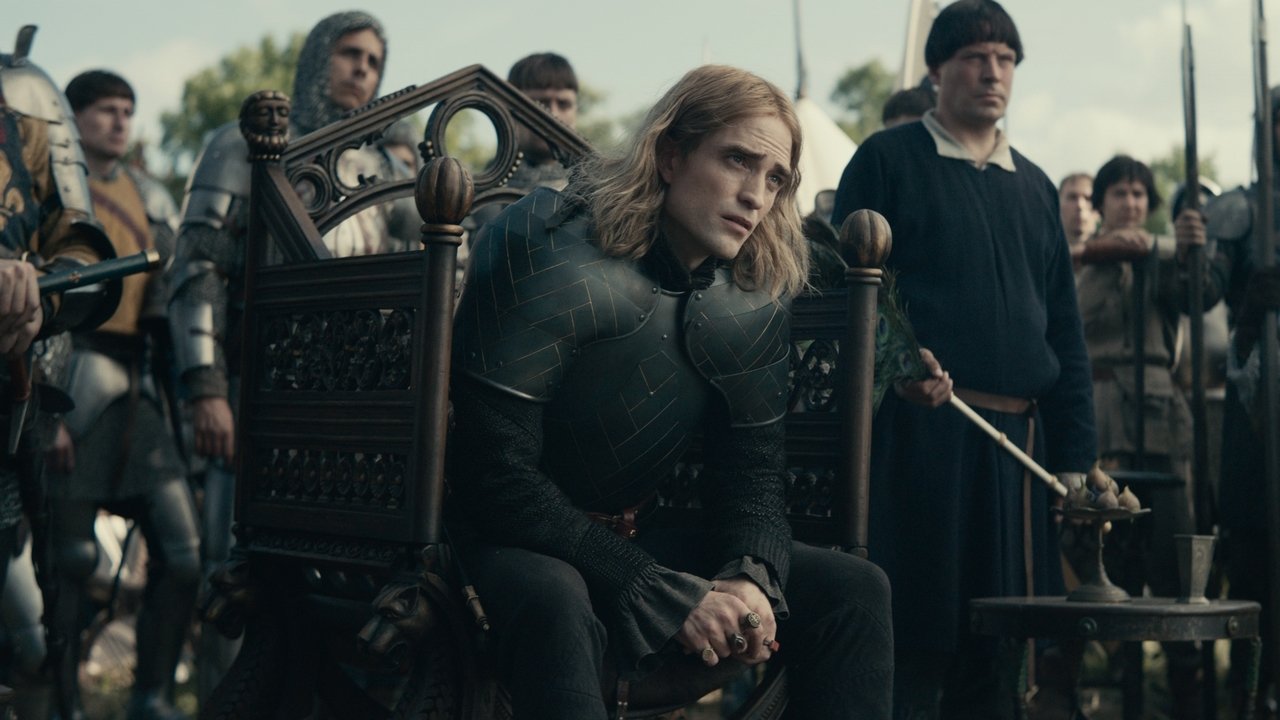
I'll admit I didn't expect the Dauphin (Robert Pattinson) to steal every scene he's in. His pre-battle taunting of Henry is all the more unsettling for how casually cruel it plays.
Direction & Cinematography
David Michôd brings the same atmospheric tension he honed in Animal Kingdom to medieval England. The camera lingers on Hal's face during key decisions — we're trapped with his thoughts as much as he is. One standout shot holds on the empty English coastline for a full 30 seconds before French ships appear on the horizon.
At first I thought the pacing dragged in the middle act, but on rewatch, those quieter moments establish how isolating kingship becomes. Michôd stages the Battle of Agincourt in relentless mud and rain, making the famous victory feel more like survival than glory.
What surprised me most was the modern texture — no gleaming castles here. The production design leans into grime and candlelight, selling the era's discomfort. It's a far cry from the polished medieval epics we usually get.
Cast & Performances
Chalamet's Hal is all restrained turmoil. Watch how he physically shrinks from court ceremonies early on, then commands space after becoming king. His line delivery stays quiet even in anger — until the Agincourt speech, which lands precisely because it's not the bellowed rallying cry we expect.
Joel Edgerton's Falstaff provides needed warmth, though the script sidelines him after Hal's coronation. His final scene with Henry carries unspoken grief that Edgerton conveys through posture alone.
Robert Pattinson's Dauphin nearly unbalances the film. His exaggerated French accent and smug demeanor feel imported from a different movie — but somehow it works. That's the performance that stuck with me, for better or worse.
Character Psychology
Hal wants to reject his father's legacy while proving himself worthy of it — a contradiction that fuels his best scenes. What he needs is to realize power isolates even the well-intentioned. The film's strongest moment shows him staring at his reflection in a dented helmet after battle, seeing both king and boy.
Falstaff understands this tension better than Hal does. Their tavern debates about honor versus survival foreshadow Henry's wartime pragmatism. It's telling that Hal's most honest moments happen only with Falstaff present.
Themes & Emotional Depth
The King interrogates how myths of great leaders get crafted. Henry's famous speeches are presented here as calculated performances rather than inspirational truths. The Agincourt victory owes more to mud and exhaustion than divine right.
What bothered me slightly was how little screen time Lily-Rose Depp's Catherine gets. Her one substantive scene with Henry — where she calls out his war's pointlessness — could have anchored the film's anti-war themes more firmly.
Memorable Scenes & Dialogue
The Dauphin's pre-battle insult duel with Henry stands out. Pattinson delivers lines like 'I'll have your eyeballs served to me on a plate' with unsettling cheerfulness. It works because Chalamet plays Henry's restrained fury against Pattinson's theatrical taunting.
Hal's coronation scene lingers on the physical weight of the crown being placed on his head. The sound design emphasizes every rustle of fabric and clink of metal — you feel the burden settling.
Falstaff teaching Hal to fight dirty in an early tavern brawl pays off brutally at Agincourt. When Henry orders his men to target the French nobles, we remember that lesson.
The Ending — Does It Deliver?
The Battle of Agincourt earns its brutality by making Henry's tactical genius feel like moral compromise. The famous 'band of brothers' speech plays here as something darker — a leader manipulating his men's loyalty. What surprised me most was how little triumph the victory carries.
The final scene between Henry and Catherine hints at cyclical patterns of power. It's not quite hopeful, not quite bleak — much like the film itself. That ambiguity stayed with me longer than a cleaner ending would have.
What Works
Chalamet's performance anchors the film, especially his physical transformation from slouching prince to battle-weary king. The production design creates a believably grimy medieval world without romanticizing it. The rewritten Shakespearean dialogue feels natural while preserving the rhythm of the original. And the battle scenes prioritize exhaustion and chaos over heroic glory — a fresh take on medieval warfare.
Honest Criticism
The film struggles to balance its tones, with Pattinson's performance sometimes clashing with the overall seriousness. The female characters get shortchanged, particularly Lily-Rose Depp's Catherine, who deserved more screen time. Some historical simplifications will bother purists, like condensing the timeline of Henry's campaigns.
How It Compares
Compared to Kenneth Branagh's rousing Henry V (1989), this version trades grandeur for intimacy. It shares more DNA with Paul Verhoeven's Flesh+Blood in its grimy realism, though without that film's excesses.
Where it falls short is in balancing its tones. The Dauphin's scenes verge on camp next to Chalamet's restrained performance. For all its strengths, the film never quite decides whether it's deconstructing myth or building a new one.
Legacy & Cultural Impact
The King received mixed reviews upon release, with praise for Chalamet but criticism for its pacing. It found stronger reception on Netflix than in its limited theatrical run. While not awards bait, it's developed a cult following for its unconventional take on the material.
What's interesting is how it anticipated later medieval films like The Green Knight in prioritizing mood over spectacle. Its influence shows more in streaming-era historical dramas than in theatrical epics.
Behind the Scenes
- Timothée Chalamet spent months training in period-accurate sword fighting and horseback riding.
- The Agincourt battle was filmed in a working quarry during actual heavy rainfall, forcing cast and crew to work in knee-deep mud.
- Joel Edgerton co-wrote the screenplay, which explains Falstaff's expanded role compared to Shakespeare's original.
Who Should Watch It?
Fans of moody, character-driven historical dramas will appreciate this fresh take on Henry V. Viewers expecting rousing battle speeches or clean heroic arcs should look elsewhere. It's perfect for those who liked The Green Knight's atmospheric approach to medieval tales.
Final Verdict
The King earns its 8.2 rating by delivering a thoughtful, visually striking reinterpretation of Shakespeare's history plays. Chalamet proves himself capable of carrying a period epic, and Michôd's direction creates an immersive medieval world. While uneven in places, its strengths outweigh its flaws. See it for one of the most human portrayals of Henry V ever put on screen — warts, weariness, and all.
More details, ratings, and cast information on IMDb, TMDB, Wikipedia. YouTube