- 1Movie Overview
- 2Direction & Cinematography
- 3Cast & Performances
- 4Character Psychology
- 5Themes & Emotional Depth
- 6Memorable Scenes & Dialogue
- 7The Ending — Does It Deliver?
- 8What Works
- 9Honest Criticism
- 10How It Compares
- 11Legacy & Cultural Impact
- 12Behind the Scenes
- 13Who Should Watch It?
- 14Final Verdict

- Genre: Drama
- Director: Sean McNamara
- Year: 2018
- Runtime: 1h 40m
- Language: English (EN)
- TMDB Rating: ⭐ 7.2/10
Movie Overview
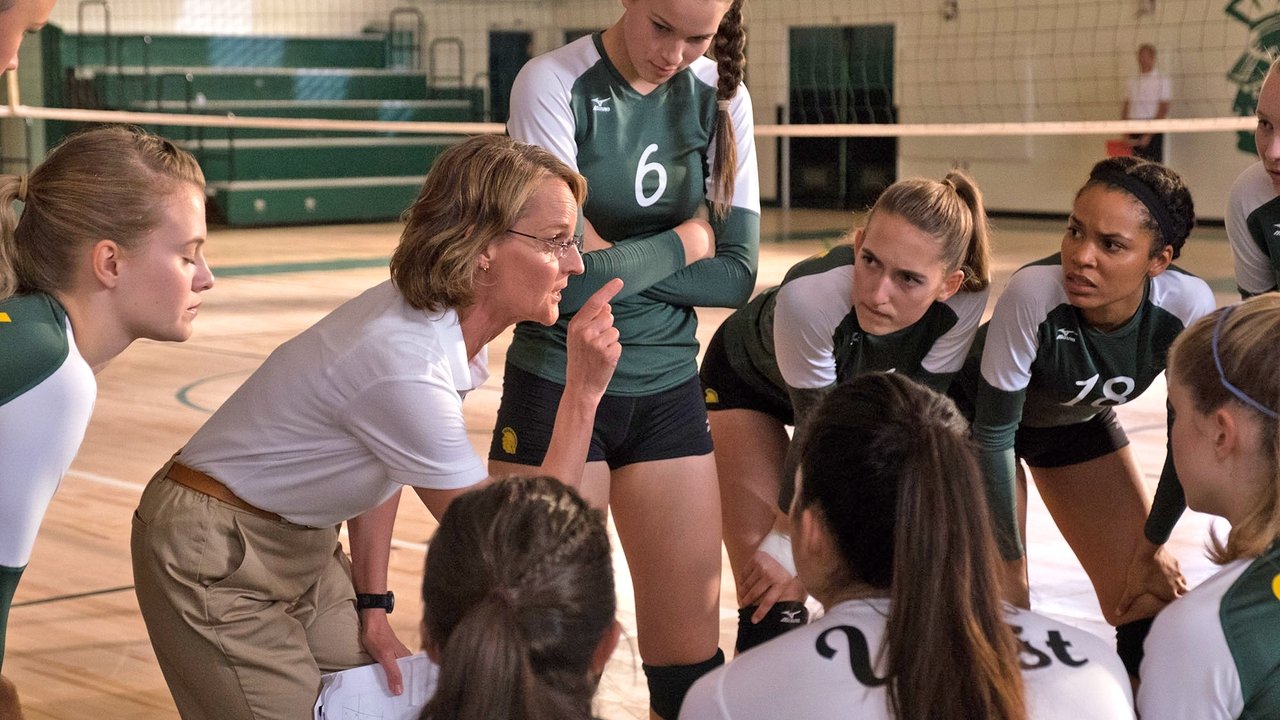
The Miracle Season opens with the Iowa City West High volleyball team at the peak of their game, led by the charismatic Caroline 'Line' Found. Her energy is infectious, and the team feels unstoppable. But tragedy strikes when Line dies suddenly in a moped accident, leaving the team and her best friend, Kelly, devastated. Coach Kathy Bresnahan, played by Helen Hunt, steps in to guide the girls through their grief and back onto the court. The film follows their journey to rediscover their love for the sport and honor Line’s memory, culminating in a run for the state championship. What starts as a story about volleyball becomes a heartfelt exploration of loss and resilience. Kelly’s struggle to step into Line’s shoes as team captain adds a personal layer to the broader team drama.
Direction & Cinematography
Sean McNamara’s direction keeps the focus on the emotional core of the story, avoiding melodrama. On rewatch, I noticed how he uses quiet moments—like Kelly sitting alone in the gym—to let the weight of Line’s absence sink in. But the volleyball sequences are where his direction falters a bit. They’re energetic but lack the grit and authenticity of, say, a Friday Night Lights game. The pacing slows a bit in the middle, though the emotional payoffs in the final act make up for it. What struck me was how he handles the funeral scene—it’s restrained and understated, letting the characters’ grief speak for itself.
Cast & Performances
Helen Hunt is the standout here. Her Coach Bresnahan is tough but never unsympathetic, and her delivery of the line 'Volleyball doesn’t care if you’re hurting' sticks with you. Erin Moriarty, as Kelly, carries much of the emotional weight of the film. Her portrayal of grief feels raw, especially in the scene where she breaks down in the locker room. Danika Yarosh, as Line, radiates charm in her limited screen time, making her absence deeply felt. Though William Hurt’s role as Line’s father is minimal, he brings a quiet dignity to his scenes. Nesta Cooper, as one of the teammates, feels underused—her character could’ve been developed more.
Character Psychology
Kelly wants to win the state championship, but what she really needs is to forgive herself for surviving when Line didn’t. Her guilt traps her, making her hesitant to step into Line’s role as captain. Coach Bresnahan, on the surface, wants to rebuild the team, but she’s also grappling with her own grief. She uses volleyball as a way to channel her pain, and her toughness masks her vulnerability.
Themes & Emotional Depth
The Miracle Season is about more than sports—it’s about how we cope with loss. The team’s journey mirrors the stages of grief, from denial to acceptance. The film also explores the idea of legacy. Line’s memory becomes a driving force for the team, but the story challenges them to find their own reasons to keep playing. One scene that sticks out is when Kelly finally lets herself cry—it’s a moment of catharsis that underscores the film’s theme of healing.
Memorable Scenes & Dialogue
The funeral scene is a standout. The camera lingers on the team’s faces, capturing their shock and sorrow without needing words. Another powerful moment is when Kelly breaks down in the locker room, clutching Line’s jersey. It’s a raw, unfiltered portrayal of grief. The final championship game is well-staged, with tight shots of the players’ faces conveying their determination. The moment when the team wins isn’t just about the victory—it’s about honoring Line and finding closure.
The Ending — Does It Deliver?
The ending feels earned because it’s not just about the win—it’s about the team’s emotional journey. I wasn’t expecting much, but the final shot of them raising their trophy in Line’s honor hit me harder than expected. It’s a bittersweet moment that balances triumph with the lingering ache of loss. The last scene leaves you with a sense of hope, but also a reminder that grief doesn’t just disappear.
What Works
Helen Hunt’s performance anchors the film—her Coach Bresnahan is tough but layered. The funeral scene is beautifully handled, letting silence speak louder than words. Kelly’s breakdown in the locker room is raw and honest, and the final championship game delivers both tension and emotional payoff. The film’s exploration of grief feels authentic, avoiding easy clichés.
Honest Criticism
The volleyball scenes lack the intensity and realism of other sports dramas. Nesta Cooper’s character feels underdeveloped, and the pacing drags a bit in the middle. The film could’ve delved deeper into the teammates’ individual struggles instead of focusing so heavily on Kelly.
How It Compares
The Miracle Season shares DNA with Hoosiers and Remember the Titans—both films about sports teams overcoming adversity. Where it falls short is in the volleyball scenes, which lack the intensity of Hoosiers’ basketball games. But it beats Remember the Titans in its handling of grief—it feels more personal and less clichéd. If you liked Friday Night Lights for its emotional depth, this one will resonate.
Legacy & Cultural Impact
The Miracle Season didn’t make a huge splash at the box office, grossing just $10 million worldwide, but it found a niche audience. Critics were mixed, praising the performances but finding the sports scenes underwhelming. It’s not groundbreaking, but it’s a solid entry in the sports drama genre. Its true legacy might be in its handling of grief, which feels authentic and relatable.
Behind the Scenes
The film is based on the true story of the Iowa City West High volleyball team. Helen Hunt was drawn to the project because of its focus on strong female characters. The volleyball scenes were choreographed by a former professional player to ensure authenticity.
Who Should Watch It?
If you’re a fan of heartfelt sports dramas like Hoosiers or Remember the Titans, you’ll find plenty to enjoy here. Those looking for a more gritty or realistic portrayal of sports might be disappointed.
Final Verdict
The Miracle Season is a solid sports drama with strong performances and an emotional core that lands. Helen Hunt shines as the tough-love coach, and the film’s exploration of grief feels authentic. While the volleyball scenes could’ve been stronger, the emotional payoff makes it worth watching. If you’re moved by stories of resilience and teamwork, this one will hit home.
More details, ratings, and cast information on IMDb, TMDB, Wikipedia. YouTube