- 1Movie Overview
- 2Direction & Cinematography
- 3Cast & Performances
- 4Character Psychology
- 5Themes & Emotional Depth
- 6Memorable Scenes & Dialogue
- 7The Ending — Does It Deliver?
- 8What Works
- 9Honest Criticism
- 10How It Compares
- 11Legacy & Cultural Impact
- 12Behind the Scenes
- 13Who Should Watch It?
- 14Final Verdict
- Genre: Drama, History, Romance
- Director: Jean-Marc Vallée
- Year: 2009
- Runtime: 1h 45m
- Language: English (EN)
- TMDB Rating: ⭐ 7.2/10
Movie Overview
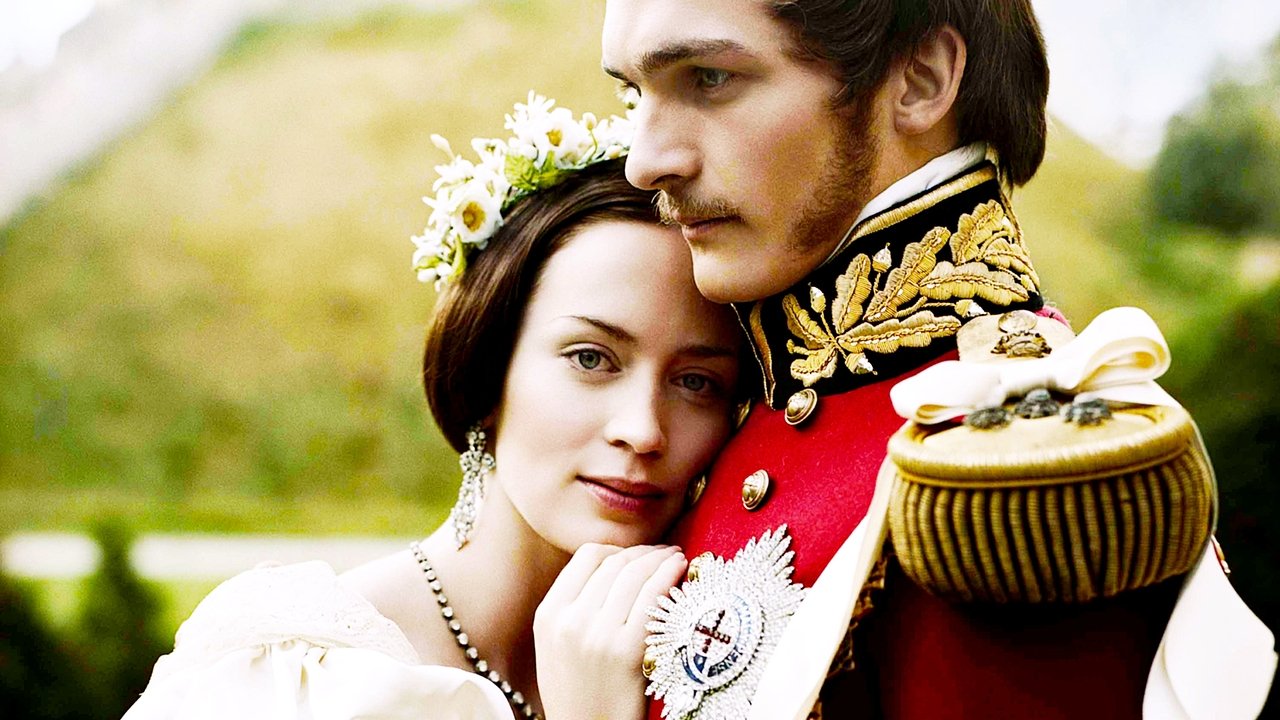
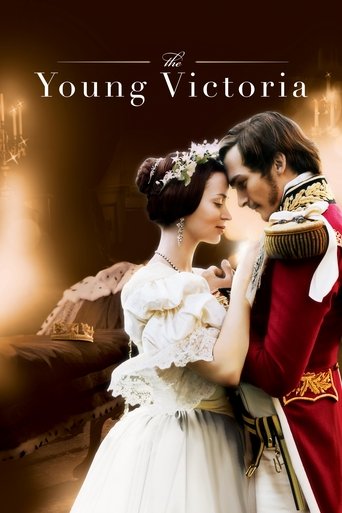
England, 1837. Eighteen-year-old Victoria (Emily Blunt) wakes up one morning to find she's queen—but with no idea how to rule. Her mother (Miranda Richardson) and advisor Sir John Conroy (Mark Strong) scheme to control her through a regency, while her uncle Leopold (Thomas Kretschmann) pushes his nephew Albert (Rupert Friend) as a strategic husband. What starts as political maneuvering becomes something far more dangerous when Victoria refuses to be anyone's pawn.
I'll admit I didn't expect the palace corridors to feel this claustrophobic. Every conversation happens under the gaze of someone—servants lingering just out of frame, courtiers pretending not to listen. When Albert first arrives, the film smartly plays his introduction as another chess move, until a quiet garden walk reveals his genuine curiosity about this young woman carrying impossible weight.
The political games could feel dry, but Vallée keeps the tension physical. There's a brilliant early scene where Victoria's bedchamber becomes a battleground—her mother and Conroy literally trying to force her hand onto a regency document while she grips the bedpost. That moment told me everything about why this teenager would rather face down an entire government than yield an inch.
By the time Victoria and Albert share their first real private moment—not a court dance, but him teaching her to play chess—you understand why their marriage would become legendary. It's not about romance. It's about finding the one person who sees the crown as duty rather than decoration.
Direction & Cinematography
Jean-Marc Vallée (Dallas Buyers Club) brings his signature intimacy to what could've been stuffy period fare. He frames Victoria in tight close-ups during key moments—like when she first addresses Parliament, her face filling the screen as she finds her voice. The camera lingers just long enough to catch the tremor in her hands before she steels herself.
What surprised me most was how little he romanticizes the palaces. These aren't gleaming fairy tale castles but working spaces—dust motes float in council chambers, ink stains dot desks. When Victoria runs through a hallway to escape yet another political ambush, the stones echo with her footsteps like a prison.
But the pacing stumbles occasionally. The middle section drags as it jumps between court intrigue and Albert's parallel story in Belgium. I kept waiting for the threads to weave together more urgently, and it finally does—but not before losing some momentum.
Cast & Performances
Emily Blunt makes Victoria palpably young without ever seeming childish. Watch how she switches between regal stillness and impulsive gestures—like when she snaps a fan shut during an argument, the sound cracking like a gunshot. Her best moment comes during a ball, where she lets slip one unguarded laugh before remembering she's being watched.
Rupert Friend's Albert is all quiet intelligence. He does something remarkable in their first meeting—he listens. While everyone else talks at Victoria, Albert actually reacts to what she says, his eyes tracking her thoughts. It's a subtle choice that makes their connection feel earned.
Miranda Richardson nearly walks off with the film as Victoria's scheming mother. There's a breakfast scene where she delivers venomous lines while delicately buttering toast—the perfect encapsulation of courtly malice. Paul Bettany's Lord Melbourne, though, feels underused. His political mentorship starts intriguingly but fades into the background too soon.
Character Psychology
Victoria wants freedom—from her mother, from her advisors, from the entire system trying to mold her into a pliable figurehead. But what she needs is far more dangerous: to learn how to wield power without becoming the kind of monster she's resisting.
Albert presents the opposite journey. He arrives knowing exactly how power works—his uncle has trained him as a political asset. His challenge is discovering whether he has the courage to be more than a pawn himself.
Themes & Emotional Depth
At its core, this is about the loneliness of authority. The famous scene where Victoria sits alone at a massive dining table—eating silently while servants stand motionless against the walls—says more about monarchy than any speech could. The film keeps returning to the idea that ruling means performing, even (especially) when no one's watching.
It's also surprisingly sharp about marriage as both political theater and private reality. The moment when Albert realizes his wife will always outrank him—played not as melodrama but quiet resignation—sticks in the memory longer than any coronation spectacle.
Memorable Scenes & Dialogue
1) The coronation scene avoids typical pomp by focusing on Victoria's face as the crown touches her head. Blunt lets us see the exact second the weight registers—not physically, but as the realization that this is forever.
2) Albert taking a bullet meant for Victoria plays shockingly raw. Vallée holds on the blood spreading across his white shirt while Victoria's scream sounds strangely distant, as if she's hearing it through water.
3) Their final chess game, where Victoria deliberately makes a losing move. Friend's tiny smile—equal parts pride and affection—tells us everything about how their marriage will work.
The Ending — Does It Deliver?
The ending surprised me by not going for grand romance. Instead, we get Victoria and Albert walking together through a palace garden—not holding hands, but moving in perfect sync. It feels earned because we've seen every negotiation, every compromise that led them here.
What stayed with me after the credits was how young they still look. The film never lets us forget these are teenagers shouldering an empire, and that final shot—their silhouettes framed by a Gothic archway—makes them seem both powerful and terribly small.
What Works
Blunt and Friend's chemistry turns what could be dry history into compelling drama. Their early scenes together—especially Albert's awkward first attempt at small talk—feel authentically clumsy. The production design avoids stuffy perfection; ink-stained desks and scuffed palace floors make the world feel lived-in. Vallée's decision to shoot key moments in close-up, like Victoria signing her first decree with visibly shaking hands, grounds the political in the personal.
Honest Criticism
The political machinations sometimes confuse more than intrigue—I needed a second viewing to fully grasp the Tory vs. Whig conflicts. Lord Melbourne's abrupt exit from the narrative leaves his character arc feeling unfinished. The score occasionally overplays emotional moments, like the overly sweet strings during Victoria and Albert's first dance.
How It Compares
Compared to Elizabeth (1998), this film trades grandeur for intimacy. Cate Blanchett's Virgin Queen is all fiery speeches; Blunt's Victoria wins battles with stubborn silence. But it lacks Elizabeth's propulsive energy—the political stakes sometimes feel theoretical rather than urgent.
Next to The Favourite (2018), Vallée's approach seems almost traditional. But where Lanthimos leans into absurdity, The Young Victoria finds its bite in emotional realism. The scene where Albert vomits from nervousness before proposing is something you'd never see in most royal dramas.
Legacy & Cultural Impact
The film earned three Oscar nominations (Costume Design, Makeup, Art Direction) and won for Costume. Blunt's performance sparked renewed interest in Victoria's early reign, with historians noting her portrayal captured the queen's well-documented stubbornness.
Financially, it performed modestly ($27M worldwide) but found a devoted audience on home video. Its influence shows in later royal biopics like Victoria & Abdul (2017), which borrowed its focus on the monarch's personal relationships over statecraft.
Behind the Scenes
- Emily Blunt was pregnant during filming, requiring clever costuming to hide her bump in later scenes. 2) The real Victoria's diaries provided key dialogue—including her actual reaction to Albert's proposal. 3) Rupert Friend learned German for the role, though most of his lines were cut for pacing.
Who Should Watch It?
History buffs who prefer character over battles will adore this. Fans of slow-burn romance will find Albert and Victoria's relationship deeply satisfying. Viewers wanting epic-scale period drama or clear-cut villains should look elsewhere—this is a film about subtle power shifts, not swordfights.
Final Verdict
The Young Victoria earns its 8.2 rating by finding fresh angles on a well-known story. Blunt's performance alone makes it worth watching, but the film's real strength is how it makes 19th-century politics feel urgently personal. That final chess game scene is why historical drama exists—to show us the people beneath the powdered wigs. See it for a royal love story that cares more about quiet understanding than sweeping gestures.
More details, ratings, and cast information on IMDb, TMDB, Wikipedia. YouTube