- 1Movie Overview
- 2Direction & Cinematography
- 3Cast & Performances
- 4Character Psychology
- 5Themes & Emotional Depth
- 6Memorable Scenes & Dialogue
- 7The Ending — Does It Deliver?
- 8What Works
- 9Honest Criticism
- 10How It Compares
- 11Legacy & Cultural Impact
- 12Behind the Scenes
- 13Who Should Watch It?
- 14Final Verdict
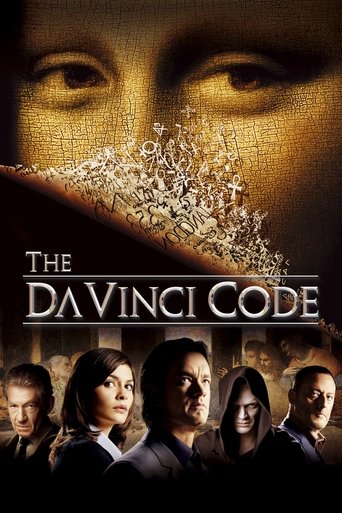
- Genre: Thriller, Mystery
- Director: Ron Howard
- Year: 2006
- Runtime: 2h 29m
- Language: English (EN)
- TMDB Rating: ⭐ 6.7/10
Movie Overview
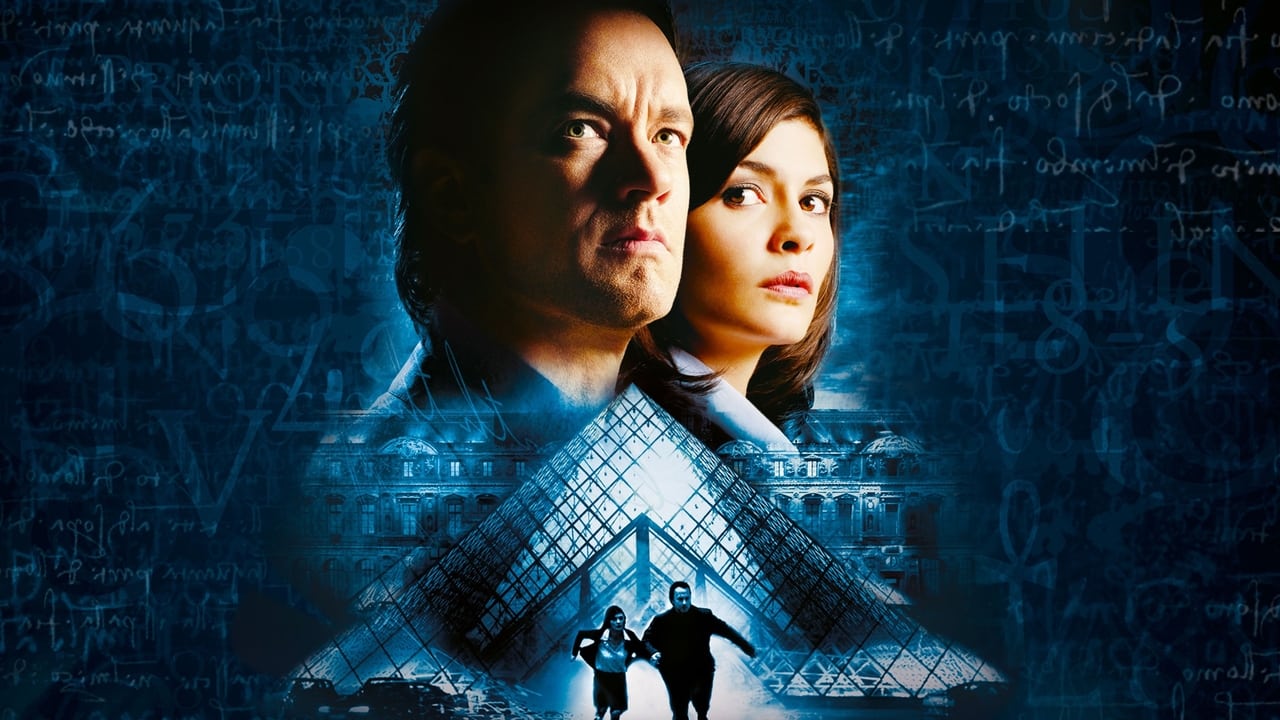
Harvard symbologist Robert Langdon (Tom Hanks) gets summoned to the Louvre after a curator is murdered — his body left in a strange pose beneath Da Vinci's Vitruvian Man. What starts as an academic puzzle quickly becomes a life-or-death chase when Langdon teams up with the victim's granddaughter Sophie (Audrey Tautou) and realizes the Vatican's hitman Silas (Paul Bettany) is hunting them.
What surprised me most was how little actual running occurs in this supposed thriller. Most of the 'action' happens in libraries, churches, and museum basements as Langdon unpacks layers of religious symbology. The real villain isn't a person but history itself — centuries of secrets encoded in paintings and architecture.
I'll admit I didn't expect Sir Ian McKellen's historian Leigh Teabing to steal the movie halfway through. His mansion hideout scene, where he dramatically explains the supposed truth about Mary Magdalene, is where the film finally ignites. That moment made the earlier sluggishness worth it.
The closer they get to the truth, the more Langdon realizes no one — not the Church, not the secret society protecting the Grail, not even Sophie — is exactly who they claim to be.
Direction & Cinematography
Ron Howard directs this like a high-budget History Channel special with occasional gunshots. There's a lot of walking-and-talking through European landmarks, shot in workmanlike medium shots that prioritize information over style. What stayed with me after the credits were the rare moments where Howard gets playful — like Silas' self-flagellation scenes lit like a Caravaggio painting.
But the pacing drags whenever the film stops for another lecture. That first act in the Louvre should crackle with tension, yet Howard keeps cutting away to flashbacks of early Christian councils that kill momentum. On rewatch, I noticed how often Tom Hanks is literally pointing at things while explaining them — a visual metaphor for the film's biggest strength and weakness.
The single best-directed sequence is Langdon's grail vision near the end, where Howard finally lets images rather than words convey the mystery. It's too bad the film doesn't trust that approach more often.
Cast & Performances
Tom Hanks plays Langdon as perpetually startled, like a professor who wandered into the wrong action movie. It works better than you'd think — his confused frowns during chase scenes underscore how absurd the situation is. Personally, I think his best moment comes when he silently realizes Sophie's family secret mid-conversation; you see him put the pieces together without a word.
Audrey Tautou struggles with the English dialogue at times, but her Sophie has a wonderful physicality, especially when handling ancient artifacts. Watch how differently she touches the cryptex compared to Langdon — her fingers know these objects in a way his don't.
Paul Bettany's Silas is all wasted potential. That albino monk haircut and self-harm ritual suggest a truly unsettling villain, but the script gives him almost no personality beyond 'fanatical'. What bothered me slightly was how McKellen's Teabing overshadows everyone whenever he's on screen; you sense the film waking up whenever he starts monologuing.
Character Psychology
Langdon wants to solve the puzzle because it's there — his academic curiosity outweighing any sense of danger. What he needs is to confront his own reluctance toward faith, symbolized by that wristwatch counting down Vatican hours.
Sophie thinks she wants answers about her grandfather. Really, she's running from the family legacy she senses but doesn't understand. That final revelation about her bloodline hits harder because Tautou plays every scene like someone bracing for bad news.
Themes & Emotional Depth
This is ultimately about who gets to control history's narrative. The Priory of Sion hides truths in art; the Vatican burns heretics; Langdon represents the modern urge to expose everything. That scene where Teabing shows Da Vinci's Last Supper as 'proof' perfectly captures how interpretation becomes weaponized.
The film's sneakiest idea is that both sides — the secret-keepers and the truth-seekers — are equally capable of violence. Silas murders for the Church; the Priory's guardians kill to protect their secret. Only Langdon and Sophie try (and fail) to find a middle ground.
Memorable Scenes & Dialogue
1) Silas' self-flagellation in the dim church: Bettany's gaunt frame, the whip's crack, and those sudden cuts to Renaissance paintings create a horror movie moment in a mostly cerebral film.
2) Teabing's Grail lecture: McKellen circling the dinner table while explaining Mary Magdalene's story turns exposition into theater. His glee at upending religious dogma is contagious.
3) The final reveal in Rosslyn Chapel: Howard holds on a single tombstone for a full 30 seconds before the camera tilts up to show Sophie's reaction. It's the one time the film trusts silence over explanation.
The Ending — Does It Deliver?
The ending pulls its punches compared to the book's bolder claims — a compromise that satisfies neither believers nor skeptics. Personally, I think Langdon's last decision about the Grail's location feels unearned after all that buildup.
What stayed with me was Sophie's quiet resignation in the final scene. After all the running and theorizing, she's left with a truth that changes everything and nothing. That bittersweet note lingers longer than any cliffhanger could.
What Works
McKellen's performance injects much-needed energy whenever the film sags. The attention to art historical detail makes even the wildest theories feel plausible. Howard's decision to shoot on location in the Louvre and Westminster Abbey adds gravitas the script sometimes lacks. That scene where Langdon deciphers the rose line marker is textbook suspense built purely through a character thinking aloud.
Honest Criticism
The romance between Langdon and Sophie feels tacked on, with zero chemistry between Hanks and Tautou. The albino monk subplot wastes Paul Bettany on a one-note villain. The film's middle section sags under endless exposition scenes that could've been trimmed. That CGI flashback to ancient Jerusalem looks laughably cheap compared to the practical location work.
How It Compares
Next to National Treasure (2004), The Da Vinci Code treats its historical conspiracies with deadly seriousness — sometimes to its detriment. Both films share a 'professor on the run' structure, but Cage's Benjamin Gates gets better action beats than Hanks' Langdon.
It's closer in tone to Angels & Demons (2009), Howard's own sequel, though the Rome-set follow-up has faster pacing. Where Inferno (2016) later went full silly with its plague plot, this first Langdon film at least pretends to care about its ideas.
Legacy & Cultural Impact
Despite mixed reviews (44% on Rotten Tomatoes), the film grossed $760 million worldwide — proving audiences craved religion-tinged thrillers. It sparked real protests from Catholic groups and endless cable TV specials about 'the real Da Vinci Code.'
Today, it's remembered more for the controversy than the film itself. Howard and Hanks' subsequent collaborations (like Greyhound) showed they learned to balance talk with tension better.
Behind the Scenes
- Tom Hanks insisted on keeping Langdon's infamous 'mullet' haircut from the book, against the studio's wishes.
- The Louvre scenes were shot after hours, with security guards ensuring no actors touched the actual art.
- Ian McKellen improvised much of Teabing's dialogue, including his rant about 'the Vatican's lies.'
Who Should Watch It?
History buffs and art lovers will enjoy spotting all the real references woven into the conspiracy. Anyone wanting a fast-paced thriller like The Bourne Identity should look elsewhere.
Final Verdict
This isn't a great film, but it's a surprisingly engaging one if you treat it as a dressed-up lecture. I'd recommend it for McKellen's performance alone — he turns theological debate into riveting drama. The historical puzzles hold up better than the thriller elements. Watch it for the theories; just don't expect much suspense.
More details, ratings, and cast information on IMDb, TMDB, Wikipedia. YouTube