- 1Movie Overview
- 2Direction & Cinematography
- 3Cast & Performances
- 4Character Psychology
- 5Themes & Emotional Depth
- 6Memorable Scenes & Dialogue
- 7The Ending — Does It Deliver?
- 8What Works
- 9Honest Criticism
- 10How It Compares
- 11Legacy & Cultural Impact
- 12Behind the Scenes
- 13Who Should Watch It?
- 14Final Verdict
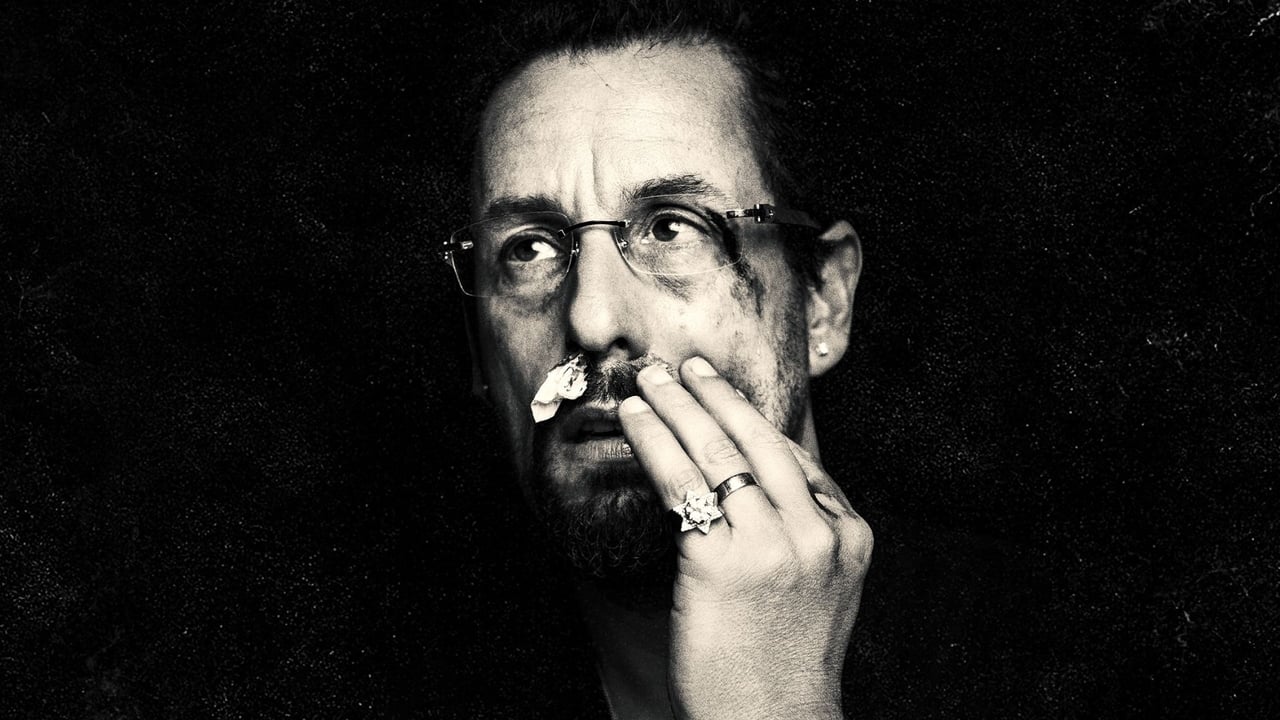
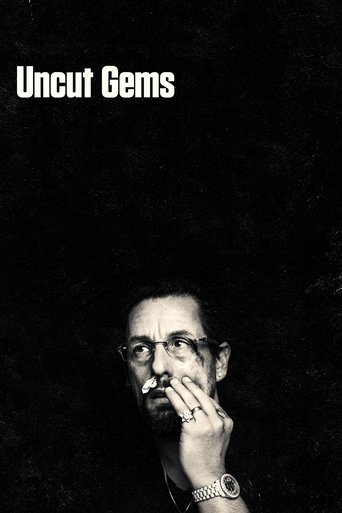
- Genre: Drama, Thriller, Crime
- Director: Benny Safdie
- Year: 2019
- Runtime: 2h 16m
- Language: English (EN)
- TMDB Rating: ⭐ 7.2/10
Movie Overview
Howard Ratner (Adam Sandler) is a New York jeweler with a gambling addiction that's spiraling out of control. His latest scheme involves a rare black opal and NBA star Kevin Garnett, who becomes obsessed with the gem's supposed mystical powers. Meanwhile, Howard's debts pile up as loan sharks circle and his personal life crumbles. The film unfolds like a pressure cooker, with each of Howard's increasingly desperate bets tightening the screws.
What surprised me most was how the Safdie brothers make Howard's self-destruction weirdly compelling. Even as he makes terrible decision after terrible decision, there's a perverse logic to his chaos. I'll admit I didn't expect to find myself rooting for someone so determined to ruin his own life.
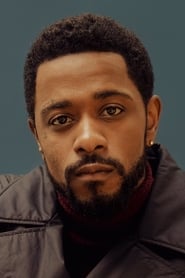
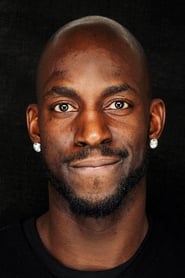
The supporting cast orbits Howard's disaster zone. Julia Fox as his employee/mistress Gina brings unexpected warmth, while LaKeith Stanfield's Demany serves as both enabler and Greek chorus. Kevin Garnett plays himself with surprising intensity — that scene where he refuses to return the opal had me holding my breath.
By the final act, the film achieves something remarkable: you can see every domino that's about to fall, yet the crash still shocks.
Direction & Cinematography
The Safdie brothers direct with controlled chaos, using tight close-ups and a constantly moving camera that makes you feel trapped in Howard's head. What stayed with me after the credits was how they frame conversations — characters are always talking over each other, barging into shots, creating this overwhelming sense of urban claustrophobia.
On rewatch, I noticed how they use sound design as a weapon. The overlapping dialogue, the constant phone rings, the sports commentary — it all builds to this unbearable tension. There's a scene where Howard is trying to have three different phone conversations at once that perfectly captures his fractured attention.
But what really impressed me was their restraint with the basketball scenes. Instead of slick NBA footage, we get grainy monitors and off-screen reactions, keeping the focus squarely on Howard's gambling high. It's a brilliant way to show how disconnected he is from reality.
Cast & Performances
Adam Sandler sheds all comic instincts to play Howard as a sweaty, twitchy force of nature. Watch how he constantly touches his face and adjusts his glasses — it's like he's trying to physically contain his own energy. That scene where he explains the opal's origin while high is a masterclass in manic charisma.
Julia Fox's Gina is the film's quiet revelation. Her reaction shots during Howard's rants tell whole stories — there's one moment where she rolls her eyes at something he says, then immediately schools her face when he looks back. It's these tiny choices that make her feel so real.
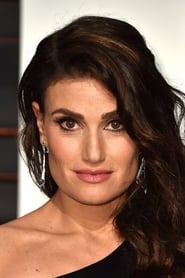
It bothered me slightly that Idina Menzel's Dinah doesn't get more to do. She's stuck playing the exasperated wife, though she does nail that final confrontation where her anger gives way to something sadder. Kevin Garnett holds his own against the professionals — his superstitious intensity makes you believe he'd risk his career on a rock.
Character Psychology
Howard wants the big score that will solve all his problems, but what he really needs is to stop. The tragedy is that he's smart enough to see the traps coming, but addicted to the rush of barely escaping them. There's a telling moment where he brags about almost getting caught — the near-miss is the whole point for him.
What surprised me most was how self-aware Howard is about his own flaws, yet completely powerless to change. He's not in denial; he's just hooked on the game.
Themes & Emotional Depth
Uncut Gems is about the American delusion that the next win will fix everything. The opal becomes this perfect metaphor — everyone projects their dreams onto it, but it's just a rock. That scene where Howard explains its journey from Ethiopian mines to his showroom plays like a dark parody of capitalist mythology.
The film also captures how addiction warps time. Howard lives in this perpetual present tense of immediate crises and payoffs. When someone mentions his daughter's bat mitzvah, he looks genuinely confused — future planning is alien to him.
Memorable Scenes & Dialogue
The auction scene is a masterpiece of escalating tension. Howard keeps raising his own bids to drive up the price, sweating through his shirt as the room turns against him. The Safdies shoot it like a heist gone wrong, complete with a ticking clock as the auctioneer's hammer hovers.
Howard's 'this is how I win' monologue should feel ridiculous, but Sandler sells it with terrifying conviction. The way his voice cracks on 'win' reveals how desperately he needs to believe it.
That single-take sequence where Howard flees through the diamond district is pure adrenaline. The camera stays glued to him as he dodges creditors and cops, turning midtown Manhattan into a pinball machine of near-misses.
The Ending — Does It Deliver?
The ending feels inevitable in retrospect, yet still lands like a gut punch. Everything in the film has been building to this moment — Howard's entire philosophy gets its ultimate test. What stayed with me wasn't the shock of it, but how quiet the aftermath plays.
I wasn't expecting much from a Sandler drama, but the final shot left me genuinely shaken. Without spoiling, it's one of those endings that reframes everything you've just seen. The Safdies hold on it just long enough for the weight to sink in.
What Works
The sound design is a character itself — overlapping voices and sudden silences that keep you perpetually off-balance. Sandler's performance transcends his usual schtick to create someone equal parts pathetic and magnetic. The Safdies' direction turns Manhattan into a neon-lit casino where every interaction feels like a high-stakes bet. That scene where Howard watches the game from the bathroom stall is perfect tension — you can see his entire worldview crumbling in real time.
Honest Criticism
The female characters get short shrift — Dinah's arc feels truncated, and even Gina disappears for long stretches. Some of the basketball subplots drag in the middle act, especially if you're not a sports fan. The relentless stress can be exhausting; there's little breathing room between crises. That one scene where Howard's brother-in-law confronts him lands oddly flat compared to the rest of the film's intensity.
How It Compares
Fans of Good Time (2017) will recognize the Safdies' signature style — urban pressure-cooker narratives where every decision makes things worse. But Uncut Gems has a broader canvas and more dark humor. It owes debts to Scorsese's gambling films like Casino, but replaces mob grandeur with grubby desperation.
Where it falls short is in side character development. Unlike The Wrestler (2008), which balances its protagonist with equally fleshed-out relationships, Howard's world exists mostly to enable his addiction.
Legacy & Cultural Impact
Uncut Gems was snubbed at the Oscars but made multiple critics' top 10 lists for 2019. It grossed $50 million against a $19 million budget, proving there's an audience for nerve-shredding cinema. The film reignited debates about Adam Sandler's dramatic chops and introduced Julia Fox as a talent to watch.
Its real legacy might be how it redefined the gambling movie genre — no glamour, just the raw mechanics of addiction. That NBA playoffs subplot alone should be studied for how it turns sports broadcasting into existential commentary.
Behind the Scenes
- Kevin Garnett was originally supposed to play himself for just one day of filming, but the Safdies were so impressed they expanded his role. 2. The black opal was actually a piece of Australian boulder opal worth about $30,000 — Sandler refused to hold it between takes because he was so nervous about damaging it. 3. The chaotic auction scene was largely improvised, with real diamond dealers playing the angry bidders.
Who Should Watch It?
Fans of anxiety-inducing cinema and character studies will love this. It's perfect for viewers who appreciate films that earn their tension through craft rather than cheap tricks. Avoid if you need likable protagonists or tidy resolutions — Howard is a glorious mess, and the film makes no apologies for him.
Final Verdict
Uncut Gems is a white-knuckle ride that justifies every bit of its reputation. The Safdies direct with precision, turning chaos into art, while Sandler delivers what might be his career-best performance. It's not an easy watch — the secondhand stress is real — but that's exactly what makes it so unforgettable. See it for the way it turns a midlife crisis into something approaching Greek tragedy. Just maybe keep a stress ball handy.
More details, ratings, and cast information on IMDb, TMDB, Wikipedia. YouTube