- 1Movie Overview
- 2Direction & Cinematography
- 3Cast & Performances
- 4Character Psychology
- 5Themes & Emotional Depth
- 6Memorable Scenes & Dialogue
- 7The Ending — Does It Deliver?
- 8What Works
- 9Honest Criticism
- 10How It Compares
- 11Legacy & Cultural Impact
- 12Behind the Scenes
- 13Who Should Watch It?
- 14Final Verdict

- Genre: Drama
- Director: Mike Leigh
- Year: 2004
- Runtime: 2h 5m
- Language: English (EN)
- TMDB Rating: ⭐ 7.2/10
Movie Overview
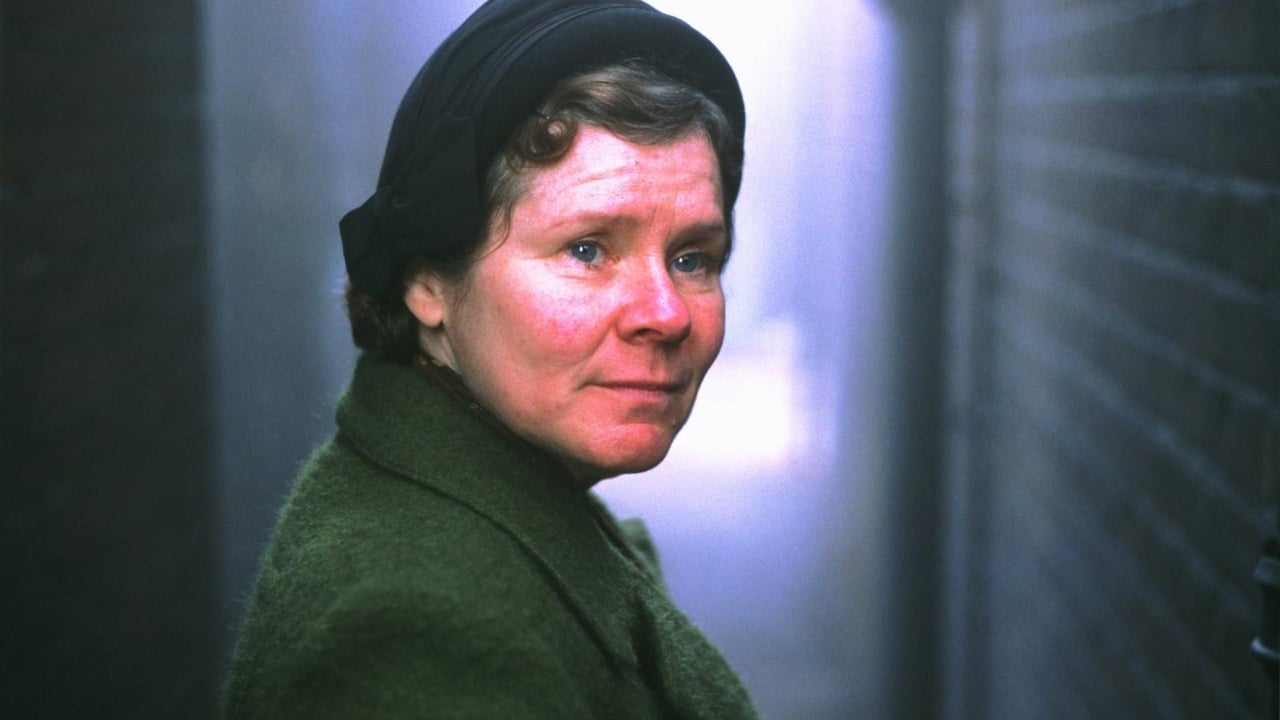
Vera Drake spends her days cleaning houses and her evenings helping women in trouble. She makes tea, offers comfort, and performs illegal abortions with homemade tools—all without taking a penny. Her family has no idea. Her husband Stan just thinks she's visiting sick neighbors. The film's first hour feels almost cozy, with Vera humming as she scrubs floors and fusses over her grown children. Then the police knock on the door. What follows isn't a courtroom drama or political statement, but something quieter and more devastating—the unraveling of a family who never saw the cracks beneath their ordinary life. The real conflict isn't between Vera and the law, but between her selfless acts and the world's refusal to see them as such.
Direction & Cinematography
Mike Leigh builds this world with his usual attention to working-class detail—the way Vera's coat hangs just slightly crooked, the exact sound of a kettle boiling. But what surprised me was how little he judges anyone. Even the police detectives seem weary rather than cruel. The camera stays close to Vera's face during the arrest scene, watching confusion turn to quiet horror as she realizes this isn't a misunderstanding. Leigh lets the silences do most of the work—there's no swelling score when Vera breaks down, just the creak of a chair and her husband's stunned breathing. Personally, I think this restraint makes the emotional moments hit harder. You keep waiting for someone to scream, and they never do.
Cast & Performances
Imelda Staunton's Vera smiles with her whole face—until she doesn't. Watch how her hands never stop moving, even when she's sitting still. Phil Davis as Stan does something remarkable with very little dialogue—his final scene, just staring at a wall, tells you everything. Sally Hawkins (in her first major role) makes the daughter's quiet rebellion feel lived-in. But I'll admit I didn't expect Eddie Marsan's character to leave such a mark—his stammering proposal scene is both funny and heartbreaking. The only weak link is Daniel Mays as Vera's son; he plays every scene at the same nervous pitch.
Character Psychology
Vera thinks she's helping. That's the whole of it—no political ideology, no grand statements. She can't comprehend why anyone would see her actions as criminal. What she needs—though she'd never say it—is for someone to acknowledge that her kindness mattered. The tragedy is that even her family can't give her that. They love her, but they don't understand. By the end, she's become a stranger in her own home.
Themes & Emotional Depth
This isn't really a film about abortion. It's about how society criminalizes compassion when it doesn't fit the rules. The most telling moment comes when Vera's middle-class employer fires her—not out of moral outrage, but because she's 'unseemly.' Class runs through every frame. The women Vera helps are poor; the ones who can afford it go to discreet doctors. Leigh shows us a world where goodness has a price tag.
Memorable Scenes & Dialogue
The arrest scene works because of what's not said—Vera keeps offering tea while the detectives shift uncomfortably. The camera stays tight on her hands as they tremble pouring milk. Later, when Stan finally confronts her, the staging tells the story: he towers over her in their tiny kitchen, but she's the one who seems to take up less space. And that final shot of Vera alone at the table—no music, no tears—it stayed with me for days.
The Ending — Does It Deliver?
The ending feels inevitable, but not cheap. We don't get a tidy resolution because Vera's world doesn't allow for one. What surprised me was how little anger there is—just exhaustion and a kind of numb acceptance. The last shot holds on Vera's face just long enough for you to see the moment she realizes her life will never be the same. It's not showy, but it wrecks you.
What Works
Staunton's performance is a masterclass in subtlety—watch how she folds a handkerchief or the way her smile falters when someone mentions 'backstreet butchers.' The production design immerses you in postwar London without feeling like a museum piece. And Leigh's decision to focus on the family fallout, not the legal drama, gives the story its unique weight.
Honest Criticism
The subplot with Vera's daughter and the neighbor feels undercooked—it's clearly meant to contrast with Vera's story, but the connections are too vague. And the pacing drags in the middle section, lingering on domestic routines long after we've gotten the point.
How It Compares
Compared to '4 Months, 3 Weeks and 2 Days,' Leigh's approach is less visceral but more psychologically acute. It lacks the righteous fury of 'Never Rarely Sometimes Always,' but that's the point—Vera isn't a rebel, just a woman who thought she was doing the decent thing. Where it falls short is in political urgency; this is a character study, not a call to action.
Legacy & Cultural Impact
Nominated for three Oscars (including Staunton for Best Actress), it won the Golden Lion at Venice. Critics praised its humanity, though some feminists argued it sidestepped the political debate. Today, it's remembered as one of Leigh's most emotionally direct films—and Staunton's career-best work.
Behind the Scenes
Staunton based Vera's voice on her own mother. The abortion scenes used real midwives as consultants. Leigh's rehearsal process involved months of improvisation—the family dinners were largely unscripted.
Who Should Watch It?
Fans of quiet, character-driven dramas will find much to admire here. Those looking for a fiery abortion rights polemic should look elsewhere—Leigh cares more about the woman than the issue.
Final Verdict
An 8.2 for its emotional precision and Staunton's heartbreaking work. Not Leigh's most ambitious film, but possibly his most humane. Watch it for the scene where Vera finally stops smiling—it's worth the whole runtime.
More details, ratings, and cast information on IMDb, TMDB, Wikipedia. YouTube