- 1Movie Overview
- 2Direction & Cinematography
- 3Cast & Performances
- 4Character Psychology
- 5Themes & Emotional Depth
- 6Memorable Scenes & Dialogue
- 7The Ending — Does It Deliver?
- 8What Works
- 9Honest Criticism
- 10How It Compares
- 11Legacy & Cultural Impact
- 12Behind the Scenes
- 13Who Should Watch It?
- 14Final Verdict

- Genre: Adventure, Animation, Comedy, Family
- Director: Karey Kirkpatrick
- Year: 2006
- Runtime: 1h 23m
- Language: English (EN)
- TMDB Rating: ⭐ 6.6/10
Movie Overview
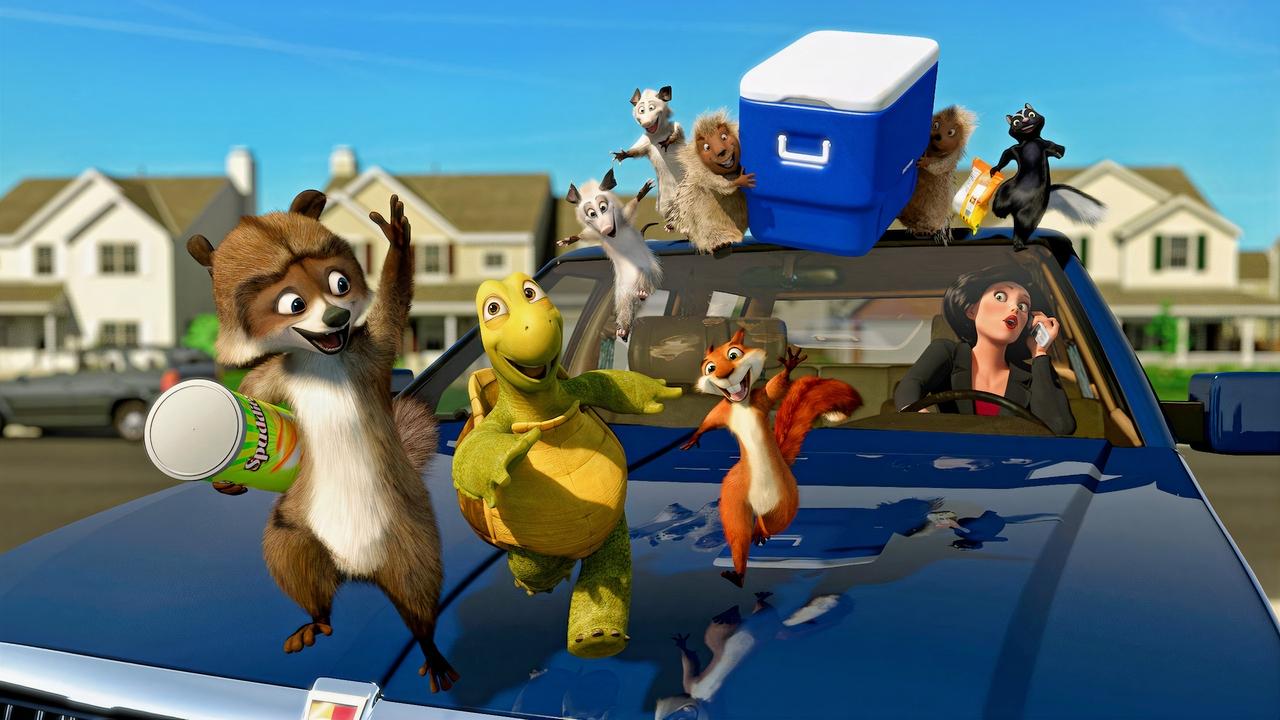
Over the Hedge kicks off with the clever raccoon RJ, voiced by Bruce Willis, who finds himself in a tight spot with a bear named Vincent. To pay off a hefty debt, RJ lures a family of forest creatures into the suburban sprawl that has encroached upon their home while they hibernated. The setup is simple, but it cleverly invites viewers into a world where urban life and wildlife hilariously collide. As RJ manipulates the unsuspecting animals, you can't help but feel a mix of sympathy and frustration for them.
The various characters bring their own quirks. There's Verne, voiced by Garry Shandling, who represents the cautious and anxious side of nature, always worrying about the worst-case scenario. The family dynamic is thrown into chaos when RJ’s schemes lead the group on chaotic food raids, exposing their naivety about the human world. What surprised me most was how the film balances its comedic elements with genuine moments of introspection, especially as the characters confront their own insecurities.
Just when you think the conflict is primarily about food, it evolves into a deeper exploration of family dynamics and trust. The subplot involving Vincent, who eventually reveals his true nature, adds layers to RJ’s journey as he tries to mediate between the forest creatures and the dangers of suburban life. As the culmination of their adventures unfolds, it becomes apparent that RJ, while misleading the group, may also be the key to their unity.
The emotional arc culminates when the gang realizes their collective strength, though the resolution feels a bit rushed toward the end. I kept waiting for a more profound reflection on their experience in suburbia, and while it ultimately lands some touching moments, it could have explored these themes even further. In the final scenes, the characters learn about family bonds, and that stayed with me after the credits rolled.
Direction & Cinematography
Director Karey Kirkpatrick brings a vibrant and lively style to Over the Hedge that reflects its animated nature. One specific shot that stands out is the top-down view of the suburban neighborhood, contrasting the chaos of animals on the ground with the ordered suburban life above. This visual framing emphasizes the absurdity of their situation, making it clear that their antics are both comical and distressing.
Pacing is a mixed bag. Some segments, particularly during the early food raids, feel rushed, leaving little time to digest the humor. Yet, the film offers quieter moments, like when Verne contemplates his role as protector, which allow for character reflection. I noticed this especially in scenes that juxtapose Verne’s introspective moments with RJ's bold schemes. It worked to bring a balance, though there were times when these shifts felt jarring rather than harmonizing.
What struck me most was how Kirkpatrick keeps the tone light, even when heavier themes surface. The dialogue is snappy and filled with clever one-liners that provide a continual chuckle, though some jokes might land better with younger viewers. The humor often dances between slapstick and clever wordplay, but it's the moments of sincerity that ultimately define the direction.
Cast & Performances
Bruce Willis shines as RJ, embodying the character's sly charm with a playful energy. His delivery of lines, especially during the multiple schemes he concocts, adds an engaging layer to his character. I’ll admit I didn't expect such depth from an animated raccoon, but Willis manages to balance mischief with vulnerability.
Garry Shandling’s portrayal of Verne is a standout as well. His physical choices, particularly the constant fidgeting and exaggerated expressions of anxiety, resonate with anyone who's ever felt overwhelmed. However, a few of Verne's more panicked moments didn't land for me, feeling a touch overplayed. Still, Shandling’s signature dry humor brings a necessary counterbalance to RJ’s brash antics.
Steve Carell as Hammy is another delight. His enthusiastic and naive take on the hyperactive squirrel often steals the scene. One particular moment where he discovers the wonders of caffeine is hilarious, showcasing Carell’s gift for timing and absurdity, yet I felt his character could have had more grounding beyond comic relief. His energetic portrayal effectively captures the essence of uninhibited youth, though a bit more character depth would have elevated his role.
Character Psychology
RJ’s surface goal is simple: he wants to repay his debt to Vincent by collecting food. However, on a deeper level, he craves acceptance and connection, which he finds in the mismatched family of forest creatures. Throughout the film, he struggles with self-awareness, often lying to himself and others, illustrating his inner conflict between selfishness and genuine camaraderie.
By the end, RJ learns the significance of family and community, but it’s through hardship and manipulation that he reaches this realization. His initial lack of trust and honesty isolates him, but his experiences with Verne and the others foster a sense of belonging he didn’t know he needed.
Themes & Emotional Depth
At its core, Over the Hedge is about the complexity of relationships and the often messy nature of trust. The film illustrates how outside pressures, like suburban encroachment, can strain bonds in familiar settings. One scene that amplifies this theme is when Verne confronts RJ about his deception; it emphasizes the need for honesty in relationships, even when faced with dire circumstances.
Additionally, the film explores the importance of community. The moment when the animals band together to stand up to Vincent reveals a transformation in their dynamics. They start as a disjointed group but evolve into a cohesive unit, showing that collaboration can overcome even the most daunting challenges, whether it be a bear or the trials of suburban life.
Memorable Scenes & Dialogue
One standout moment occurs during the first food raid, where the animals comedically strategize their approach to infiltrate the human's backyard. The choreography is wonderfully animated, showcasing each creature’s personality, particularly when Hammy’s chaotic energy contrasts with Verne’s cautious planning. This scene works because it encapsulates the film's humor and heart while introducing the conflict in a lighthearted manner.
Another great scene is the climax when the animals confront Vincent. The tension is palpable, heightened by the surprising character development of RJ as he stands up against the bear. This moment helps redefine his character from a mere trickster to a protector, adding stakes and emotional weight to the resolution, making the audience root for him.
Lastly, the scene where Hammy drinks a soda and speeds around at superhuman pace is not just humorous but visually stunning. The animation captures the frenetic energy perfectly, allowing viewers to relish in his sheer joy and excitement, while also providing a necessary comic relief in an otherwise tense scenario.
The Ending — Does It Deliver?
The ending of Over the Hedge feels earned, as it revolves around the established relationships and character arcs. The culmination of RJ's journey from a selfish raccoon to a participating family member resonates well after all that unfolds. I was surprised at how well it tied together the various narrative threads, allowing for a satisfying conclusion that reflects the growth of the characters.
However, the final shot, which features RJ and his newfound friends celebrating their triumph, left me feeling pleasantly warm. There’s an emotional satisfaction in seeing them come together, even if the transition from chaos to resolution felt a tad too swift. It might have benefited from a moment of quiet reflection before the credits roll.
What Works
One of the film’s strongest elements is the animation style, which is both colorful and expressive. The quick pacing keeps the energy high, particularly during the food raids where character dynamics are showcased. The voice performances, especially Bruce Willis and Steve Carell, bring life to the characters — their comedic timing enhances the humor significantly. The integration of genuine moments of character reflection adds layers to what could have been a simple plot.
Honest Criticism
However, the subplot involving Vincent the bear doesn't quite deliver. While he serves as an antagonist, his motivations seem underdeveloped and become more of a cliché than a compelling threat. His interactions with RJ often feel repetitive, and by the end, his resolution is unconvincing. It bothered me slightly that such a potentially interesting character ends up feeling like a generic villain rather than someone who could have added depth to RJ’s storyline.
How It Compares
Over the Hedge sits alongside animated films like Zootopia and The Secret Life of Pets, but it doesn't quite reach their narrative depth. While both Zootopia and The Secret Life of Pets explore social themes and character growth more intricately, Over the Hedge focuses more on slapstick humor and straightforward storytelling. This film wins when it comes to lighthearted fun and quick pacing, appealing to a younger audience, but it loses some emotional heft compared to its competitors.
Unlike Zootopia's robust world-building, Over the Hedge's suburban setting feels less fleshed out, making it a lighter experience overall. Still, it manages to deliver its message with enough charm to keep family viewers entertained.
Legacy & Cultural Impact
Released in 2006, Over the Hedge grossed over $343 million worldwide, which reflects its solid box office performance among family audiences. It received mixed reviews, holding a 6.6/10 rating on IMDb, which shows that while not a blockbuster critical darling, it earned its place as a fun children’s film. The animation style and humor influenced later family-oriented animations, showing that humor could exist alongside important themes, making it somewhat of a staple in early 2000s animated features.
Behind the Scenes
Initially, the character of RJ was meant to be voiced by a different actor, but after a last-minute decision, Bruce Willis stepped in, instantly changing the character's dynamic. The film features improvisation, especially from Steve Carell, who added spontaneous elements to Hammy that weren't originally scripted. The budget constraints also led to creative decisions, particularly in the animation style, which reflects a blend of contemporary and classic 3D animation techniques that work well in the film's favor.
Who Should Watch It?
Families looking for a light-hearted animated film will likely enjoy Over the Hedge, especially younger kids who will find the antics entertaining and relatable. However, those expecting a deeper narrative or more nuanced humor might want to skip it, as it leans heavily on slapstick and straightforward storytelling rather than intricate character development.
Final Verdict
I would recommend Over the Hedge for a fun family movie night, as it perfectly combines humor and light adventure without overextending its runtime. The film presents a clever take on suburbia while delivering genuinely funny moments that often land well with younger audiences. If you're seeking something profound, however, it’s best to pass — this film is primarily about laughs, not depth.
More details, ratings, and cast information on IMDb, TMDB, Wikipedia. YouTube