- 1Movie Overview
- 2Direction & Cinematography
- 3Cast & Performances
- 4Character Psychology
- 5Themes & Emotional Depth
- 6Memorable Scenes & Dialogue
- 7The Ending — Does It Deliver?
- 8What Works
- 9Honest Criticism
- 10How It Compares
- 11Legacy & Cultural Impact
- 12Behind the Scenes
- 13Who Should Watch It?
- 14Final Verdict
- Genre: Comedy, Drama, Romance
- Director: Nick Moore
- Year: 2008
- Runtime: 1h 38m
- Language: English (EN)
- TMDB Rating: ⭐ 6.7/10
Movie Overview
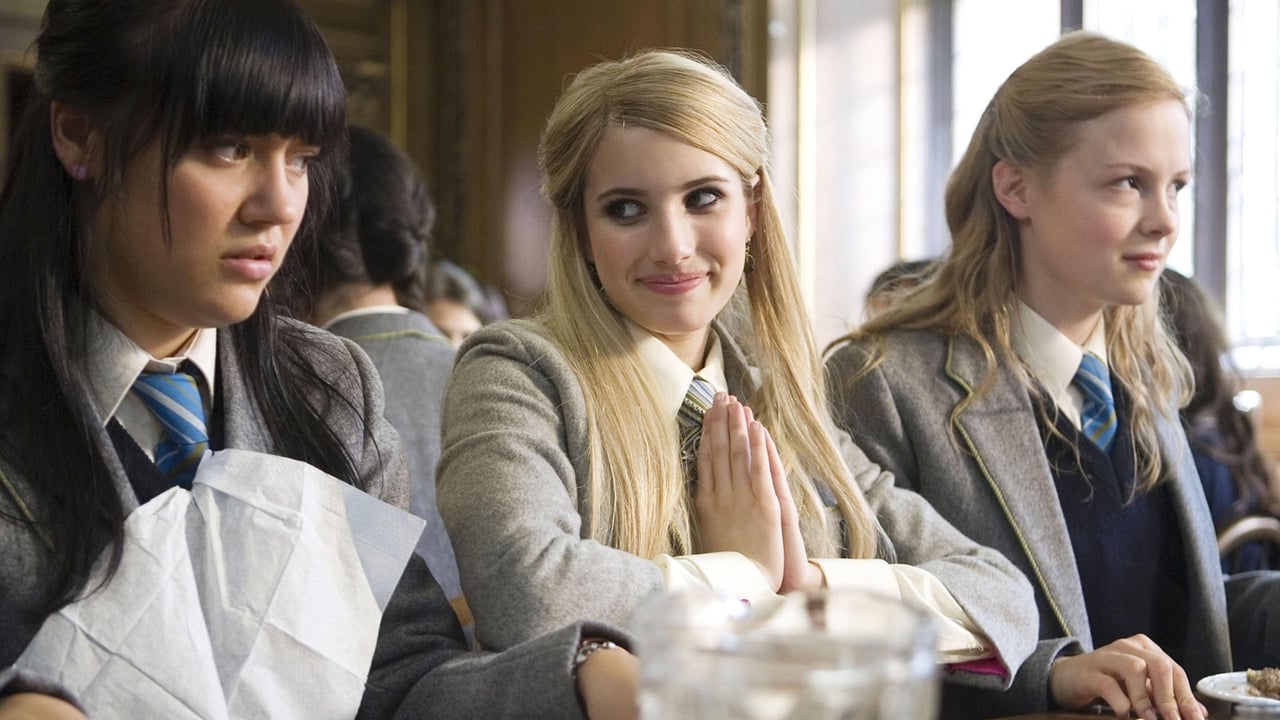
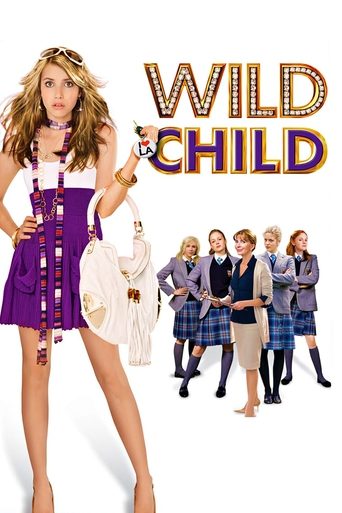
Wild Child kicks off with sixteen-year-old Poppy (Emma Roberts), a privileged teen whose life revolves around shopping sprees and relentless pranks. After a particularly reckless stunt, her fed-up father ships her off to a strict English boarding school. There, she encounters a rigid headmistress, Mrs. Kingsley (Natasha Richardson), who isn’t afraid to challenge her entitlement. This creates a clash that’s both entertaining and cringe-worthy, as Poppy struggles to fit into a world that demands accountability and camaraderie.
As Poppy grapples with her new reality, she meets a group of girls who initially seem like the perfect balance of friends and rivals. Among them is the vulnerable but determined girl, Kate (Kimberly Nixon), who becomes Poppy’s unexpected ally. In the midst of this, Poppy also finds herself drawn to the charming school heartthrob, Freddie (Alex Pettyfer). Their flirtation adds a layer of lighthearted romance that keeps the narrative breezy, though it does feel a bit predictable.
Conflict arises as Poppy fights against the rules, refusing to adapt her spoiled behavior, which leads to a series of comedic misadventures. It’s a formula we’ve seen before: the unrefined outsider trying to find her place, but what keeps it somewhat engaging is Poppy’s occasional moments of introspection. The film hints at deeper issues when Poppy reflects on her strained relationship with her father. Still, the quick pacing of the story makes it hard for those moments to resonate fully.
The final act accelerates towards a resolution that feels almost obligatory. Poppy's arc reaches a climax with her making heartfelt decisions, but I kept waiting for a more substantive transformation. The ending, while sweet, feels like a safe conclusion to a story that had the potential for more depth. What stayed with me after the credits was the realization that Wild Child delivers all the teen rom-com tropes but lacks the freshness that could elevate it beyond its genre constraints.
Direction & Cinematography
Nick Moore directs Wild Child with a light touch, opting for vibrant colors and energetic pacing that captures the essence of youthful rebellion. I noticed the use of quick cuts during Poppy's prank scenes, which adds to the chaotic feel of her character. This choice keeps the audience engaged, creating a fun atmosphere, yet it sometimes glosses over the chance to develop deeper emotional connections.
But the direction falters in quieter moments. For example, during a poignant scene where Poppy visits her father's home, the transition from warmth to coldness is abrupt. The tonal shifts are jarring, making it hard to fully invest in her struggles. Moore's decision to maintain a comedic tone throughout detracts from moments that could have offered genuine reflection on family and personal growth.
The pacing is brisk, which is both a strength and a weakness. It ensures that the film rarely drags, but it also sacrifices character development. There are points where I felt Moore could have lingered on Poppy's interactions with her classmates to allow more emotional weight to build. Instead, we’re swept along at a clip that feels more suited for a sitcom than a coming-of-age drama.
Cast & Performances
Emma Roberts brings a spirited energy to Poppy, embodying both the character's spoiled attitude and her vulnerability. One standout moment comes when Poppy realizes she's been unwelcome at a party; her facial expressions shift from defiance to heartbreak, perfectly encapsulating her inner turmoil. However, I’ll admit I didn’t expect her emotional range to feel somewhat limited — she often leans on one-note expressions that fail to deepen her character.
Alex Pettyfer as Freddie adds a charming dynamic to the film, particularly in a scene where he unexpectedly helps Poppy navigate a tough moment with her peers. His casual body language and relaxed line delivery create a believable chemistry between them. It’s a shame, though, that his character feels underdeveloped, often relegated to the role of the love interest without much depth beyond that.
Natasha Richardson shines as Mrs. Kingsley, perfectly portraying the stern yet caring authority figure. Her delivery of lines is crisp, particularly in moments where she confronts Poppy about her behavior. What struck me was the subtlety in Richardson's performance; she balances toughness with an underlying sense of empathy. It bothered me slightly that her character could have been explored further, as her backstory might have offered a richer narrative layer to oppose Poppy’s antics.
Character Psychology
Poppy wants to maintain her carefree lifestyle, seeking independence from her father and the structure of boarding school. However, what she truly needs is to understand responsibility and the importance of community. Her initial resistance to change shows her immaturity, though there are fleeting moments of self-awareness as she starts to recognize the impact of her actions on others.
Yet, Poppy doesn’t fully achieve self-awareness. While she shows some growth by the end, it feels more surface-level than profound. She seems to change for others rather than out of a deep understanding of herself, which leaves her character arc feeling somewhat incomplete.
Themes & Emotional Depth
Wild Child explores the clash between privilege and accountability, showcasing how Poppy’s affluent background shapes her worldview. The film often highlights her inability to see beyond her own desires, evident during a scene where she dismisses the struggles of her classmates after her own privileged life is disrupted.
Another theme is the concept of friendship and belonging. As Poppy navigates her new school, the dynamics between her and her classmates serve as a microcosm of the larger challenges of adolescence. The moments when she strives to connect with others, despite her initial selfishness, reveal a universal struggle of finding one’s place in a community.
Memorable Scenes & Dialogue
One of the most striking scenes occurs early in the film when Poppy first arrives at boarding school. The directors cleverly stage her entrance, with the camera focusing on her over-the-top outfit while the other girls stare in disbelief. This sets the tone for her character and emphasizes her isolation from the start. The contrast in reactions creates a humorous yet telling commentary on her character.
Another notable moment happens during a heart-to-heart between Poppy and Kate, where Kate reveals her insecurities about fitting in. The vulnerability shared in this scene works well because it feels raw and genuine, showcasing the development of their friendship. The chemistry between the two actresses is palpable, and the heartfelt dialogue gives a sense of depth to their characters' experiences.
The Ending — Does It Deliver?
The climax of Wild Child wraps up predictably, with Poppy finally owning up to her actions during a school event. It felt mildly surprising how quickly she makes amends, considering the buildup of her character’s arc. The emotional resolution is satisfying, but it lacks the weight of a truly earned change.
The final shot, where Poppy stands confidently with her new friends, left me with a warm feeling, though it felt like the resolution was handed to her rather than earned. I found myself wishing for a more nuanced conclusion, one that would have added depth to her journey.
What Works
What works well in Wild Child is its humor, particularly in scenes where Poppy's character clashes with the boarding school's norms, like her outrageous outfits or over-the-top pranks. Emma Roberts shines during these moments, and her comedic timing often lands well, inviting genuine laughter. The film’s brisk pacing also keeps the energy alive, making it an easy watch for younger audiences. Plus, the chemistry between Roberts and Nixon brings a refreshing element to the friendship dynamic.
Honest Criticism
However, the subplot involving Poppy's strained relationship with her father feels underdeveloped and adds little to the overarching narrative. It seems like an afterthought, meant to provide some emotional depth, yet it never quite connects. The film could have benefited from more exploration of this dynamic, as it might have offered a richer context for Poppy's character and her eventual transformation.
How It Compares
Wild Child has clear parallels with films like Mean Girls and The Duff. Where it excels is in its lighthearted tone and humorous antics, making it a more family-friendly option. However, it tends to fall short of the sharper writing and deeper character exploration found in those films. Unlike Mean Girls, which delves into the consequences of social hierarchies, Wild Child shies away from deeper implications, focusing instead on surface-level comedy and romance.
Legacy & Cultural Impact
The film was relatively well-received, landing an IMDb score of 6.7, which reflects its mixed yet favorable standing among audiences. Though it didn't win any significant awards, it has found a place in the hearts of those who enjoy childhood nostalgia. Its influence lies in its straightforward approach to teen comedies, paving the way for future films to embrace such lighthearted narratives without the weighty emotional undertones.
Behind the Scenes
Emma Roberts reportedly auditioned for the role of Poppy without initially knowing about the script's comedic elements. The director, Nick Moore, insisted on some improvisation during certain scenes, which led to some of the film's more comical moments. Additionally, the original ending included a more dramatic showdown between Poppy and Mrs. Kingsley, but it was changed in favor of a lighter conclusion, reflecting the film's overall tone.
Who Should Watch It?
Teen viewers who enjoy lighthearted comedies will likely find Wild Child entertaining, particularly if they relate to themes of friendship and self-discovery. However, those looking for a profound coming-of-age story with deep character development should likely skip it, as it sticks to familiar tropes without taking many risks.
Final Verdict
Wild Child is a fun, albeit predictable, teen comedy that offers just enough entertainment to warrant a watch, especially for younger audiences. While it doesn’t break new ground in the genre, the comedic moments and lively performances can make it worthwhile for a casual viewing. If you’re in the mood for something light and playful, this film might just fit the bill — but don’t expect it to challenge you.
More details, ratings, and cast information on IMDb, TMDB, Wikipedia. YouTube