- 1Movie Overview
- 2Direction & Cinematography
- 3Cast & Performances
- 4Character Psychology
- 5Themes & Emotional Depth
- 6Memorable Scenes & Dialogue
- 7The Ending — Does It Deliver?
- 8What Works
- 9Honest Criticism
- 10How It Compares
- 11Legacy & Cultural Impact
- 12Behind the Scenes
- 13Who Should Watch It?
- 14Final Verdict
- Genre: Drama, History
- Director: Clint Eastwood
- Year: 2009
- Runtime: 2h 14m
- Language: English (EN)
- TMDB Rating: ⭐ 7.2/10
Movie Overview
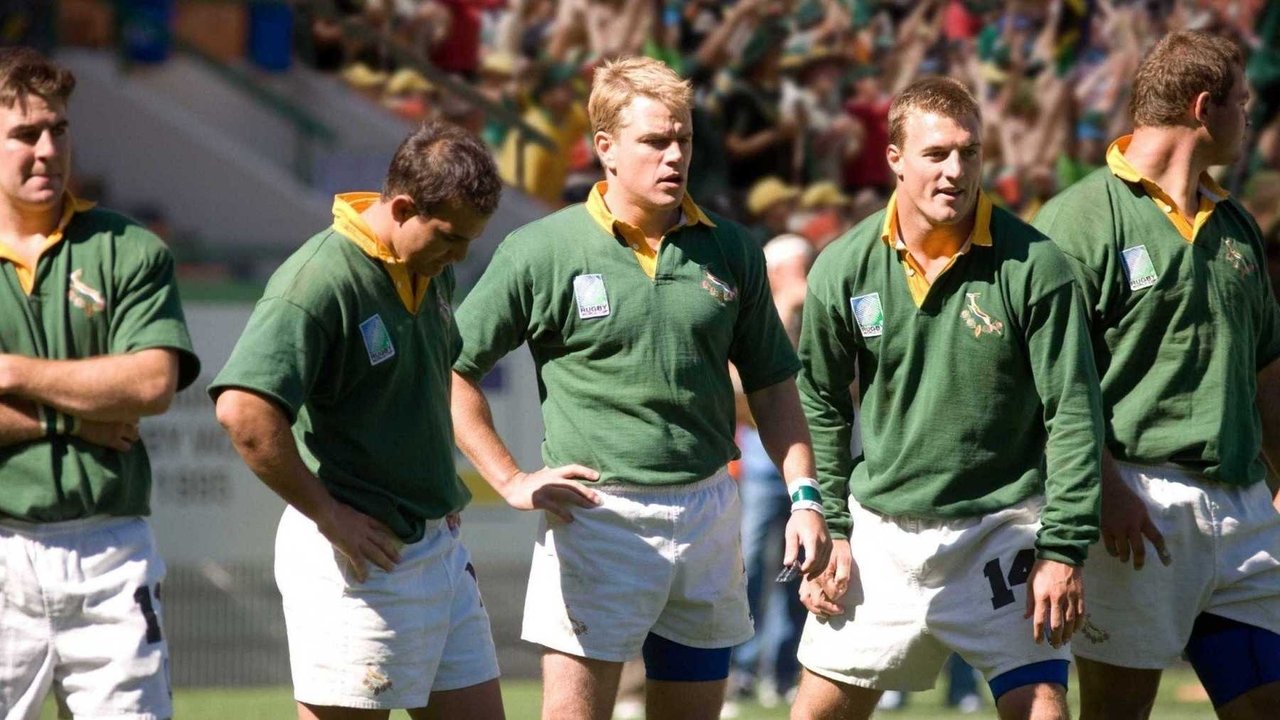
Nelson Mandela, fresh out of prison and into the presidency, walks into a room of skeptical white aides and asks them to stay—a simple request that carries the weight of a nation. The film follows Mandela's gamble: using the Springboks, a rugby team long associated with apartheid, as a unifying force ahead of the 1995 World Cup. Matt Damon's Francois Pienaar, the team captain, moves from dutiful participant to true believer as black South Africans slowly embrace the squad they once hated.
What surprised me most was how much screen time Eastwood gives to the rugby itself. The matches aren't just climax fodder—they're where the film's racial tensions play out physically. I wasn't expecting much from the sports angle, but the editing during the final game makes every scrum feel like a small revolution.
Personal stakes emerge quietly: Mandela's strained relationship with his daughter, Pienaar's father doubting the team's chances. These could've been clichés, but Eastwood underplays them—to a fault sometimes. The film's greatest strength is also its flaw: it's so focused on Mandela's vision that other characters feel like chess pieces.
Direction & Cinematography
Clint Eastwood, at 79, directs with the steady hand of someone who's seen enough history to know when to linger. He holds on Mandela's face just a beat longer than expected when the president hears crowds chanting his name at the rugby final—a silent moment of doubt in a sea of triumph.
The rugby sequences are where Eastwood's restraint falters, and that's a good thing. He lets the camera get jostled in scrums, uses sudden cuts to black between plays, and frames the field from angles that make it feel like a battleground. I'll admit I didn't expect such visceral energy from the man who made Million Dollar Baby.
But outside the stadium, the film sometimes moves too deliberately. Scenes of Pienaar's team visiting townships have heart, but they're staged like inspirational vignettes from a TV movie. What stayed with me after the credits were the smaller choices—Mandela's bodyguards learning to trust each other in the background of key scenes.
Cast & Performances
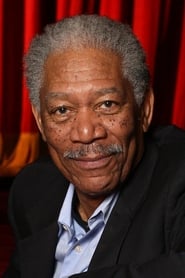
Morgan Freeman's Mandela is all measured gestures and calculated pauses—until he isn't. Watch how he subtly shifts posture when addressing white officials versus black constituents. His voice drops half an octave for Afrikaners; it's a performance built on micro-adjustments of power.
Matt Damon bulked up for Pienaar, but what sells the role is how he listens. There's a scene where Mandela recites 'Invictus' to him, and Damon's face cycles through confusion, awe, and determination without a word. I kept waiting for him to overplay it, and he never does.
Tony Kgoroge, as Mandela's head of security, gets the film's quiet MVP award. His glare at a white colleague who questions his competence tells a whole story in three seconds. But Adjoa Andoh as Mandela's chief of staff feels underused—her few scenes suggest a richer character we never get to meet.
Character Psychology
Mandela wants to unite South Africa through symbolism—keeping the Springboks' name, their green jerseys. But what he needs is harder: to prove reconciliation isn't just political theater, and that requires real trust from both sides.
Pienaar starts the film wanting to win games. By the end, he's leading white players through township slums, realizing sport was never just sport.
Themes & Emotional Depth
This is a film about the cost of mercy. Mandela's insistence on keeping his former jailers employed isn't presented as saintly—it's a strategic risk that could blow up in his face. The moment when black bodyguards reluctantly hand guns to their white counterparts says more about post-apartheid tensions than any speech.
The rugby matches become metaphors for the new South Africa: brutal, chaotic, but with rules everyone agrees to follow. Eastwood frames the final game not as a contest between nations, but as a test of whether Mandela's gamble can survive contact with reality.
Memorable Scenes & Dialogue
1) Mandela handing tea to the white housemaid who served his prison guards—her hands shake as she takes the cup. It's a tiny moment that says everything about flipped power dynamics.
2) The Springboks learning the national anthem phonetically, butchering the words but trying anyway. Eastwood cuts to black South Africans in the crowd noticing, some laughing, some tearing up.
3) The final scrum in the championship—shot from ground level so we see the players' strained faces inches apart, the ball barely visible beneath them. You don't need to know rugby to feel the weight of that pile.
The Ending — Does It Deliver?
The championship game delivers exactly what the film promises, which is both its strength and limitation. Every narrative thread pays off cleanly—maybe too cleanly. Real history gave Eastwood a perfect ending, but the film earns it by making us feel how unlikely it was.
What stayed with me wasn't the trophy lift, but the cut to Mandela changing out of his Springboks jersey afterward. Freeman plays it like a man taking off armor after a battle he's still not sure he's won.
What Works
Freeman's Mandela avoids impersonation by focusing on strategic silence rather than grand speeches. The decision to show rugby in Afrikaans commentary with no subtitles puts us in the shoes of black South Africans who once hated the sport. Pienaar's visit to Robben Island is perfectly staged—the camera lingers on the tiny cell Mandela occupied, letting Damon's face register the scale of his president's forgiveness.
Honest Criticism
The subplot about Mandela's strained family life goes nowhere—it's set up as emotional stakes but resolved in a single rushed scene. Some rugby scenes drag past the point of tension, especially in the middle acts. The white security team's arc feels truncated compared to their black counterparts, missing a chance to explore guilt and redemption more deeply.
How It Compares
Next to Remember the Titans (2000), Invictus is less sentimental but also less intimate—we don't get to know the rugby team like we do the football players. Compared to Eastwood's own Flags of Our Fathers (2006), it's more hopeful but less complex about how nations mythologize their heroes.
The film beats similar sports dramas by refusing to simplify apartheid's legacy into a training montage. But it loses points for sidelining black perspectives—Mandela's aides feel like footnotes in his story.
Legacy & Cultural Impact
Invictus earned Oscar nods for Freeman and Damon but underperformed at the box office, grossing just $49 million against a $60 million budget. Critics were mixed—some praised its restraint, others found it too safe for such raw history.
Today, it's remembered as Eastwood's last 'inspirational' film before his darker late-phase work like American Sniper. The rugby scenes still pop up in sports movie montages, but the political threads feel newly relevant in our era of symbolic division.
Behind the Scenes
- Freeman spent years lobbying to play Mandela before this film. The real Mandela gave his blessing, joking Freeman was 'much better looking' than he was.
- Damon trained with the actual 1995 Springboks to prep for the role. Their coach later said he'd have picked Damon as a reserve player.
- Eastwood shot the film in sequence—rare for him—to let the rugby team's camaraderie develop naturally.
Who Should Watch It?
History buffs and sports fans will find unexpected common ground here. Viewers who want a deep dive into apartheid's aftermath might feel it skims the surface.
Skip if you dislike understated political dramas—this isn't the fiery Mandela of Cry Freedom.
Final Verdict
Invictus is a solid 8.2—better than most inspirational biopics, but not quite a classic. It earns points for avoiding easy sentimentality, even when the story begs for it. Freeman and Damon give performances that deserve more discussion than they get. Watch it for the rugby-as-politics metaphor, stay for the small moments where Eastwood lets history speak for itself.
More details, ratings, and cast information on IMDb, TMDB, Wikipedia. YouTube