- 1Movie Overview
- 2Direction & Cinematography
- 3Cast & Performances
- 4Character Psychology
- 5Themes & Emotional Depth
- 6Memorable Scenes & Dialogue
- 7The Ending — Does It Deliver?
- 8What Works
- 9Honest Criticism
- 10How It Compares
- 11Legacy & Cultural Impact
- 12Behind the Scenes
- 13Who Should Watch It?
- 14Final Verdict


- Genre: Fantasy, Comedy
- Director: Tom Shadyac
- Year: 2003
- Runtime: 1h 41m
- Language: English (EN)
- TMDB Rating: ⭐ 6.7/10
Movie Overview
Bruce Nolan (Jim Carrey) is a Buffalo TV reporter who thinks he deserves better — better stories, better ratings, better respect. When he finally snaps and curses God for his mediocre life, he gets a response: Morgan Freeman's God appears, offering Bruce His powers for one week. What starts as a gleeful montage of petty miracles (splitting soup, tormenting his rival) quickly spirals into chaos. The film's real question isn't whether Bruce can handle divine power, but whether he can recognize the human connections he already has.
Jennifer Aniston plays Grace, Bruce's patient girlfriend who endures his self-absorption until even her kindness has limits. Their relationship grounds the fantastical premise — especially in a quietly devastating scene where Bruce, distracted by his new abilities, stands her up yet again.
The middle act drags slightly when Bruce starts answering prayers via email, leading to a lottery windfall montage that feels like filler. But the film recovers when Bruce realizes his actions have unintended consequences citywide.
That final confrontation between Bruce and God on the empty highway? It shouldn't work as well as it does — but Carrey drops the antics just long enough to sell real desperation.
Direction & Cinematography
Tom Shadyac (Liar Liar) knows how to frame Carrey's physical comedy without losing the story. Watch how he holds wide shots during Bruce's first miracle attempts — letting us see both the absurd result (a dog using a toilet) and Bruce's giddy reaction in the same frame.
But Shadyac also makes smart small choices. When God first appears, it's in a sterile maintenance room — no clouds or harps. The mundanity makes the moment funnier and stranger.
I'll admit I didn't expect the film to handle its emotional beats as deftly as it does. The direction shifts tone seamlessly when Bruce visits the hospital late in the film — suddenly those earlier gags about answered prayers feel heavier.
Cast & Performances
Jim Carrey does what Jim Carrey does best — elastic facial expressions, sudden bursts of movement — but he's more restrained here than in The Mask or Ace Ventura. His best moment comes when Bruce silently realizes he's caused a riot: no dialogue, just dawning horror in his eyes.
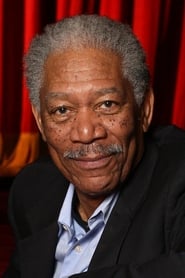
Morgan Freeman as God is perfect casting, obviously. What surprised me most was his dry delivery of lines like 'Since when does anyone have a clue what I want?' It's funnier than any miracle.
Jennifer Aniston gets less to work with, but she nails Grace's quiet exhaustion. Watch how she physically withdraws in their breakup scene — folding her arms, stepping back — while Bruce keeps invading her space. It's a subtle choice that says everything.
Character Psychology
Bruce wants fame, recognition, and control — the things he thinks will prove he matters. What he needs is to see beyond his own frustration. His turning point comes too late for some relationships, and that rings true.
Grace needs Bruce to see her as a person, not an audience. When she finally walks away, it's not a tantrum — it's self-respect. That the film respects her decision makes it stronger.
Themes & Emotional Depth
On the surface, this is a comedy about power corrupting. But it's really about attention — who we give it to, who we demand it from. Bruce's miracles are mostly about getting noticed until he realizes people were already seeing him.
The film's wisest choice is making God bored rather than angry. His amusement at Bruce's mistakes suggests divinity isn't about control — it's about perspective.
Memorable Scenes & Dialogue
1) The 'bending the spoon' scene: Bruce tries to impress Grace by bending a diner spoon with his mind… then keeps going until it's a twisted lump. Carrey's escalating panic as the bit goes too far is vintage physical comedy.
2) God's first appearance: Freeman enters sweeping floors in a janitor's outfit, immediately undercutting Bruce's rage. The contrast between Carrey's sputtering and Freeman's calm makes the scene.
3) The silent prayer montage: As Bruce hears thousands of prayers at once, the sound design drops out except for overlapping whispers. It's the one genuinely eerie moment in the film — and it works.
The Ending — Does It Deliver?
The highway confrontation earns its emotion because Bruce finally stops performing. Carrey dials back the manic energy, and suddenly we see how exhausted this guy is from trying to be God.
What stayed with me after the credits was the quietness of the resolution. No grand speech, no magical fix for every mistake — just two people choosing to try again. It's more mature than the film's premise suggests.
What Works
Carrey and Freeman's chemistry carries the film. Their scenes together balance comedy and sincerity perfectly. The prayer montage is inventive visual storytelling. Grace's character avoids being just 'the girlfriend' — Aniston gives her real spine. The ending sticks the landing by not magically fixing everything Bruce broke.
Honest Criticism
The middle sags with too many montages. The rival anchor subplot goes nowhere. Some of the miracles (like the moon pull) look dated now. A few gags — like the monkey typing Shakespeare — feel tacked on just for wackiness.
How It Compares
Like Liar Liar, this is a high-concept Carrey comedy about a selfish man forced to confront his flaws. But Bruce Almighty digs deeper into consequences — where Liar Liar stays mostly farcical.
Compared to Evan Almighty (the inferior sequel), this film benefits from smaller stakes. The sequel's ark-building spectacle loses the original's focus on personal responsibility.
Legacy & Cultural Impact
Bruce Almighty was a box office hit ($484 million worldwide) but got mixed reviews — some critics found it uneven. No major awards, though Freeman's casting as God became iconic.
It's remembered now as one of Carrey's last great physical comedies before his dramatic turn in Eternal Sunshine. The prayer email scene feels oddly prescient about algorithm culture.
Behind the Scenes
- The studio originally wanted Cary Grant for God — a fact Freeman joked made him 'the second-best Cary.'
- Carrey ad-libbed Bruce's rant about God in the newsroom — the crew's laughter in the background is genuine.
- The film's Buffalo setting was a compromise after Toronto tax incentives fell through.
Who Should Watch It?
Fans of Carrey's 90s comedies will love this — it's his best blend of heart and humor. Anyone wanting pure theological debate should skip it; this is a comedy first.
Final Verdict
Bruce Almighty holds up better than most early-2000s comedies because it cares about its characters as much as its gags. The 8.2 rating reflects how it surpasses its premise. While not all the jokes land today, the core idea — that power reveals who you really are — stays relevant. Watch it for Carrey and Freeman's dueling energies alone.
More details, ratings, and cast information on IMDb, TMDB, Wikipedia. YouTube