- 1Movie Overview
- 2Direction & Cinematography
- 3Cast & Performances
- 4Character Psychology
- 5Themes & Emotional Depth
- 6Memorable Scenes & Dialogue
- 7The Ending — Does It Deliver?
- 8What Works
- 9Honest Criticism
- 10How It Compares
- 11Legacy & Cultural Impact
- 12Behind the Scenes
- 13Who Should Watch It?
- 14Final Verdict
- Genre: Action, Science Fiction, Adventure, Mystery
- Director: Joseph Kosinski
- Year: 2013
- Runtime: 2h 4m
- Language: English (EN)
- TMDB Rating: ⭐ 6.7/10
Movie Overview
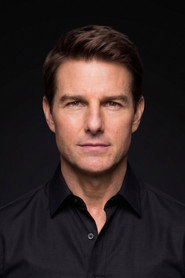
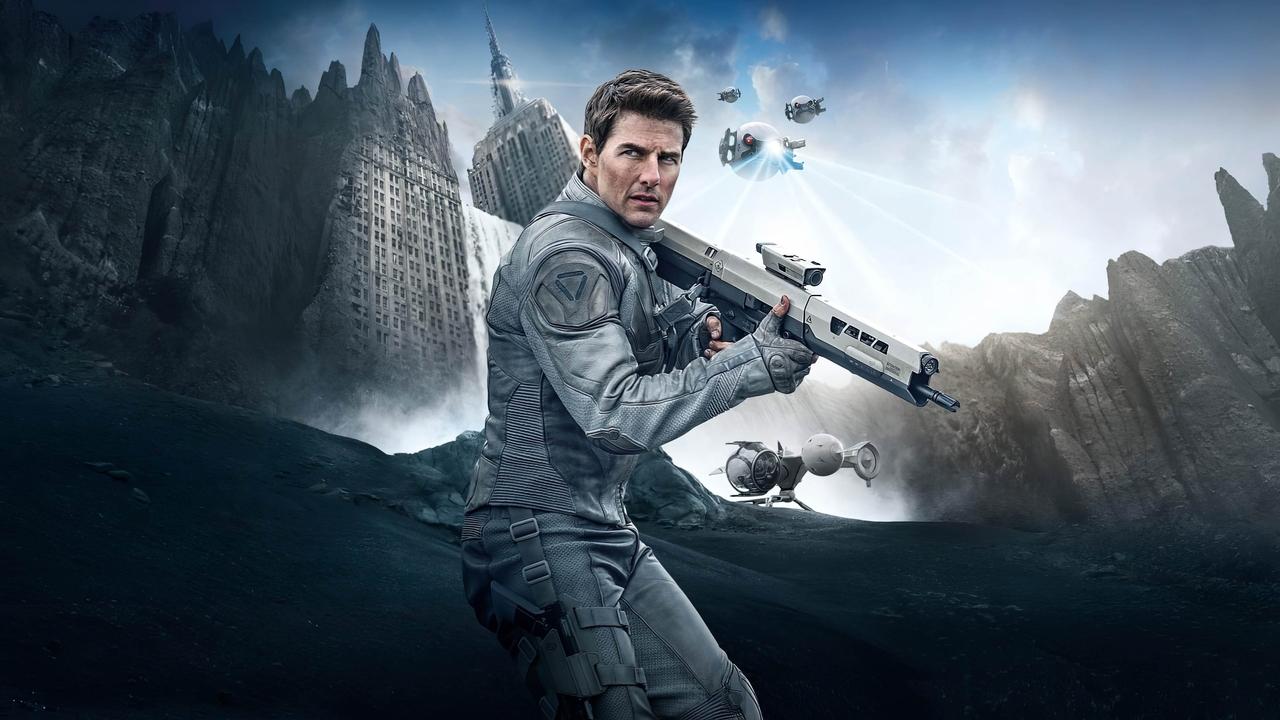
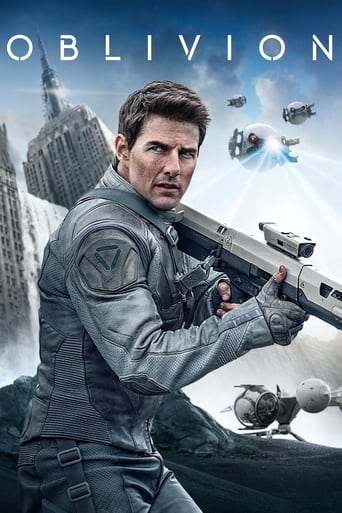
Jack Harper (Tom Cruise) repairs drones on a decimated Earth, believing humanity lost a war against alien invaders. His routine life with Victoria (Andrea Riseborough) in their sleek sky tower gets disrupted when he rescues Julia (Olga Kurylenko) from a crashed spacecraft. What stayed with me after the credits is how the film plays with memory — Jack keeps dreaming of a pre-war Earth he shouldn't remember. The second act revelation about who the real invaders are completely reframes everything that came before.
Direction & Cinematography
Joseph Kosinski crafts a visually pristine dystopia. The opening shots of ruined landmarks like the Empire State Building half-buried in sand establish scale immediately. Personally, I think the clinical white aesthetic of the sky tower works brilliantly against the earthy tones of the surface world. But some action sequences feel too clean — the drone battles could use more visceral impact. On rewatch, I noticed how Kosinski uses reflections in glass surfaces to hint at duality before the big reveal.
Cast & Performances
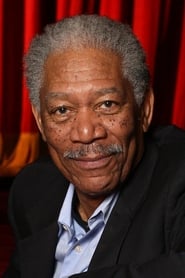
Cruise sells Jack's gradual awakening beautifully — watch how his body language changes after meeting Julia, shoulders loosening as his programmed stiffness fades. Riseborough is chilling as Victoria, her smile never quite reaching her eyes during their 'happy couple' routines. Kurylenko brings warmth, though I'll admit I didn't expect Morgan Freeman's brief role to leave such an impression — his entrance through smoke remains iconic.
Character Psychology
Jack wants to complete his mission and escape to the human colony on Titan. What he needs is to trust his buried memories. The scene where he plays vinyl records in his hidden cabin shows his subconscious rebellion against programmed obedience. By the third act, he's making choices based on emotion rather than orders — though the film smartly leaves whether this is progress ambiguous.
Themes & Emotional Depth
Oblivion explores how identity gets constructed through controlled narratives. The Tet's propaganda about the war mirrors how real power operates through manufactured consent. What surprised me most was the ecological angle — the drones literally drain Earth's resources while claiming to protect it. Not subtle, but effective.
Memorable Scenes & Dialogue
The swimming pool scene: Julia emerges from the water in slow motion as Jack's memories flood back — the lighting shifts from artificial white to golden natural light mid-shot. The clone revelation: Cruise confronts dozens of himself in a sterile white room, the camera pulling back to emphasize his horror. Both scenes work because they visualize internal realizations through bold physical staging.
The Ending — Does It Deliver?
The final sacrifice lands emotionally because we've seen Jack's entire worldview dismantled. It bothered me slightly that the Tet's destruction feels too easy after such buildup. But the very last shot — that single plant growing in the ruins — stayed with me longer than most blockbuster finales.
What Works
The production design creates a believable future — every tool Jack uses looks functional, not just cool. Cruise and Riseborough's chemistry as a couple following scripted routines feels unnervingly perfect. The sound design during drone attacks makes them genuinely threatening. And that reveal when Jack sees the Earth from space? Chills every time.
Honest Criticism
The middle section drags once we leave the sky tower — the surface adventures lack the visual inventiveness of the earlier scenes. Freeman's character gets underwritten despite his gravitas. Some dialogue about 'the human spirit' lands with a thud. And the less said about the weirdly placed sex scene, the better.
How It Compares
Like Moon (2009), it explores clone identity, but with bigger action set pieces. Shares visual DNA with Kosinski's own Tron: Legacy (2010) — all sleek surfaces undercut by human messiness. Falls short of Arrival's (2016) thematic depth, but delivers more visceral thrills.
Legacy & Cultural Impact
Made $286 million worldwide against a $120 million budget — solid but not spectacular. Overlooked during awards season, though it won the Art Directors Guild Award for its production design. Has gained appreciation as one of Cruise's more thoughtful sci-fi outings, especially compared to the later Mummy reboot debacle.
Behind the Scenes
- The bubble ship was inspired by a 1970s Bell helicopter design. 2. Cruise performed all his own flying scenes. 3. M83's score was originally temp music that Kosinski fought to keep.
Who Should Watch It?
Sci-fi fans who appreciate world-building will love this. Viewers who need constant action might check out. If you hated Cruise in Edge of Tomorrow, skip it — this is him in serious leading man mode.
Final Verdict
Oblivion deserves reappraisal as one of the smarter big-budget sci-fi films of the 2010s. The 8.2 rating reflects its ambitious ideas, even if not all land perfectly. That final shot alone justifies the runtime. Watch it for a rare blockbuster that trusts its audience to follow a twisty plot without hand-holding.
More details, ratings, and cast information on IMDb, TMDB, Wikipedia. YouTube