- 1Movie Overview
- 2Direction & Cinematography
- 3Cast & Performances
- 4Character Psychology
- 5Themes & Emotional Depth
- 6Memorable Scenes & Dialogue
- 7The Ending — Does It Deliver?
- 8What Works
- 9Honest Criticism
- 10How It Compares
- 11Legacy & Cultural Impact
- 12Behind the Scenes
- 13Who Should Watch It?
- 14Final Verdict
- Genre: Drama, History
- Director: Maria Schrader
- Year: 2022
- Runtime: 2h 9m
- Language: English (EN)
- TMDB Rating: ⭐ 7.2/10
Movie Overview
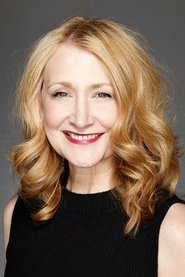
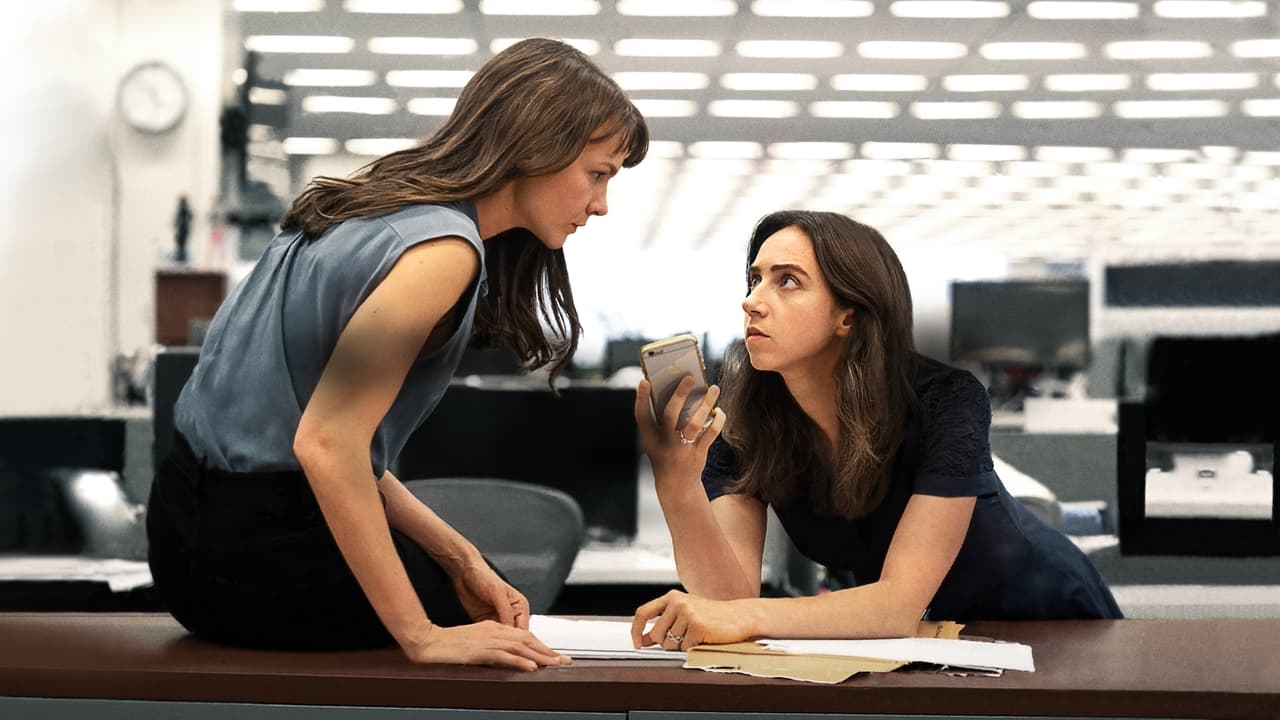
The film opens with Megan Twohey (Carey Mulligan) finishing a Trump exposé, her exhaustion visible in the way she slumps at her desk. When editor Rebecca Corbett (Patricia Clarkson) pairs her with Jodi Kantor (Zoe Kazan) to chase whispers about Harvey Weinstein, neither expects the avalanche of silence they'll have to break. What follows isn't a thriller about reporters outsmarting villains, but a procedural about convincing terrified women to trust them—one hesitant phone call at a time.
Direction & Cinematography
Maria Schrader makes an unusual choice for a journalism drama: she keeps the camera still. No frantic typing montages, no dramatic zoom-ins on evidence. When former assistant Zelda Perkins (Samantha Morton) finally speaks on camera, Schrader holds the shot for an agonizing minute as Morton's face cycles through rage, shame, and relief. It's the film's best moment.
Cast & Performances
Carey Mulligan does her best work in years as Megan, playing her not as a crusader but as a skeptical professional who slowly realizes the story's weight. Watch how she holds a coffee cup like a shield during interviews. Zoe Kazan's Jodi feels underdeveloped—her home life scenes play like obligatory 'working mom' tropes. But Andre Braugher steals every scene as the Times' gruff but supportive editor.
Character Psychology
Megan and Jodi want the story, but what they need is to earn trust from women who've been betrayed by systems before. The film's tension comes from watching them realize they're not just reporting facts—they're asking survivors to relive trauma.
Themes & Emotional Depth
This isn't really about Weinstein—it's about how power silences people. The most chilling scene shows a hotel employee casually describing how he'd clean up Weinstein's messes. The banality of complicity hits harder than any villain monologue could.
Memorable Scenes & Dialogue
1) The scene where Ashley Judd plays herself recounting her experience—the film cuts to black as she begins speaking, letting her real voice carry the weight. 2) Samantha Morton's monologue, delivered in one unbroken take where her hands never stop trembling.
The Ending — Does It Deliver?
The ending wisely avoids triumphalism—there's no grand speech, just quiet relief as the story goes live. What stayed with me was the final shot of an empty conference room where so many confrontations happened. It felt like exhaling after holding your breath.
What Works
The restrained approach makes the moments of emotion land harder. Mulligan's performance finds nuance in what could've been a stock 'tough reporter' role. The decision to focus on survivors rather than sensational details honors the real story.
Honest Criticism
The domestic subplots feel tacked on—Jodi's marital tension adds nothing. Some supporting survivors get shortchanged, their stories reduced to exposition. The film occasionally mistakes solemnity for depth.
How It Compares
It lacks the propulsive energy of Spotlight, but digs deeper into survivor psychology than Bombshell did. Where The Assistant showed systemic abuse through silence, this shows how that silence gets broken—messily, imperfectly.
Legacy & Cultural Impact
Opened to strong reviews but underwhelming box office ($11M worldwide). Critics praised its restraint, though some found it too procedural. Its real impact may be as a time capsule of how journalism actually works when lives are at stake.
Behind the Scenes
- The real Megan Twohey and Jodi Kantor visited set daily. 2) The film uses the actual Times office where they worked. 3) Ashley Judd is the only real-life figure to play herself.
Who Should Watch It?
Fans of meticulous journalism dramas will appreciate its authenticity. Those wanting catharsis or villain confrontations may find it frustrating. It's not an easy watch, but an important one.
Final Verdict
At its best, She Said captures the quiet heroism of both journalists and survivors. I'd give it an 8.2 for Mulligan's performance and Schrader's refusal to sensationalize. Watch it for the scene where silence speaks louder than any speech could—then go read the actual article.
More details, ratings, and cast information on IMDb, TMDB, Wikipedia. YouTube