- 1Movie Overview
- 2Direction & Cinematography
- 3Cast & Performances
- 4Character Psychology
- 5Themes & Emotional Depth
- 6Memorable Scenes & Dialogue
- 7The Ending — Does It Deliver?
- 8What Works
- 9Honest Criticism
- 10How It Compares
- 11Legacy & Cultural Impact
- 12Behind the Scenes
- 13Who Should Watch It?
- 14Final Verdict
Movie Overview
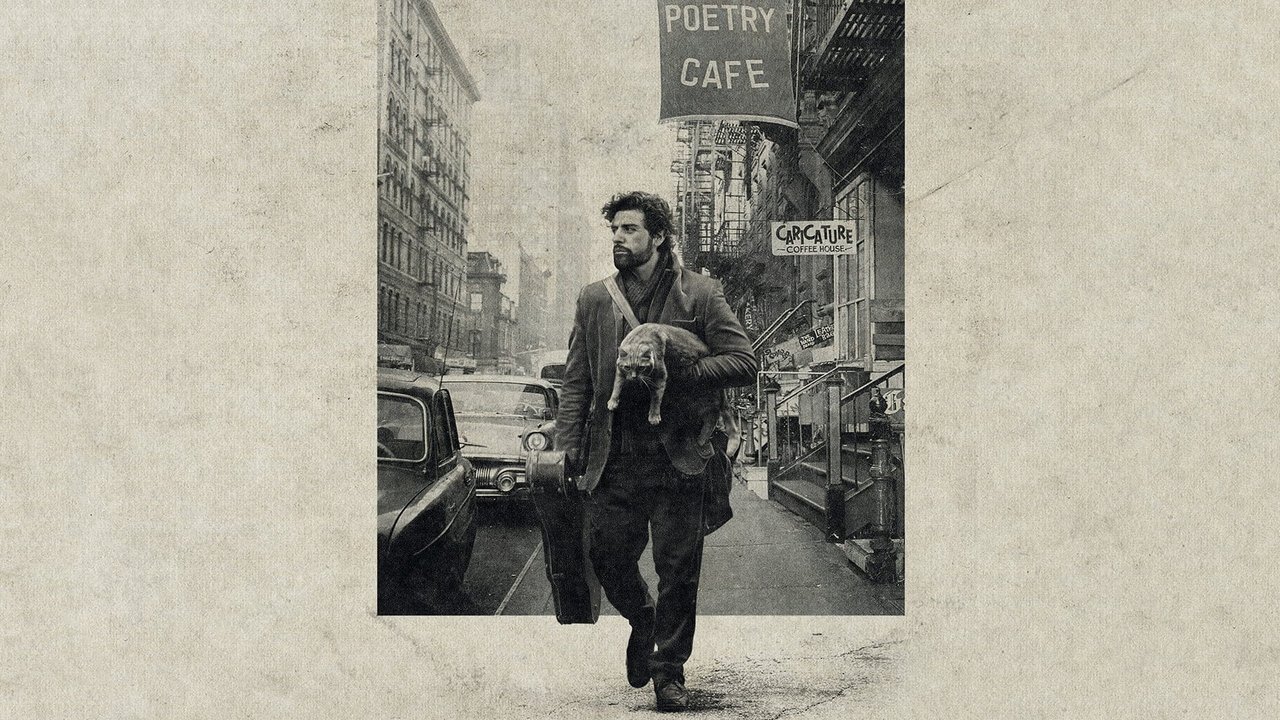
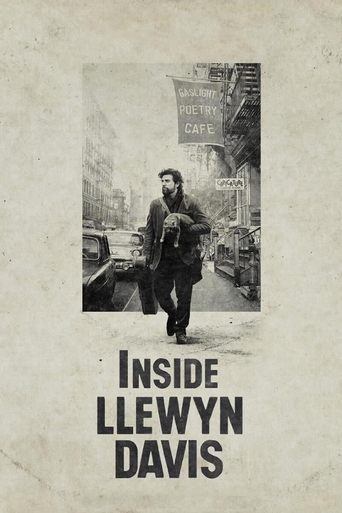
Llewyn Davis wakes up on a friend's couch with a stranger's cat crawling over him. That's how this film starts — with a man who's always slightly out of place. Over one freezing New York winter week in 1961, the folk singer drifts between couches, recording sessions, and bad decisions, carrying a guitar case but no coat. He's talented enough to matter, but not enough to succeed.
What passes for plot involves Llewyn's attempts to scrape together cash for an abortion (not his problem, but somehow his responsibility) and a disastrous road trip to Chicago with a junkie jazz musician. The Coens structure it like a folk song — verses of repetitive misfortune with no real chorus. You keep waiting for Llewyn's big break, but the universe seems determined to prove he's just not destined for greatness.
There's a moment where Llewyn plays for a Chicago club owner (F. Murray Abraham, perfectly deadpan) who tells him bluntly: 'I don't see a lot of money here.' That scene captures the film's central tension — raw talent colliding with commercial reality.
And then there's the cat. I won't spoil its journey, but it's the closest thing Llewyn has to a consistent relationship.
Direction & Cinematography
Joel and Ethan Coen shoot this like a faded photograph — all muted blues and grays, with Llewyn's red sweater sometimes the only color on screen. The cinematography by Bruno Delbonnel makes every interior feel cramped and every exterior feel freezing. You can almost see Llewyn's breath in those street scenes.
What struck me on rewatch is how the Coens frame musical performances. Unlike most music biopics, the camera doesn't swoop around to manufacture excitement. It just sits there, letting Oscar Isaac's performances play out in real time. The lack of flash makes the songs feel heavier.
But the pacing will frustrate some. Scenes linger past comfort, and the Chicago trip drags intentionally. It's a film about stagnation, so the direction mirrors that. Personally, I think it works — though I'll admit the first time I saw it, I kept waiting for something bigger to happen.
Cast & Performances
Oscar Isaac does career-defining work here. Watch how he slouches through scenes, shoulders permanently hunched against the world. His singing voice — all raw and untrained — sells the illusion that we're watching a real folk artist. That audition scene with F. Murray Abraham? Isaac makes Llewyn's quiet devastation palpable without a single tear.
Carey Mulligan's Jean is all sharp edges and barely contained rage. Her delivery of 'You're like King Midas's idiot brother' lands like a slap. It's a small role, but Mulligan makes every second count.
Justin Timberlake surprises as Jim, the square but successful counterpart to Llewyn. His performance of 'Please Mr. Kennedy' should feel silly, but Timberlake commits so fully that it becomes weirdly poignant. That said, I still think the character disappears too abruptly.
Character Psychology
Llewyn wants success on his own terms — to be recognized as an artist without compromising. But what he needs is to stop sabotaging every relationship and opportunity that comes his way.
He's painfully self-aware about his failures, yet completely blind to his own role in creating them. There's a telling moment where he insults a well-meaning couple's dinner party performance, then sleeps with the wife. Llewyn can't help burning every bridge, even when he knows he'll need to cross back later.
Themes & Emotional Depth
This is a film about artistic integrity versus survival. The Greenwich Village folk scene demands authenticity, but the musicians who succeed (like Timberlake's Jim) embrace commercial gimmicks. Llewyn refuses to sell out, but that just means he's left with nothing to sell.
The cat subplot says it all. Llewyn keeps losing the animal, finding it, losing it again. He's responsible for something he can't control and doesn't really want. That's his career in a nutshell — a burden he can't put down but can't quite hold onto either.
Memorable Scenes & Dialogue
The 'Fare Thee Well' performance early in the film. Llewyn sings it solo after his partner's suicide, and Isaac lets his voice crack just enough to suggest emotion without tipping into melodrama. The single spotlight isolates him perfectly.
The Chicago audition scene works because of what isn't said. F. Murray Abraham's character doesn't need to explain why Llewyn won't make it — his polite disinterest says everything. Llewyn's quiet 'Thank you for your time' might be the most heartbreaking line in the film.
And that final shot of Bob Dylan taking the stage? It lasts maybe five seconds, but it reframes everything we've just watched. The Coens don't underline the point — they trust you to get it.
The Ending — Does It Deliver?
The ending circles back to the beginning with brutal symmetry. Llewyn gets beaten up behind the club — again — suggesting this cycle will repeat indefinitely. It's not so much an ending as a pause between verses.
What surprised me most was how little resolution there is. Most films would give Llewyn some redemption or at least a clear failure. Here, he just keeps existing. That final shot of Dylan hints that the world will move on without him. It's devastating in its quietness.
What Works
Isaac's performance anchors everything. His singing feels authentically rough, and his physicality — that permanent slouch — tells you everything about Llewyn's worldview. The musical sequences avoid biopic clichés by playing out in real time. Bruno Delbonnel's cinematography turns 1960s New York into a faded postcard. And that final Dylan cameo lands perfectly, reframing the whole story without explanation.
Honest Criticism
The subplot with John Goodman's Roland the junkie jazz musician feels like a Coen brothers detour that doesn't quite connect to Llewyn's story. Goodman is entertaining, but the Chicago road trip saps momentum right when the film should be building. Some of the supporting characters, like Timberlake's Jim, disappear too abruptly after interesting setups.
How It Compares
It shares DNA with other musician-struggle films like Crazy Heart, but where that film offers redemption, Inside Llewyn Davis refuses easy outs. The closest comparison might be A Serious Man — another Coen film about a man battered by cosmic indifference.
Where it falls short is accessibility. Unlike O Brother, Where Art Thou?, there's no crowd-pleasing adventure here. The humor is drier, the music less immediately catchy. But that's also what makes it special.
Legacy & Cultural Impact
The film premiered at Cannes in 2013, winning the Grand Prix. It earned Oscar nominations for cinematography and sound mixing, but shockingly not for Isaac's performance. Box office was modest ($33 million against a $11 million budget), but its reputation has grown steadily.
Musically, it revived interest in 1960s folk. The soundtrack, produced by T-Bone Burnett, became a cult hit separate from the film. You can still hear its influence in shows like The Marvelous Mrs. Maisel.
Behind the Scenes
- The cat was played by three different orange tabbies, all named Ulysses (after the Homeric parallels the Coens love). One went missing during filming, leading to an actual 'Lost Cat' poster around New York.
- Oscar Isaac learned to play guitar left-handed to match the real-life folk musicians Llewyn is based on.
- The Chicago club scene was shot in one take — Isaac really performed the song live for F. Murray Abraham's reaction.
Who Should Watch It?
Folk music fans and Coen brothers completists will find plenty to love here. So will anyone who appreciates character studies about difficult, flawed artists. If you need clear plot progression or likable protagonists, steer clear — Llewyn is often his own worst enemy, and the film refuses to soften his edges.
Final Verdict
Inside Llewyn Davis earns its 8.2 rating through sheer emotional honesty — it's one of the few films about artistic struggle that doesn't romanticize the struggle. Isaac gives what might still be his best performance. The pacing can frustrate, and it's certainly not the Coens' most accessible work. But that final shot? It makes the whole journey worth it.
More details, ratings, and cast information on IMDb, TMDB, Wikipedia. YouTube