- 1Movie Overview
- 2Direction & Cinematography
- 3Cast & Performances
- 4Character Psychology
- 5Themes & Emotional Depth
- 6Memorable Scenes & Dialogue
- 7The Ending — Does It Deliver?
- 8What Works
- 9Honest Criticism
- 10How It Compares
- 11Legacy & Cultural Impact
- 12Behind the Scenes
- 13Who Should Watch It?
- 14Final Verdict

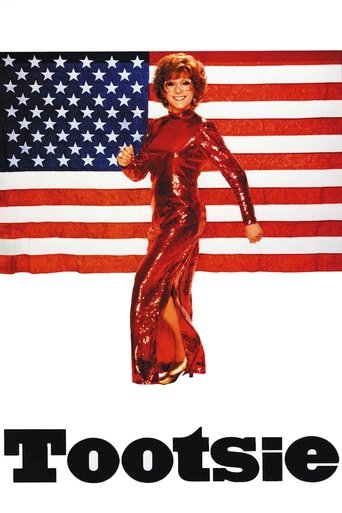
- Genre: Comedy, Romance
- Director: Sydney Pollack
- Year: 1982
- Runtime: 1h 56m
- Language: English (EN)
- TMDB Rating: ⭐ 7.2/10
Movie Overview
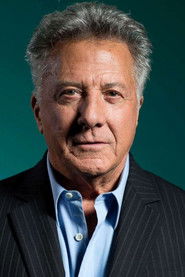
Michael Dorsey (Dustin Hoffman) is a New York actor so difficult to work with that no one will hire him. His agent delivers the brutal truth: 'You were a tremendous pain in the ass to work with.' Desperate, Michael does the unthinkable—he auditions for a soap opera role as Dorothy Michaels, a middle-aged feminist hospital administrator. And he gets it.
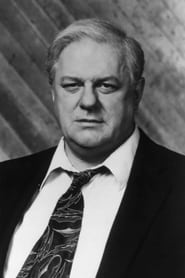
What starts as a con quickly spirals. Dorothy becomes a feminist icon on the show, while Michael falls for his co-star Julie (Jessica Lange). The problem? Julie thinks Dorothy is her closest friend. Meanwhile, Julie's widowed father (Charles Durning) starts falling for Dorothy too.
The film's genius lies in how Michael's deception forces him to actually listen to women. As Dorothy, he experiences the casual sexism his female friends described but he never truly understood. There's a hilarious yet pointed scene where Dorothy schools the soap's director on how her character would realistically react to being manhandled.
By the time the house of cards collapses, Michael isn't the same person who put on the wig. And neither is anyone around him.
Direction & Cinematography
Sydney Pollack, better known for dramatic work like The Way We Were, shows unexpected lightness here. He keeps the farcical premise grounded—notice how Dorothy's makeup looks slightly off, not glamorous. It reminds us this is a man playing dress-up, not some magical transformation.
Pollack's background in acting (he plays Michael's exasperated agent) informs the theater scenes. The soap opera set feels authentically cheap, with its wobbly sets and melodramatic line readings. You can almost smell the hairspray.
But the film drags slightly in the middle act once the initial premise is established. Pollack lingers too long on some workplace comedy bits that don't advance the story. Still, when the emotional beats land—like Julie confiding in Dorothy about her trust issues—they hit hard.
Cast & Performances
Hoffman makes Dorothy more than a caricature. Watch how his posture changes—shoulders hunched forward, hands constantly adjusting the wig like it might betray him. His voice stays in a believable alto range, not a falsetto parody. It's a fully realized performance within a performance.
Jessica Lange won an Oscar as Julie, and it's easy to see why. She plays the soap star's vulnerability without making her pathetic. When she tells Dorothy 'I feel safe with you,' you believe every word—which makes the eventual reveal land like a gut punch.
Teri Garr steals scenes as Michael's neurotic friend Sandy. Her manic energy in the 'You slut!' monologue should feel over-the-top, but she finds the real pain underneath. Dabney Coleman, meanwhile, plays the sexist soap director exactly at the right level of cartoonishness—obnoxious but never unbelievable.
Character Psychology
Michael thinks he just needs a job. What he actually needs is to stop being selfish. His entire life—his strained friendships, his failed relationships—stems from seeing everything as a means to his own ends.
Dorothy forces him to care about someone else's problems for the first time. The irony? He can only become a better man by pretending to be a woman.
Themes & Emotional Depth
At its core, Tootsie is about the gap between performing and being. Michael thinks acting is about fooling people, but Dorothy teaches him it's about truth. The soap opera setting isn't accidental—it mirrors how we all perform versions of ourselves.
The film also sneakily critiques male privilege. Michael only understands sexism when he experiences it firsthand. There's a telling moment where Julie vents about men, and Dorothy (Michael) reflexively defends his gender before catching himself.
Memorable Scenes & Dialogue
The audition scene kills me every time. Michael, sweating under the wig, improvises Dorothy's backstory on the spot while the casting directors eat lunch over her resume. Hoffman's darting eyes and strained smile sell the panic of a man realizing this might actually work.
Later, there's a perfect silent beat when Julie hugs Dorothy goodbye. Hoffman's face shows Michael realizing two terrible things at once: he's fallen for her, and she's hugging someone who doesn't exist.
The Ending — Does It Deliver?
The reveal scene works because it's not played for broad comedy. Julie's devastation feels real—Lange lets us see the betrayal register slowly. Michael's confession on live TV could've been cartoonish, but Hoffman plays it painfully sincere.
What stayed with me is the bittersweet resolution. Some relationships can't be fixed, even after apologies. The final shot of Michael walking away, wiser but alone, lands harder than a tidy happy ending would have.
What Works
Hoffman's transformation avoids cheap laughs—Dorothy feels like a real person, which makes the comedy land harder. The script's farce mechanics are flawless, with every lie creating three new problems. Lange and Garr provide emotional ballast that keeps the silliness from overwhelming the story. And that wardrobe—Dorothy's frumpy blouses and sensible shoes tell us everything about how Michael sees women.
Honest Criticism
The subplot with Julie's father (Durning) feels undercooked. His romantic pursuit of Dorothy leans too far into cringe without payoff. Some of the soap opera parodies haven't aged well—younger viewers might not get how spot-on they were for 1982. And Michael's playwright roommate exists mostly to deliver exposition.
How It Compares
Compared to other gender-bending comedies like Some Like It Hot, Tootsie feels less zany but more psychologically acute. It lacks the visual flair of Blake Edwards' Victor/Victoria, but its New York grime feels authentic.
Where it surpasses modern imitators is in its emotional stakes. This isn't just 'man learns lesson'—we feel every messy consequence of Michael's deception.
Legacy & Cultural Impact
Nominated for 10 Oscars (including Best Picture), it won Best Supporting Actress for Lange. The $177 million gross made it 1982's second highest earner after E.T.—unheard of for an R-rated comedy.
Its influence echoes in everything from Mrs. Doubtfire to Transparent. The script still tops writers' polls for its airtight structure and character work.
Behind the Scenes
Hoffman insisted Pollack play his agent after another actor dropped out. Pollack hated acting but gave the role his signature grumpy charm.
The famous 'I was a better man with you as a woman' line was ad-libbed by Hoffman during rehearsal and kept in.
Who Should Watch It?
Fans of smart 80s comedies like Broadcast News will love this. It's also essential for anyone interested in gender performance on screen. Viewers who can't handle cringe humor or dated references might struggle.
Final Verdict
Tootsie earns its classic status by being funnier and wiser than most comedies dare to be. The 8.2 rating reflects how well the premise holds up—this isn't just a museum piece. Watch it for Hoffman's masterclass in physical comedy, but stay for the unexpectedly moving portrait of a man outgrowing his own ego. That final walk down the street says more about change than any speech could.
More details, ratings, and cast information on IMDb, TMDB, Wikipedia. YouTube