- 1Movie Overview
- 2Direction & Cinematography
- 3Cast & Performances
- 4Character Psychology
- 5Themes & Emotional Depth
- 6Memorable Scenes & Dialogue
- 7The Ending — Does It Deliver?
- 8What Works
- 9Honest Criticism
- 10How It Compares
- 11Legacy & Cultural Impact
- 12Behind the Scenes
- 13Who Should Watch It?
- 14Final Verdict
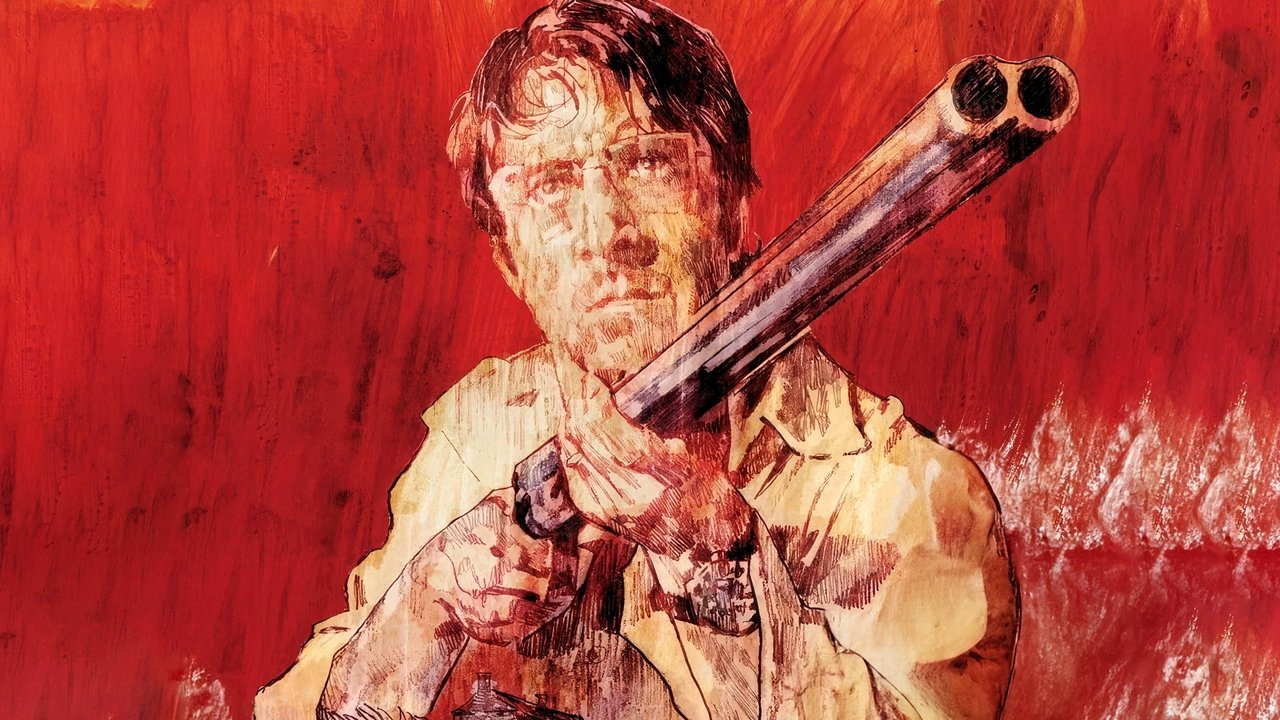
- Genre: Thriller, Drama, Crime
- Director: Sam Peckinpah
- Year: 1971
- Runtime: 1h 56m
- Language: English (EN)
- TMDB Rating: ⭐ 7.2/10
Movie Overview
David Sumner, an American mathematician played by Dustin Hoffman, moves with his British wife Amy to her rural hometown in Cornwall. He wants peace to work on his equations. She wants to reconnect with familiar faces—including Charlie, the local laborer who clearly still has feelings for her.
The villagers treat David with mocking contempt from day one. They see his intelligence as weakness, his reluctance to drink at the pub as arrogance. What starts as passive-aggressive jabs—like leaving a dead rabbit in their closet—escalates into something far darker when Amy is assaulted while David obliviously searches for their lost cat.
Peckinpah lets the tension build in almost unbearable increments. That cat hunt sequence lasts nearly 10 minutes, cross-cutting between David's oblivious wandering and the horror unfolding at home. By the time the final siege begins, you realize every slight and provocation has been leading here.
What stayed with me after the credits: how quickly intellectual David discovers he's capable of the same violence he despises.
Direction & Cinematography
Sam Peckinpah films violent men like anthropologists observing a doomed species. The pub scenes early on feel documentary-real—notice how the camera lingers on empty glasses and calloused hands while the villagers taunt David.
But what surprised me most was the restraint in certain scenes. When Amy is assaulted, Peckinpah cuts away to a slow zoom on the bedroom window curtains blowing in the wind. It's more disturbing than showing everything.
That said, the pacing wobbles in the middle section. Some of David’s academic musings about apes and aggression could’ve been trimmed. Still, when the siege finally comes, Peckinpah makes every shotgun blast and improvised trap feel horrifically inevitable.
Cast & Performances
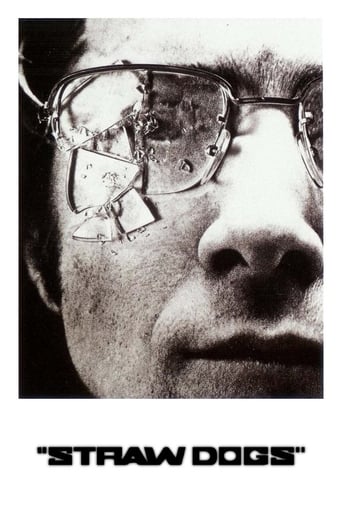
Dustin Hoffman plays David as someone constantly adjusting his glasses—both literally and metaphorically. Watch how his posture changes after the assault scene: shoulders hunched, jaw clenched. That final shot of him almost smiling? Chilling.
Susan George’s Amy is more complicated than she first appears. Her flirtation with Charlie early on isn’t just teasing—there’s real loneliness when she tells David 'you wouldn’t fight for me.' But the script shortchanges her perspective after the assault.
Del Henney’s Charlie seems like a standard bully at first, until the scene where he cries after assaulting Amy. Peckinpah always finds these moments where his villains briefly become human.
Character Psychology
David thinks he wants peace and quiet to solve equations. What he actually needs is to prove—to himself most of all—that he isn't weak.
The terrible irony? He only discovers his capacity for violence when defending the very men who brutalized his wife.
Themes & Emotional Depth
This isn’t really about city vs. country or brain vs. brawn. Peckinpah’s showing us how thin the veneer of civilization is. That chessboard David carries around? It’s as much a weapon as the shotgun he eventually wields.
The most damning moment comes when David protects the village idiot who murdered a local girl. His moral lines aren’t drawn where he thought—they’re drawn around whoever happens to be on 'his side' in the moment.
Memorable Scenes & Dialogue
The assault scene works precisely because of what Peckinpah doesn’t show. We hear Amy’s choking sobs while the camera studies the curtains. It forces us to imagine the worst.
Later, when David finally snaps, watch how he methodically turns his house into a fortress. He boards up windows with the same precision he’d use to solve an equation. The intellect turned toward destruction is terrifying.
And that final line—'I got ’em all'—delivered with something like pride. Hoffman makes it sound like David’s just completed a particularly difficult proof.
The Ending — Does It Deliver?
The siege absolutely earns its place. Every slight from earlier pays off—even the broken car horn David ignored becomes a weapon. What surprised me was how little catharsis it provides.
That final shot haunts me. David’s slight smile suggests he’s found something in himself he didn’t know existed. Whether that’s good or bad is left chillingly ambiguous.
What Works
Hoffman’s transformation from meek academic to ruthless defender is astonishing in its specificity. Watch how he adjusts his glasses differently after the assault scene. The sound design during the siege—every creaking floorboard matters. And that final shot lingers like a bad dream you can’t shake.
Honest Criticism
The middle section drags whenever we’re stuck with David’s academic musings. Amy becomes more symbol than character after the assault—we never get her perspective on what happened. And the village idiot subplot feels like one provocation too many.
How It Compares
If Deliverance asked what happens when civilized men encounter primal violence, Straw Dogs asks what happens when they discover it within themselves. Peckinpah’s film is messier than Boorman’s—the middle sags—but its ending leaves deeper scars.
Compared to Peckinpah’s own The Wild Bunch, this feels more personal. There’s no romanticism here, just the grim recognition that we all have cages inside us waiting to be opened.
Legacy & Cultural Impact
Straw Dogs caused protests upon release for its sexual violence. The BBFC banned cuts until 2002. Ironically, time has proven Peckinpah right—the film’s power comes precisely from not sensationalizing that violence.
It influenced everything from Taxi Driver to Home Alone (seriously—watch John Hughes’ film as a dark companion piece). But few films since have dared to be this uncompromising about male aggression.
Behind the Scenes
The famous bear trap scene used real steel traps—Hoffman insisted on the authenticity. Peckinpah nearly got arrested for discharging firearms during filming without permits. Susan George later said she regretted aspects of her performance, feeling it played into misogynistic tropes.
Who Should Watch It?
Fans of uncompromising 70s cinema will find much to dissect here. Those sensitive to sexual violence should absolutely avoid it. It’s not an 'entertaining' watch—it’s a surgical examination of male aggression.
Final Verdict
Straw Dogs deserves its reputation as one of Peckinpah’s most disturbing films. I’d rate it an 8.2—flawed but unforgettable. The direction is too uneven for perfection, but Hoffman’s performance and that final act elevate it. See it once to understand why it still sparks debate 50 years later. Then decide if you ever want to see it again.
More details, ratings, and cast information on IMDb, TMDB, Wikipedia. YouTube