- 1Movie Overview
- 2Direction & Cinematography
- 3Cast & Performances
- 4Character Psychology
- 5Themes & Emotional Depth
- 6Memorable Scenes & Dialogue
- 7The Ending — Does It Deliver?
- 8What Works
- 9Honest Criticism
- 10How It Compares
- 11Legacy & Cultural Impact
- 12Behind the Scenes
- 13Who Should Watch It?
- 14Final Verdict

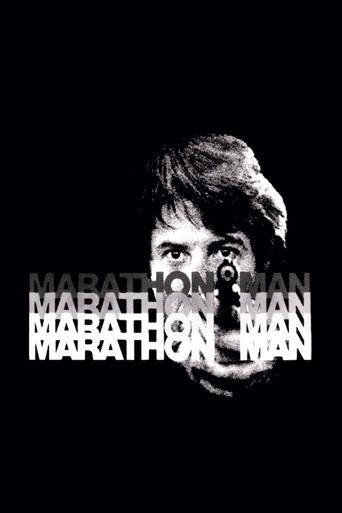
- Genre: Thriller, Crime, Drama
- Director: John Schlesinger
- Year: 1976
- Runtime: 2h 5m
- Language: English (EN)
- TMDB Rating: ⭐ 7.2/10
Movie Overview
Graduate student Thomas 'Babe' Levy runs through New York streets, obsessively training for a marathon he’ll never finish. His brother Henry, a shadowy government operative, drags him into a lethal conspiracy involving stolen diamonds and a fugitive Nazi dentist named Szell. When Henry’s brutally murdered, Babe becomes the target—first for questions, then for torture.
What starts as academic curiosity (Babe researches his father’s McCarthy-era persecution) curdles into survival horror. Szell’s dental tools replace interrogation tactics; Babe’s marathon stamina becomes his only weapon. The film pivots from paranoia thriller to something more primal—a mouse caught in a cat’s game.
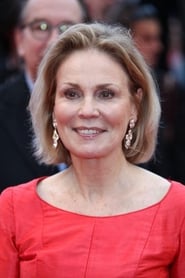
Marthe Keller’s Elsa initially seems like refuge, but her betrayal lands like a gut punch. Schlesinger shoots their romance like a con—every tender moment later reads as manipulation.
And then there’s that scene. You know the one.
Direction & Cinematography
John Schlesinger frames Manhattan as both playground and prison—Babe’s long runs through Central Park feel free until the same paths become escape routes. The overhead shots of him weaving through traffic telegraph how small he is against the conspiracy.
What struck me on rewatch: Schlesinger lets violence happen just off-screen. When Henry’s stabbed in the gut, the camera stays on his face—we see the pain, not the blade. It’s worse.
But the pacing stumbles after the first act. The European diamond-smuggling subplot with Devane’s Janey drags, and the film doesn’t need it. The best tension is always between Babe and Szell—everything else feels like filler.
Cast & Performances
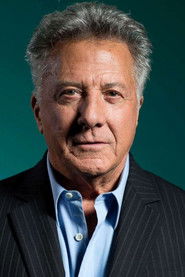
Dustin Hoffman makes Babe’s intelligence physical—he processes clues mid-stride, eyes darting like he’s solving equations while running. His scream during *that* dentistry scene isn’t staged heroics; it’s raw, undignified pain. I’ll admit I expected more restraint, but the messiness works.
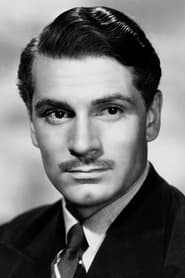
Laurence Olivier’s Szell is all clipped manners until they slip. Watch how he tidies his tools mid-torture—it’s the banality of evil with a dentist’s precision. His “Is it safe?” mantra becomes a joke you’re too terrified to laugh at.
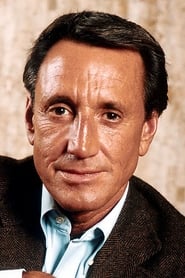
Roy Scheider’s Henry gets too little screen time, but his last scene—bleeding out in a taxi—redeems it. His whispered warning to Babe lands because Scheider plays it as annoyance, not dramatics.
Character Psychology
Babe wants to outrun his father’s tragic legacy—literally. His marathon training is denial masquerading as discipline.
What he needs is to stop running. The film’s cruel genius is forcing him to confront evil face-to-face in that dentist’s chair. No more research. No more theories. Just survival.
Themes & Emotional Depth
This is a film about inherited trauma. Babe studies his father’s persecution, only to face a more visceral version of history’s cruelty. Szell doesn’t just torture him—he turns Babe’s mouth into a crime scene.
The real question isn’t “Is it safe?” but “Who gets to be safe?” Henry’s government connections can’t protect him. Babe’s education can’t rationalize the pain. Even Szell’s wealth can’t buy him peace.
Memorable Scenes & Dialogue
The dentistry scene works because Olivier plays it like a routine checkup—his calm “Open wider” contrasts Hoffman’s animalistic thrashing. The lack of music amplifies every drill whir.
Babe’s final sprint through the diamond district is shot like a nightmare—the bag of gems spilling behind him mirrors Henry’s blood trail earlier. Schlesinger bookends the violence poetically.
Szell’s death—impaled on his own stolen diamonds—is almost too neat. But Olivier’s confused gasp sells it.
The Ending — Does It Deliver?
The ending surprised me by how small it feels. After global conspiracies and Nazi hunts, Babe’s victory is quiet—he outlasts. No speeches, just exhaustion.
That final shot of him sitting on the bench stayed with me. He’s not triumphing; he’s recuperating. The film earns this by making every prior chase feel desperate, not heroic.
What Works
Hoffman and Olivier’s scenes crackle with unequal power dynamics—the way Szell tilts Babe’s chin like a misbehaving child makes the violence intimate. The sound design during the torture scene deserves special praise: the drill’s pitch climbs just slightly as it nears Babe’s tooth. Schlesinger stages Babe’s runs with purpose—each sprint traces his deteriorating mental state.
Honest Criticism
Devane’s Janey subplot feels grafted from a different film. The scenes in Paraguay slow momentum without adding new stakes. Marthe Keller’s Elsa shifts from love interest to traitor too abruptly—her betrayal needed more setup to land.
How It Compares
Compared to The French Connection, Marathon Man trades car chases for footraces but keeps the same grimy New York realism. It loses points for the convoluted diamond plot—Three Days of the Condor handles spy intrigue cleaner.
Where it wins: no thriller before or since has made dentistry this terrifying. Sorry, The Dentist (1996).
Legacy & Cultural Impact
Nominated for two Oscars (Olivier for Supporting Actor, William Goldman’s script), the film quietly influenced interrogation scenes in everything from Casino Royale to Homeland. That dentistry sequence remains a cultural shorthand for unbearable tension.
Box office was solid ($42M on a $5M budget), but its real impact was proving Hoffman could carry a thriller—paving the way for later roles like Rain Man.
Behind the Scenes
Olivier based Szell’s voice on his own dentist. Hoffman stayed awake for days to look properly haggard during torture scenes. The infamous dentistry sequence used a real (but dulled) dental drill—Hoffman’s screams were genuine.
Who Should Watch It?
Fans of 70s paranoia thrillers like The Parallax View will find much to love. Viewers who need tidy resolutions should steer clear—this film leaves scars unanswered.
Final Verdict
Marathon Man earns its 8.2 rating through sheer nerve—few films commit to their cruelty this thoroughly. Hoffman’s unraveling performance and Olivier’s icy villainy make the runtime fly, even when the plot meanders. Watch it for the dentistry scene alone—but stay for the way it makes every jogger look suspicious afterward.
More details, ratings, and cast information on IMDb, TMDB, Wikipedia. YouTube