- 1Movie Overview
- 2Direction & Cinematography
- 3Cast & Performances
- 4Character Psychology
- 5Themes & Emotional Depth
- 6Memorable Scenes & Dialogue
- 7The Ending — Does It Deliver?
- 8What Works
- 9Honest Criticism
- 10How It Compares
- 11Legacy & Cultural Impact
- 12Behind the Scenes
- 13Who Should Watch It?
- 14Final Verdict

- Genre: Music, Drama
- Director: Michael Gracey
- Year: 2024
- Runtime: 2h 15m
- Language: English (EN)
- TMDB Rating: ⭐ 7.6/10
Movie Overview
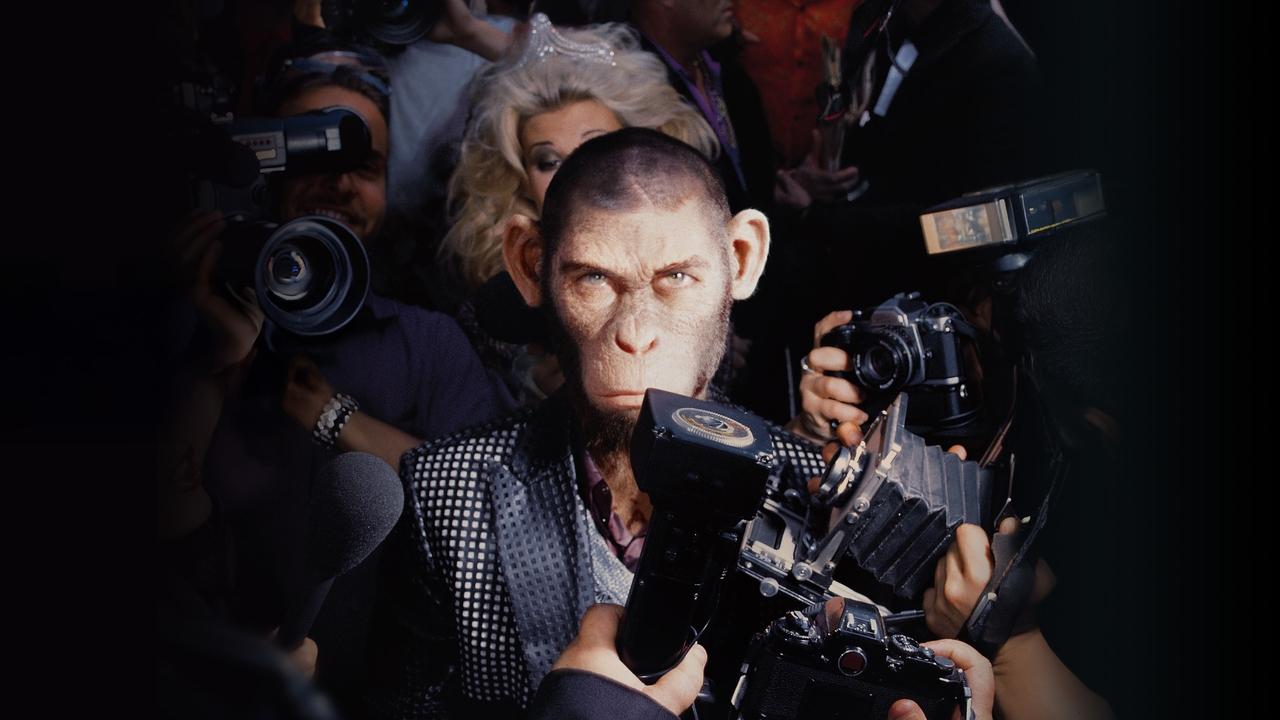
Better Man invites viewers into the tumultuous life of Robbie Williams, played by Jonno Davies, from his early days in the boyband Take That to his explosive solo career. The film begins with his childhood, showcasing the excitement and pressures of fame as Williams navigates a world filled with glitz, but also danger. As the story unfolds, it contrasts his thrilling rise to stardom with the deep emotional struggles that accompany it, especially as his relationships begin to falter. The heart of the film lies in Robbie's quest for acceptance, both from others and himself, leading to moments of introspection that feel deeply relatable.
But the narrative doesn't shy away from the darker aspects of fame. As Robbie begins to grapple with addiction and self-doubt, it’s clear that his pursuit of success is intertwined with a desperate need for validation. A standout scene occurs during a particularly emotional concert, where his performance feels both exhilarating and haunting. It’s here that viewers start to realize the cost of his fame, and what stays with me after the credits is the stark contrast between his public persona and private pain.
Importantly, the film does well to balance these moments with the joy that music brings him. The production numbers are vibrant, energetic, and filled with nostalgia, highlighting the highs of his life while keeping the viewer aware of the inevitable lows. I kept waiting for a deeper exploration of his relationships, especially with fellow band members, but I was left wanting more. Each character feels designed to reflect Robbie’s journey, yet some of their arcs lack the depth I hoped to see.
Overall, Better Man paints a compelling portrait of an artist's journey, rich with ups and downs, but it occasionally leans too heavily on familiar tropes of the biopic genre. The emotional highs are palpable, yet I found the pacing uneven at times, especially in the second act, where some scenes felt like padding rather than necessary storytelling.
Direction & Cinematography
Director Michael Gracey, known for orchestrating the vibrant energy of The Greatest Showman, brings a distinct flair to Better Man, though sometimes his style might overshadow the narrative. One shot that struck me was during Robbie's first major performance; the camera spins around him, capturing the frenzy of the crowd, immersing the audience in the electrifying atmosphere. However, this technique, while visually engaging, sometimes feels excessive, as the film often relies on spectacle rather than deepening character relationships.
And the pacing varies throughout the runtime. Early sequences engage with Robbie's rise, but certain segments linger too long on superficial moments, such as his various relationships, which could have been explored in more depth. I noticed a drop in momentum in the second act, particularly when focusing on shallow romantic interests that didn’t significantly contribute to Robbie’s character arc.
Gracey's handling of the music scenes is a highlight, blending performances with emotional narrative beats seamlessly. However, he sometimes slows down the journey too much, making the film feel longer than its 135 minutes. It left me wondering if tighter editing might have enhanced the overall impact, allowing for more emotional punch in key moments.
Cast & Performances
Jonno Davies as Robbie Williams delivers a physical performance that captures the essence of a man constantly in flux. His smile dazzles during upbeat numbers, yet in quieter moments, there's a palpable tension; a subtle tightness around his eyes that hints at deeper sorrow. I was surprised by how well Davies navigates mood shifts, effortlessly moving from exuberance to despair, but I felt he could have leaned further into the emotional weight of Robbie's struggles.
Robbie Williams, in a semi-autobiographical role, lends his own charm and depth, particularly during moments of vulnerability. His interactions with Jonno Davies add layers, making the audience feel the generational shift in both talent and the burden of fame. However, it bothered me slightly that some supporting characters were significantly underwritten, like Steve Pemberton's portrayal of a bandmate who disappears halfway through, leaving a void in the narrative.
Alison Steadman provides a solid performance as Robbie's supportive yet overwhelmed mother. In one poignant scene, her tearful encouragement amidst Robbie's darkest moment showcased the emotional stakes perfectly, reminding us that fame often alienates those closest to us. Her reactions ground the film, but I kept waiting for her character to have a more active role in shaping Robbie’s journey, an opportunity that feels missed.
Character Psychology
Robbie Williams yearns for acceptance and love from those around him, as well as from himself; his fame amplifies this desire while simultaneously creating barriers. Despite his success, he grapples with inner demons — addiction, self-doubt, and loneliness. His journey reflects a universal search for identity amidst overwhelming expectations.
What struck me is that while Robbie seems unaware of how fame distorts his relationships, he’s constantly at war with himself. He ultimately craves genuine connection, but his inability to prioritize it leads to devastating choices. The film presents a complex character who, while achieving great heights, remains trapped in a cycle of seeking fulfillment yet finding emptiness.
Themes & Emotional Depth
Beneath the personal story of fame lies a deeper commentary on identity and the cost of success. A pivotal moment occurs when Robbie confronts his addiction, realizing that the things he thought would fulfill him only lead to greater isolation. It speaks to the struggle many face when grappling with external validation versus internal happiness.
Moreover, the film delves into the idea of friendship. The dynamics within Take That reflect the tension between camaraderie and competition. This duality is symbolized in a scene where Robbie’s solo success is celebrated by fans but resented by his bandmates, underscoring how success can fracture relationships, especially among those who once shared dreams.
Memorable Scenes & Dialogue
One remarkable scene unfolds during a live concert when Robbie breaks down while singing 'Angels.' The staging is simple yet powerful, with close-ups that capture the raw emotion on his face, allowing the audience to feel his pain. This moment highlights how music serves as both an escape and a reflection of one’s internal turmoil.
Another memorable moment occurs during a flashback to his childhood, where young Robbie, played by a younger actor, practices his singing in front of a mirror. The innocence of this scene contrasts starkly with the chaos of his later life, effectively setting the tone for his tragic arc. The use of lighting here is particularly effective, bathing him in a warm glow that symbolizes hope, playing beautifully against the later darkness he faces.
The Ending — Does It Deliver?
The film's climax arrives during an intense confrontation between Robbie and his manager, where the stakes of fame and personal sacrifice are laid bare. The tension culminates with a surprising revelation that shifts Robbie's perspective, making the ending feel earned. I was genuinely shocked by how the culmination of his struggles leads to a moment of clarity rather than a fairy tale resolution.
What stayed with me after the credits was the emotional weight of the final shot, where Robbie stands under a spotlight alone, symbolizing both his achievements and his isolation. It’s a haunting image that encapsulates his journey, evoking empathy as one ponders the high price of fame and success.
What Works
The concert scenes in Better Man are a highlight, especially with the energy captured during Robbie's performances. The interactions between Jonno Davies and Alison Steadman create an emotional anchor, particularly in moments where motherly love clashes with the chaos of fame. The cinematography shines during Robbie's breakdowns, emphasizing emotional depth through various angles and lighting choices that elevate the narrative’s tension.
Honest Criticism
However, it bothered me slightly that some subplots felt rushed. For instance, the film introduces key relationships, like Robbie's with his bandmates, but quickly glosses over their impact, leaving viewers needing more context. This leaves several characters feeling underdeveloped, diminishing their emotional weight in Robbie's story. Additionally, the romantic arcs don’t resonate as strongly as intended, feeling like mere distractions from the main narrative.
How It Compares
Better Man draws comparisons to films like Rocketman and Bohemian Rhapsody, both of which explore the lives of iconic musicians. However, where Rocketman dives deeper into the fantastical elements of Elton John's life, Better Man opts for a more grounded yet still stylized approach. It wins in offering a raw, honest portrayal of the psychological struggles behind the music, though it sometimes falters in pacing and character development compared to the punchy storytelling of Bohemian Rhapsody.
What sets Better Man apart is its focus on the friendship dynamics within a band, providing a fresh angle on the biopic genre. Yet, it occasionally lacks the dramatic highs that make other musical biographies so engaging, making it feel a bit muted in comparison at times.
Legacy & Cultural Impact
With a TMDB rating of 7.6/10 and positive critical reception, Better Man has carved a niche among music biopics in recent cinema. It touches on how pop culture figures navigate fame and the toll it takes on their identities. While it may not be as commercially explosive as others, it stands as a relevant commentary on mental health in the music industry, sparking conversations surrounding the darker side of fame, something increasingly echoed in modern discussions around celebrity culture.
Behind the Scenes
Interestingly, before casting Jonno Davies as Robbie, the filmmakers considered a range of younger actors who could depict his evolution from boyband singer to solo artist. Additionally, Robbie Williams was heavily involved in the script development, suggesting key moments from his life that would resonate with audiences. Some scenes were shot in front of live crowds, capturing the real reactions of fans, which added authenticity to the concert sequences.
Who Should Watch It?
Fans of music biopics and Robbie Williams' music will likely enjoy this film, as it delves into the highs and lows of his life. However, those looking for a tightly paced narrative or in-depth character exploration may find it lacking and should probably skip it. The film skews toward a more casual viewing experience, prioritizing musical moments over intense drama.
Final Verdict
Better Man offers an engaging look at Robbie Williams’ complex journey through fame, balancing vibrant musical performances with a personal story. While it has pacing issues and underdeveloped subplots, it still delivers an emotional punch through its exploration of identity and the cost of success. I'd recommend it for fans of Williams or anyone interested in the intricacies of life as a performer, but those seeking a tightly woven narrative may want to look elsewhere.
More details, ratings, and cast information on IMDb, TMDB, Wikipedia. YouTube