- 1Movie Overview
- 2Direction & Cinematography
- 3Cast & Performances
- 4Character Psychology
- 5Themes & Emotional Depth
- 6Memorable Scenes & Dialogue
- 7The Ending — Does It Deliver?
- 8What Works
- 9Honest Criticism
- 10How It Compares
- 11Legacy & Cultural Impact
- 12Behind the Scenes
- 13Who Should Watch It?
- 14Final Verdict

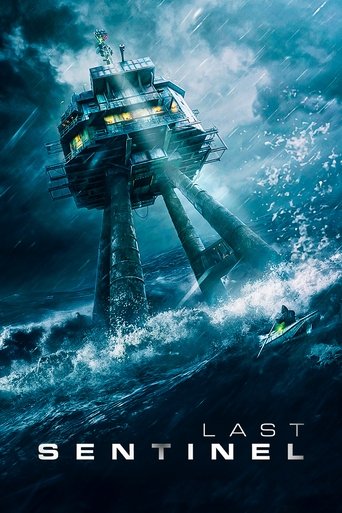
- Genre: Science Fiction, Thriller
- Director: Tanel Toom
- Year: 2023
- Runtime: 1h 52m
- Language: English (EN)
- TMDB Rating: ⭐ 5.4/10
Movie Overview
Last Sentinel opens with a gripping hook: four soldiers, all weary and on edge, man a desolate military outpost in an oceanic wasteland. Their tour ended months ago, yet the promised relief team has failed to arrive, leaving them trapped between the unknown and their fraying sanity. The central characters — led by Kate Bosworth as the steadfast Sergeant Pruitt — begin to question not just the validity of their mission but also the loyalty they owe to each other. As tensions build, paranoia creeps into every crevice of their interactions, leading to explosive confrontations that reveal their deepest fears.
Lucien Laviscount portrays Corporal Smith, whose youthful bravado masks an ever-growing anxiety about their dire situation. He clashes with Martin McCann's Sergeant Kelly, a hardened soldier whose coping mechanisms include isolation and stoicism. The film skillfully develops their complex relationships, where small moments of vulnerability stand out. For example, the quiet exchanges during their limited downtime become charged with unsaid words, hinting at the emotional stakes.
As they face dwindling supplies and increasing uncertainty, their fragile camaraderie devolves into hostility. Tanel Toom pulls no punches when it comes to examining the psychological toll of their isolation. The film drives home the reality of war not just through external conflict but through the internal battles that rage among the soldiers. Here, the real enemy isn't just the distant threat of war; it's the decay of trust and humanity.
By the final act, the cracks in their relationships widen, and their choices lead to devastating consequences. I kept waiting for a grand resolution, and while the film offers a resolution of sorts, it’s hauntingly ambiguous, leaving viewers to reflect on the true cost of survival — both physically and psychologically.
Direction & Cinematography
Tanel Toom's direction in Last Sentinel emphasizes claustrophobic tension and character-driven storytelling. One standout shot occurs early in the film when the camera lingers on the ocean, creating a stark contrast between the vast emptiness of their surroundings and the soldiers' internal struggles. The pacing is deliberate, with moments of calm that enhance the impending dread, allowing viewers to fully appreciate the psychological weight carried by the characters.
What struck me most was how Toom uses silence to amplify the tension. In key scenes, dialogue is sparse, forcing the audience to focus on the characters’ faces and body language. This choice enhances the feeling of isolation and heightens the emotional stakes, particularly in a pivotal moment when Pruitt stares blankly at her comrades during a moment of shared vulnerability. But there are times when the pacing drags, especially in the middle act when the film seems to linger a bit too long on their mundane tasks — it bothered me slightly that this could have been trimmed for tighter storytelling.
Toom also plays with lighting and shadows to evoke mood; the flickering light of their base adds an unsettling quality, making it feel as if the structure itself is an unreliable sanctuary. This choice reinforces the sense that they’re not just fighting against external enemies but also against the darkness within themselves. The tone is expertly managed, balancing moments of tension with flashes of introspection, making the viewer feel the weight of their isolation keenly.
Cast & Performances
Kate Bosworth delivers a layered performance as Sergeant Pruitt, embodying both strength and fragility. There’s a scene where she breaks down in frustration, her voice trembling as she questions their mission. This vulnerability feels authentic and represents the emotional crux of her character. However, I’ll admit I didn’t expect her to be the emotional anchor; she often shines in action roles, but here she shows real depth.
Lucien Laviscount’s Corporal Smith offers a compelling counterpoint to Pruitt, showcasing youthful energy mixed with palpable fear. In an early scene where he jokes to lighten the mood, the laughter feels forced and desperate, revealing his internal turmoil. His physical choices, such as fidgeting or pacing, reflect his anxiety, effectively communicating the fragility of his mental state. Martin McCann as Sergeant Kelly has a more stoic presence, but his performance is underscored by subtle expressions that reveal his deepening despair.
The supporting cast, including Thomas Kretschmann, adds to the overall tension, with each character representing different responses to their dire circumstances. Kretschmann’s turn as the more seasoned soldier is a familiar trope, but he manages to inject nuances that keep it from feeling cliché. That said, at times, the ensemble feels underwritten, with potential storylines that don’t fully develop, particularly concerning their backstories — which left me wanting more context.
Character Psychology
Pruitt’s surface desire is to simply survive and ensure the safety of her team. Beneath that, she struggles with self-doubt and the burden of leadership. It’s evident in her interactions, where she desperately tries to maintain morale while battling her growing paranoia. Ultimately, she craves connection, yet feels increasingly isolated.
As the film progresses, Pruitt becomes more aware of her psychological state, but it’s a painful realization that doesn’t offer her peace. She grapples with her needs throughout, but the film concludes without resolution, emphasizing the often unrelenting nature of such trauma. The journey is as much about losing control as it is about navigating the chaos of survival.
Themes & Emotional Depth
Isolation and trust are at the core of Last Sentinel, conveyed through the soldiers' deteriorating relationships. The scenes where they share meals turn into moments of suspicion rather than camaraderie highlight how fear can corrode even the strongest bonds. When Pruitt attempts to foster unity, her efforts are met with resistance, showcasing how isolation breeds distrust.
Another theme is the illusion of control in dire circumstances. As the soldiers attempt to manage their environment, they realize their power is limited. The way the ocean surrounds them serves as a metaphor for their entrapment — they are physically stuck, but their minds become prisoners to paranoia. This disconnect between their desires and reality resonates long after the film ends.
Memorable Scenes & Dialogue
One scene stands out when the soldiers conduct a routine check of their communications. The tension escalates as they realize they haven’t heard from anyone in weeks, and their dialogue shifts from casual banter to frantic questioning. The sudden shift in tone effectively uses sound design; the crackle of static is haunting, encapsulating their growing fear and desperation.
Another memorable moment occurs during a storm when the soldiers huddle together for warmth. The cinematography here captures their vulnerability against the raging ocean outside. The physical closeness contrasts with their emotional distance, highlighting their fractured relationships and the impending chaos. In these moments, the craft really elevates the narrative, pulling the audience into their turmoil.
The Ending — Does It Deliver?
The climax arrives as tensions boil over, and the soldiers confront their feelings of betrayal and isolation. What surprised me most was how the film doesn't take a conventional route — there's no tidy resolution or heroic moment. Instead, it feels like a reflection on the futility of their situation, echoing the harsh truths of war.
The final shot lingers on Pruitt, her face etched with a mix of grief and determination. It leaves you with an unsettling feeling, as if you’re left in the aftermath of battle without clear answers. That ambiguity works in the film's favor; it forces reflection on the complexities of human nature in crisis, making it hard to shake off even after the credits roll.
What Works
The tense atmosphere created through intentional pacing and sound design really elevates the film. The moments of silence amplify the characters' internal struggles, especially during scenes like the communication check. Bosworth’s nuanced performance adds depth, transforming a potentially one-dimensional character into a believable leader plagued with doubt. The visual contrasts between the vast ocean and their cramped living quarters effectively symbolize their isolation, creating a cohesive thematic experience.
Honest Criticism
Some character arcs feel underdeveloped, particularly the relationships among the supporting cast. For instance, the interactions between McCann’s Kelly and Kretschmann’s character could have been more fleshed out to enhance the tension. Their motivations sometimes come off as vague, which detracts from the overall emotional stakes of the story. This lack of depth left me wanting more clarity on their dynamics and contributed to some pacing issues in the second act.
How It Compares
Last Sentinel shares thematic elements with films like ‘Gravity’ and ‘The Thing’ but takes a different approach to build tension. Unlike ‘Gravity,’ which thrives on visual spectacle, Last Sentinel focuses on dialogue and character interactions to craft its suspense. However, it lacks the raw psychological horror present in ‘The Thing,’ making it feel a bit less impactful in its exploration of paranoia.
It wins in its intimate character studies but falls short when it comes to the pacing issues that can lead to lulls in the narrative. The character-focused approach brings depth, but it sometimes sacrifices the thrilling urgency that these comparable films manage to maintain.
Legacy & Cultural Impact
Though Last Sentinel hasn’t yet made a significant mark on the genre, it does tap into contemporary anxieties about isolation and distrust, resonating with current global sentiments. Its modest box office doesn’t reflect its thematic ambitions, yet it may pave the way for future explorations of psychological thriller elements in sci-fi settings. Established filmmakers might take note of its focus on character-driven narratives amidst chaos, which could influence upcoming projects in the genre.
Behind the Scenes
Kate Bosworth initially wasn't the first choice for the role of Pruitt, with casting decisions shifting until the last minute. Some scenes were filmed during a real storm, enhancing the authenticity of the setting. Additionally, there was a planned subplot involving the soldiers’ families back home that was cut due to runtime constraints, which would have added more emotional context to their isolation.
Who Should Watch It?
Fans of character-driven sci-fi thrillers will likely appreciate the introspective approach of Last Sentinel. However, those who prefer action-packed spectacles or clear-cut resolutions might want to sit this one out. It’s a film that rewards patience and careful observation rather than a straightforward narrative arc.
Final Verdict
Last Sentinel offers a compelling exploration of paranoia and isolation amid an unforgiving landscape. While it stumbles in pacing and character development, it ultimately succeeds in delivering a tense psychological journey. If you're looking for a thoughtful sci-fi thriller that challenges conventional storytelling, this film is worth watching. Otherwise, its slower moments might make it a pass for more action-oriented viewers.
More details, ratings, and cast information on IMDb, TMDB, Wikipedia. YouTube