- 1Movie Overview
- 2Direction & Cinematography
- 3Cast & Performances
- 4Character Psychology
- 5Themes & Emotional Depth
- 6Memorable Scenes & Dialogue
- 7The Ending — Does It Deliver?
- 8What Works
- 9Honest Criticism
- 10How It Compares
- 11Legacy & Cultural Impact
- 12Behind the Scenes
- 13Who Should Watch It?
- 14Final Verdict
- Genre: Action, Adventure, Fantasy
- Director: Roar Uthaug
- Year: 2018
- Runtime: 1h 58m
- Language: English (EN)
- TMDB Rating: ⭐ 6.4/10
Movie Overview
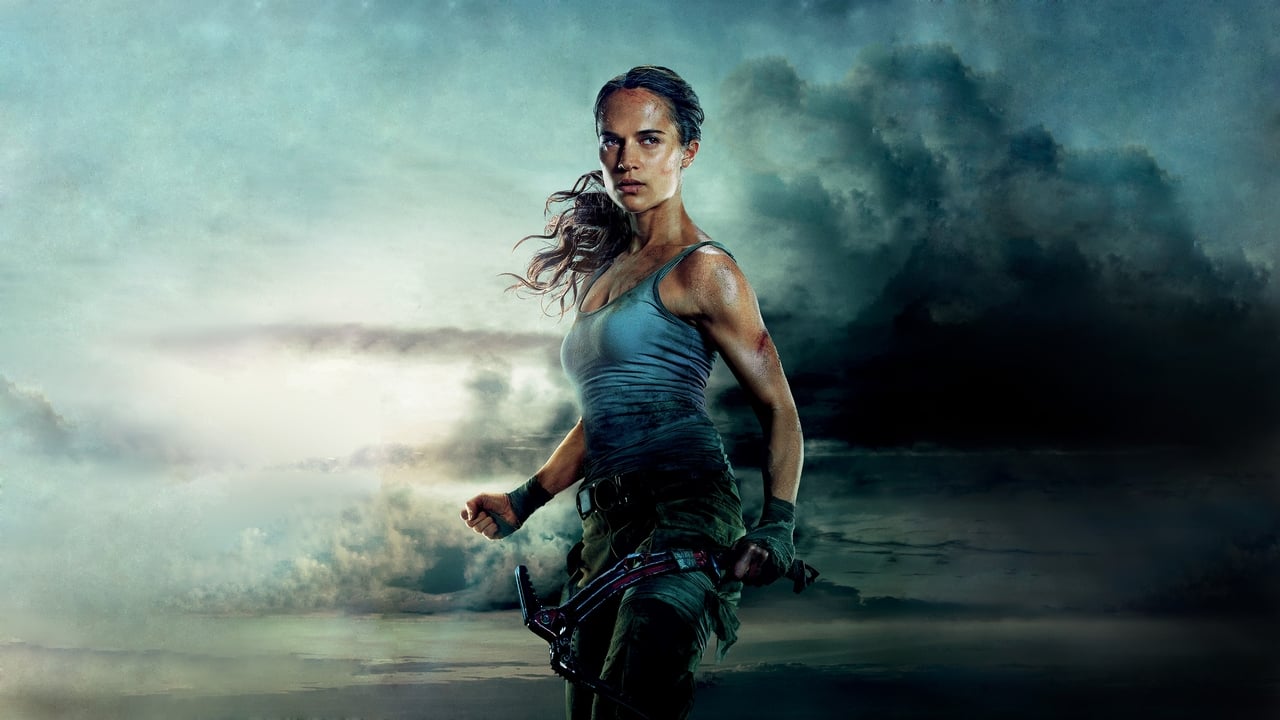
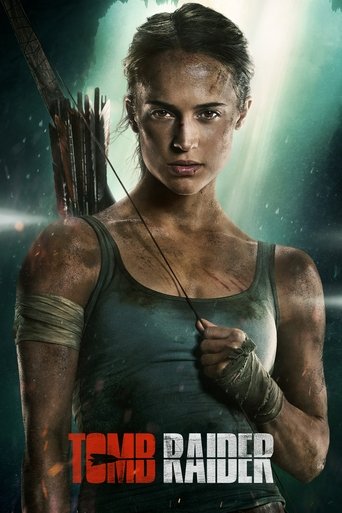
Lara Croft isn't raiding tombs yet when we meet her — she's delivering takeout on a bike in London, dodging creditors, and refusing to sign paperwork that would declare her missing father legally dead. Personally, I think this setup works better than the original films' globe-trotting archaeologist version — it makes her eventual leap into adventure feel earned, not predetermined.
When Lara finally follows her father's research to a fabled island off Japan, the film shifts into survival mode fast. What surprised me most was how little actual tomb raiding happens — this is more 'escape the collapsing cave' than 'solve the ancient puzzle.' The island's mercenaries, led by Walton Goggins' Mathias, are hunting the same mythological prize Lara's father sought.
The middle act drags when it should sprint — there's a whole subplot with Daniel Wu's ship captain that exists mostly to give Lara someone to talk to. But the third act pays off with a sequence in the actual tomb that finally delivers on the title's promise.
That final shot made the whole runtime worth it.
Direction & Cinematography
Roar Uthaug (The Wave) brings his disaster-film instincts to Tomb Raider's action sequences. The best moments involve physical endurance — Lara scrambling up a rusted plane wreckage dangling over a waterfall, or navigating booby-trapped tunnels that collapse in real time.
But the quieter moments suffer from bland framing. Close-ups of documents and artifacts lack the visual pop this genre needs. I wasn't expecting much, but even Lara's introductory bike chase through London feels oddly flat.
What stayed with me after the credits were the survival beats — the way Lara's hands shake after her first kill, or how she improvises tools from scavenged parts. Uthaug clearly cares more about her as a human than as an icon.
Cast & Performances
Alicia Vikander's Lara is all muscle and stubbornness. Watch how she carries pain — limping convincingly after injuries instead of shaking them off like most action heroes. Her line reading of 'I'm not that kind of Croft' lands with just the right mix of defiance and uncertainty.
Walton Goggins plays Mathias as a man who's been broken by the island. It's a quieter villain turn than expected — his most chilling moment comes when he casually mentions how many of his own men he's killed.
Kristin Scott Thomas is wasted as a corporate schemer. Her character exists solely to deliver exposition in a pantsuit. Dominic West fares better as Lara's father — their reunion scene is the only one that approaches real emotional weight.
Character Psychology
Lara wants to prove she's not just a rich kid playing adventurer — but what she needs is to accept that her father's obsession might have been worth the cost. The film hints at this complexity, then abandons it for explosions.
Mathias is more interesting. He's not a mustache-twirling villain, just a man who's been trapped too long in Herzog's 'jungle eating him.' His final scene suggests he knows exactly how far he's fallen.
Themes & Emotional Depth
This is a story about inheritance — not just of wealth, but of obsession. Lara spends the film literally retracing her father's footsteps, discovering his failures alongside his triumphs. The tomb's central puzzle reinforces this — it requires sacrifice, not just cleverness.
But the film undercuts itself when it treats Lara's survival instincts as innate 'Croft genes' rather than hard-won skills. That training montage in the first act deserved more payoff.
Memorable Scenes & Dialogue
The waterfall plane sequence is the film's standout — Lara scaling a derelict bomber suspended over crashing water, the metal groaning under her weight. It works because Vikander sells every desperate grip and slip.
Another strong choice: Lara's first kill happens in near-darkness, with more focus on her horrified reaction than the act itself. The violence here has weight that later CGI-heavy battles lack.
Mathias casually executing a henchman while discussing Japanese puzzle boxes stays with me — Goggins makes bureaucratic evil look terrifyingly mundane.
The Ending — Does It Deliver?
The actual tomb raid comes too late, but delivers exactly what fans want — booby traps, ancient mechanisms, and a genuinely clever use of environmental puzzles. It's just a shame we don't get more of this throughout the film.
What surprised me most was the emotional ending. Without spoiling it, the final choice Lara makes regarding her father's legacy feels earned, if a bit rushed. The last shot suggests this Lara still has room to grow.
What Works
Vikander's physical commitment sells Lara's transformation from scrappy survivor to confident adventurer. The waterfall plane sequence is one of the best action set pieces in recent memory — practical effects, real stakes, and clever environmental problem-solving. The father-daughter dynamic, though underdeveloped, gives the adventure real emotional weight. And the decision to make Lara's first kill genuinely traumatic adds moral complexity most blockbusters avoid.
Honest Criticism
The middle act sags badly, especially when Lara teams up with Wu's forgettable ship captain. Mathias' mercenaries are generic cannon fodder — a waste of Goggins' nuanced performance. The tomb raiding doesn't start until the final 30 minutes, leaving fans of the games' puzzle-solving unsatisfied. Worst offender: a useless corporate subplot that exists solely to set up sequels we'll never get.
How It Compares
Compared to Angelina Jolie's cartoonishly confident Lara, Vikander's version has more in common with The Descent's survival horror or even The Revenant's brutal endurance. The 2001 Tomb Raider films were pure video game adaptation — this tries (and often fails) to be more.
It succeeds where The Mummy (2017) failed — keeping supernatural elements grounded in human stakes. But it lacks the joyful pulp of, say, Jumanji: Welcome to the Jungle's self-awareness.
Legacy & Cultural Impact
The film underperformed expectations ($275M worldwide on a $94M budget), killing immediate sequel plans. Critics were mixed (50% on Rotten Tomatoes), with most praising Vikander's performance while criticizing the formulaic plot.
Its lasting impact might be influencing later game adaptations to embrace grittier realism — compare to how Sony's Uncharted eventually cast a younger, less roguish Nathan Drake.
Behind the Scenes
- Vikander performed most of her own stunts, including the waterfall climb — she trained for months in parkour and rock climbing.
- The script originally had a more supernatural finale, but test audiences found it too jarring.
- Goggins replaced another actor who dropped out three weeks before filming began.
Who Should Watch It?
Fans of survival films or grounded action will enjoy this more than those expecting classic Tomb Raider globe-trotting. It's a good pick for viewers who like their heroes physically vulnerable and morally conflicted. Avoid if you want pure escapism or elaborate ancient puzzles — this Lara spends more time running from storms than deciphering glyphs.
Final Verdict
Tomb Raider (2018) is a solid action film that misfires as a franchise starter. Vikander's performance justifies the watch alone — she makes Lara Croft feel like a real person, not just a digital avatar. The action sequences are visceral without being gratuitous. Where it falters is in balancing survival drama with tomb raiding spectacle. See it for Vikander's star-making turn, not the uneven script. That waterfall sequence alone is worth the rental price.
More details, ratings, and cast information on IMDb, TMDB, Wikipedia. YouTube