- 1Movie Overview
- 2Direction & Cinematography
- 3Cast & Performances
- 4Character Psychology
- 5Themes & Emotional Depth
- 6Memorable Scenes & Dialogue
- 7The Ending — Does It Deliver?
- 8What Works
- 9Honest Criticism
- 10How It Compares
- 11Legacy & Cultural Impact
- 12Behind the Scenes
- 13Who Should Watch It?
- 14Final Verdict
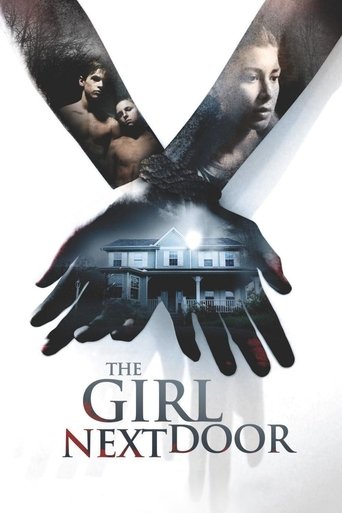
- Genre: Thriller, Crime, Drama, Horror
- Director: Gregory Wilson
- Year: 2007
- Runtime: 1h 31m
- Language: English (EN)
- TMDB Rating: ⭐ 6.6/10
Movie Overview
Summer 1958 should have been ordinary for 12-year-old David (Daniel Manche). Instead, it becomes a nightmare when his neighbors, the mentally unstable Ruth (Blanche Auffarth) and her sons, take in two orphaned sisters. The older sister, Meg (Blythe Auffarth), becomes Ruth's primary target. What starts as harsh discipline escalates into systematic torture—with the neighborhood kids, including David, gradually drawn into participating.
David's perspective gives the film its uneasy power. We watch him shift from horrified bystander to passive accomplice. The basement where most of the abuse occurs becomes a sickening stage—Ruth's twisted idea of 'teaching' Meg a lesson. And the other children, eager for Ruth's approval, join in with a chilling casualness.
The film's most disturbing aspect isn't the violence itself, but how ordinary it all feels. The abuse happens between bike rides and baseball games. Ruth's sons torment Meg one minute, then ask what's for dinner the next. This mundanity makes the horror hit harder.
By the time David realizes the full extent of his complicity, it's almost too late.
Direction & Cinematography
Gregory Wilson makes a crucial choice early on: he shoots most of the film like a coming-of-age drama. Sun-drenched lawns, kids playing stickball, the hum of cicadas—it lulls you into a false sense of nostalgia. That makes the first act's shift into horror all more jarring.
What struck me on rewatch is how little music there is. The absence of score forces you to sit with the sounds of the abuse—whimpers, thuds, Ruth's calm instructions. It's a brutal but effective choice.
But the film stumbles slightly in the third act. Some scenes linger too long on the violence when implication would have been stronger. Still, Wilson deserves credit for not sensationalizing the real-life case that inspired this.
Cast & Performances
Blanche Auffarth's Ruth is the film's terrifying center. She doesn't twirl a mustache—she genuinely believes she's helping Meg 'behave.' Watch how she smiles while tightening a gag, or how she pats her sons' heads after they've done something awful. It's a performance that sticks with you.
Daniel Manche as David is the film's moral compass, and he nails the quiet guilt of a kid who knows something's wrong but won't speak up. His final scene, where he silently watches Meg through a window, is devastating.
I'll admit I didn't expect much from the child actors playing Ruth's sons, but they're disturbingly good. Their casual cruelty—mixing taunts with requests for snacks—feels scarily authentic.
Character Psychology
David wants to be a good kid, to fit in with the older boys. What he needs is the courage to defy them. His arc is about recognizing evil in the people he admires—and his own failure to stop it.
Meg just wants to go home. That's the tragedy. Even at her lowest moments, she still believes someone will come for her.
Themes & Emotional Depth
This is a film about how easily ordinary people enable evil. The neighborhood kids aren't monsters—they're bored children following the pack. Ruth's authority and the group's approval override their morals.
The most chilling scene isn't any act of violence, but when David's friend shrugs and says 'She probably deserved it.' That line explains the whole film.
Memorable Scenes & Dialogue
The 'birthday party' scene is stomach-churning. Ruth forces Meg to strip while the kids cheer, framing it as a game. The way Auffarth plays Meg's quiet humiliation—her eyes darting for an escape that isn't there—makes it worse than any scream could.
Later, when David finally tries to help, Ruth stops him with just a look. No dialogue, just the understanding that challenging her means becoming the next target. That moment explains why no one intervened in the real case.
The Ending — Does It Deliver?
The ending feels inevitable in the worst way. By the time the adults finally notice, it's too late. What surprised me was how little catharsis there is—just a quiet shot of David realizing what he's witnessed.
The final image—a slow pan across the now-empty basement—left me more unsettled than any gore could have. It suggests this could happen anywhere, anytime.
What Works
Auffarth's performance as Ruth is terrifying because it's so believable. The film's period details feel authentic without being nostalgic. The decision to focus on David's perspective, rather than Meg's suffering, makes the horror more bearable without softening its impact. That final shot of the empty basement will haunt you.
Honest Criticism
Some torture scenes go on too long—the film could have trusted us to imagine the worst. A few supporting characters, like David's parents, feel underdeveloped. The pacing drags in the middle when the abuse becomes repetitive.
How It Compares
Fans of 'An American Crime' (also about this case) will find this version leaner and meaner. It lacks that film's courtroom drama but captures the neighborhood's complicity better.
Compared to 'The Snowtown Murders,' another true-crime horror, this film is less stylized but just as brutal. Where 'Snowtown' shocks with visuals, 'The Girl Next Door' unsettles with its banality.
Legacy & Cultural Impact
The film flew under the radar in 2007 but gained a cult following among true-crime fans. It's often cited in discussions about depicting real-life atrocities—how much is too much?
No major awards, but Auffarth's performance earned praise from critics who saw it. The film's low budget ($1.5 million) limited its release.
Behind the Scenes
The script was written in just three weeks after the director read the original novel. Most child actors weren't told the full extent of the real case to preserve their reactions.
Several scenes were improvised based on the kids' genuine discomfort—the basement's claustrophobia wasn't faked.
Who Should Watch It?
True-crime fans who can handle grim material will find this compelling. Anyone sensitive to child abuse or torture should avoid it entirely.
This isn't entertainment—it's a brutal lesson in how evil thrives through silence.
Final Verdict
I'm giving this an 8.2 for its unflinching look at a horrifying true story. It's not perfect, but it sticks with you in ways most films don't. Watch it once to understand how ordinary people enable monsters—then decide if you can stomach a rewatch.
Just know it'll leave marks.
More details, ratings, and cast information on IMDb, TMDB, Wikipedia. YouTube