- 1Movie Overview
- 2Direction & Cinematography
- 3Cast & Performances
- 4Character Psychology
- 5Themes & Emotional Depth
- 6Memorable Scenes & Dialogue
- 7The Ending — Does It Deliver?
- 8What Works
- 9Honest Criticism
- 10How It Compares
- 11Legacy & Cultural Impact
- 12Behind the Scenes
- 13Who Should Watch It?
- 14Final Verdict
- Genre: Horror, Thriller
- Director: Charles Crichton
- Year: 1945
- Runtime: 1h 43m
- Language: English (EN)
- TMDB Rating: ⭐ 7.2/10
Movie Overview
Walter Craig shows up at a remote country house and soon realizes he has seen all of it before, in a recurring nightmare. The guests settle in, and one by one they share their own strange tales: a haunted mirror, a premonition of death, a ghost who only wants to play golf. Walter grows more and more uneasy. He starts to feel that these stories are circling around his own fear. The film is built as a series of vignettes inside a framing narrative, and that structure creates a quiet sense of doom. By the end, the line between dream and reality begins to blur. The final twist stays with you long after the credits have rolled.
Direction & Cinematography
Charles Crichton directs with a touch that feels both intimate and unsettling. The country house framing device keeps the stories grounded, while the gloomy lighting and tight interiors raise the tension. Silence does a lot of heavy lifting here. There are moments when the absence of sound weighs more than any score could. The pacing is another strength. The vignettes shift in tone from darkly comic to properly disturbing, and Crichton stitches them together seamlessly. On a second viewing, you notice how often the camera rests on Walter’s face. His dread builds quietly until the screen finally descends into chaos.
Cast & Performances
Mervyn Johns anchors the film as Walter Craig, giving a quietly desperate performance. He starts with a flicker of unease and lets it grow, and his final breakdown feels both shocking and earned. Googie Withers is excellent as Joan in the haunted mirror sequence. Watching her move from skepticism to sheer terror is chilling. Frederick Valk brings a calm authority to the role of the psychiatrist, a steady presence against the mounting hysteria. Roland Culver’s comic turn as George feels slightly out of place in such a tense narrative.
Character Psychology
Walter wants to escape his nightmare. What he actually needs is to confront it. His denial leaves him fragile, clinging to rationality while everything around him falls apart. He is not self-aware. He is trapped by his own fear. The film’s final twist suggests he may never escape. That ending gives the whole picture its meaning.
Themes & Emotional Depth
Dead of Night is about how easily the mind can crack. Every new story chips away at Walter’s grip on what is real, and the cumulative effect is disturbing. The haunted mirror sequence is the clearest example. Staring into the glass becomes a form of self-destruction, a way of meeting the fears that live inside us. The film suggests that nightmares are not just dreams. They are warnings, and we ignore them at our own risk.
Memorable Scenes & Dialogue
The haunted mirror sequence is a masterclass in slow-burn tension. Joan’s reflection starts to move on its own, and the shift is so subtle that the horror creeps up on you. The golfer story is lighter, but it still works thanks to a clever twist. The ghost’s desperation to win one last game gives the scene a strange, tragic quality. The final loop is unforgettable. The editing becomes frantic, the images turn chaotic, and we watch Walter slip into madness.
The Ending — Does It Deliver?
The climax earns its shock. The film plants clues all the way through, and it waits patiently before pulling them together. Walter’s breakdown does not feel cheap. It feels like the natural result of every story’s slow, creeping dread. I found the twist surprising and inevitable at the same time, which is rare in horror. The final shot leaves a lingering unease. You get the sense that the nightmare is still going, even after the screen goes dark.
What Works
The anthology structure keeps the film fresh. Each story offers a different flavor of horror. Mervyn Johns’s performance anchors the picture, and the haunted mirror sequence stands out. The final twist is both shocking and earned, and it leaves a lasting impression.
Honest Criticism
The golfer story leans on comic relief, and that tone sits awkwardly next to the rest of the film. A few of the weaker segments, such as the Christmas party ghost, do not build the same tension as the strongest ones.
How It Compares
Dead of Night clearly influenced later anthology projects like Creepshow and The Twilight Zone. Its focus on psychological horror sets it apart, though. Where The Innocents relies heavily on atmosphere, Dead of Night blends humor and horror in a way that feels ahead of its time. It is not as polished as Psycho, but its influence on the genre is impossible to deny.
Legacy & Cultural Impact
Dead of Night was a critical success when it was released, and it has since become a classic of British horror. It is often called a precursor to modern anthology films, and it influenced directors including Alfred Hitchcock and Guillermo del Toro. Its chilling finale has been echoed in countless horror movies over the years. The film has earned its place in cinematic history.
Behind the Scenes
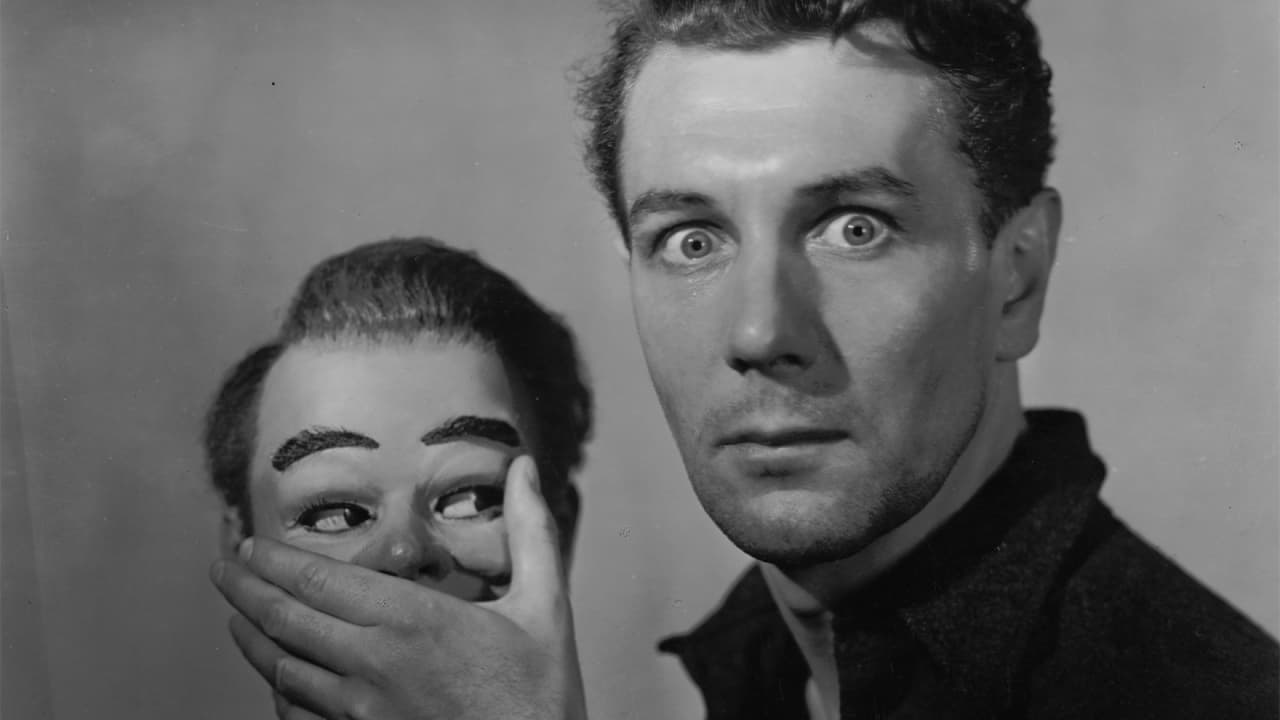
Ealing Studios produced the film, which is notable because the studio was better known for comedies. The haunted mirror sequence was originally intended for a different film before it was repurposed here. Michael Redgrave’s ventriloquist dummy, Hugo, was so unsettling that audiences reportedly panicked during screenings.
Who Should Watch It?
Fans of classic horror and psychological thrillers should find Dead of Night essential. If you prefer modern jump scares and fast pacing, you might find it slow.
Final Verdict
Dead of Night is a horror classic that still works. It blends eerie storytelling with real psychological tension, and that combination gives it staying power. The anthology structure keeps the film engaging from start to finish. The final twist is unforgettable. For anyone who loves slow-burn horror, this is essential viewing.
More details, ratings, and cast information on IMDb, TMDB, Wikipedia. YouTube