- 1Movie Overview
- 2Direction & Cinematography
- 3Cast & Performances
- 4Character Psychology
- 5Themes & Emotional Depth
- 6Memorable Scenes & Dialogue
- 7The Ending — Does It Deliver?
- 8What Works
- 9Honest Criticism
- 10How It Compares
- 11Legacy & Cultural Impact
- 12Behind the Scenes
- 13Who Should Watch It?
- 14Final Verdict
Movie Overview
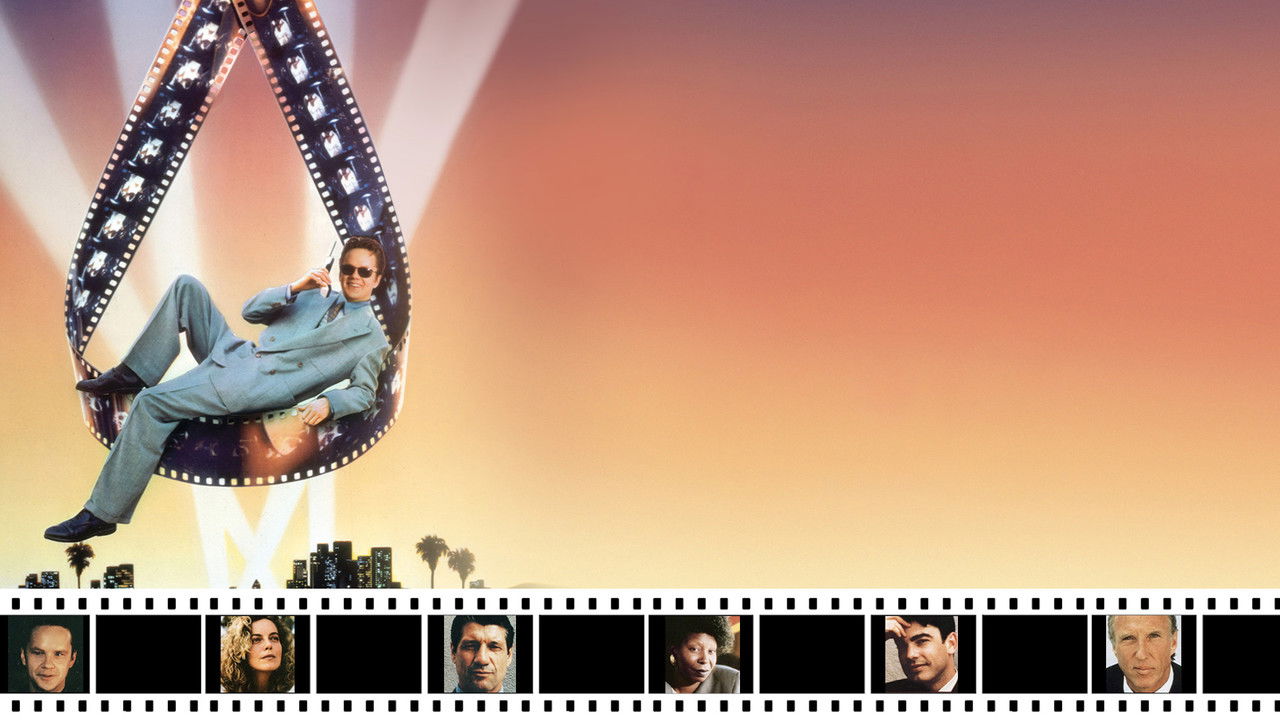
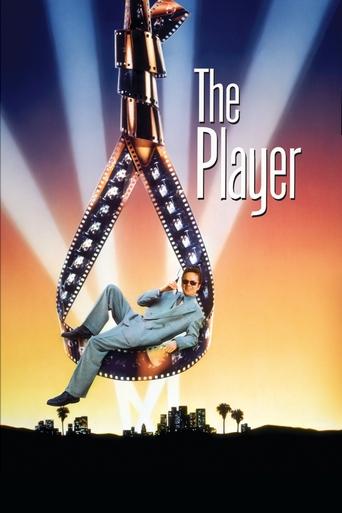
Griffin Mill is a Hollywood studio executive with a knack for saying no. He spends his days hearing pitches, all while fending off competition from a younger, hungrier colleague, Larry Levy. But Griffin's world takes a dark turn when he starts receiving threatening postcards from a writer whose script he rejected — and has forgotten. Panicked, Griffin begins tracking down every writer he's ever slighted, leading to a chain of events that spirals out of control. The film's twisty plot keeps you guessing, but it's the behind-the-scenes satire of Hollywood that steals the show. Griffin's desperation grows as he tries to maintain his power, charm, and control. What starts as a story about a man trying to save his career becomes a sharp commentary on ambition and moral compromise in Tinseltown.
Direction & Cinematography
Robert Altman directs The Player with a mix of cynicism and affection for Hollywood. The film opens with an eight-minute tracking shot through the studio lot, introducing us to Griffin Mill's world — and it's a masterclass in setting tone. Altman captures the absurdity of Hollywood meetings with a detached amusement, letting the camera linger on the egos and insecurities of the players. What struck me is how Altman balances the film's satire with genuine tension — Griffin's paranoia feels real, even as the film laughs at the industry that created him. But the pacing occasionally stumbles in the second act, where the mystery plot threatens to overshadow the satire. Still, Altman's fingerprints are everywhere, from the overlapping dialogue to the cameos from real Hollywood figures — it's a love letter and a roast in equal measure.
Cast & Performances
Tim Robbins plays Griffin Mill with a charm that's equal parts sleazy and sympathetic. His deadpan delivery of lines like 'I was just thinking about you' after a particularly gruesome act is chilling. Greta Scacchi, as the enigmatic artist June, brings a quiet intensity to her role, though her character feels underdeveloped compared to Griffin. Fred Ward shines as Walter Stuckel, the security chief who delivers a monologue about the death of suspense in movies — it's a meta moment, and Ward nails it with just the right mix of sincerity and irony. Whoopi Goldberg, as Detective Avery, feels a bit wasted — her scenes are sharp, but she disappears for long stretches. Robbins carries the film, though, and his performance keeps you rooting for Griffin, even as he makes increasingly questionable choices.
Character Psychology
Griffin Mill wants power and control — he wants to stay on top in an industry that thrives on paranoia and competition. But what he needs is a moral reckoning, a wake-up call to the emptiness of his ambitions. The film plays with the idea of whether Griffin is self-aware enough to realize this — and the answer is complicated. On the surface, he seems to win, but the final moments suggest a hollowness to his victory. Griffin's arc is less about change and more about the cost of maintaining the status quo.
Themes & Emotional Depth
The Player is about the corrosive nature of ambition in Hollywood — how the pursuit of success can hollow out even the most charming people. Griffin Mill's journey is a metaphor for the industry itself, where creativity is secondary to power and profit. The film also explores the idea of storytelling, with its meta-commentary on Hollywood's obsession with happy endings. In one scene, a writer pitches a movie about a studio executive who kills a writer — it's a wry nod to the film's own plot, and a reminder that Hollywood loves to cannibalize itself.
Memorable Scenes & Dialogue
The opening tracking shot is a marvel of staging — it introduces us to the studio lot, Griffin Mill's world, and Altman's playful tone in one seamless movement. The pitch meeting with Buck Henry, where he suggests The Graduate II, is a hilariously biting critique of Hollywood's sequel obsession. And Griffin's confrontation with David Kahane, played by Vincent D'Onofrio, is a tense, darkly comic scene that sets the plot in motion.
The Ending — Does It Deliver?
The ending is both satisfying and unsettling. Griffin seems to get everything he wants — power, love, and a tidy resolution to his problems. But the final shot lingers on his face, and it's clear that his victory comes at a cost. The film leaves you questioning whether Griffin has truly won or simply postponed his reckoning. It's a clever twist that subverts Hollywood's love for neat conclusions.
What Works
The Player excels in its sharp satire of Hollywood, with Altman's direction and Robbins' performance anchoring the film. The opening tracking shot is a technical marvel, and the meta-commentary on storytelling adds depth to the plot. The cameos are fun without overwhelming the story, and the ending is wryly satisfying.
Honest Criticism
The mystery subplot feels underdeveloped compared to the satire, and Greta Scacchi's character is given too little to do. Whoopi Goldberg's detective is underused, and the second act drags slightly as the focus shifts away from Griffin's Hollywood machinations.
How It Compares
The Player sits comfortably alongside other Hollywood satires like Sunset Boulevard and Network, though it leans more toward comedy than tragedy. Unlike Network's prophetic doom, The Player feels playful, even as it skewers its targets. It lacks the emotional depth of Altman's own Nashville, but its sharp writing and Robbins' performance make up for it.
Legacy & Cultural Impact
The Player was a critical and commercial success, earning Altman a Palme d'Or nomination and Robbins a Golden Globe nomination for Best Actor. It's remembered as one of the sharpest Hollywood satires of the '90s, influencing films like Tropic Thunder and Bowfinger. Its commentary on the industry remains relevant, and its cameo-heavy approach has been imitated but rarely matched.
Behind the Scenes
The film features over 60 cameos from Hollywood figures, including Julia Roberts, Bruce Willis, and Cher. The famous opening tracking shot required 15 takes to get right. Tim Robbins' character was originally written as older, but Altman changed the role to suit Robbins after seeing him in Jacob's Ladder.
Who Should Watch It?
Fans of Hollywood satires and Robert Altman's ensemble films will love The Player. It's also a must-watch for anyone interested in the intersection of art and commerce in cinema. Viewers looking for a straightforward thriller might find the film's meta-commentary distracting.
Final Verdict
The Player is a sharp, witty satire that remains relevant decades after its release. Tim Robbins delivers a career-defining performance, and Altman's direction is both playful and incisive. While the mystery plot doesn't always land, the film's commentary on Hollywood is spot-on. Watch it for the opening tracking shot alone — it's worth the price of admission.
More details, ratings, and cast information on IMDb, TMDB, Wikipedia. YouTube