- 1Movie Overview
- 2Direction & Cinematography
- 3Cast & Performances
- 4Character Psychology
- 5Themes & Emotional Depth
- 6Memorable Scenes & Dialogue
- 7The Ending — Does It Deliver?
- 8What Works
- 9Honest Criticism
- 10How It Compares
- 11Legacy & Cultural Impact
- 12Behind the Scenes
- 13Who Should Watch It?
- 14Final Verdict
- Genre: Action, Fantasy, Science Fiction, Adventure
- Director: Steven S. DeKnight
- Year: 2018
- Runtime: 1h 51m
- Language: English (EN)
- TMDB Rating: ⭐ 6.1/10
Movie Overview
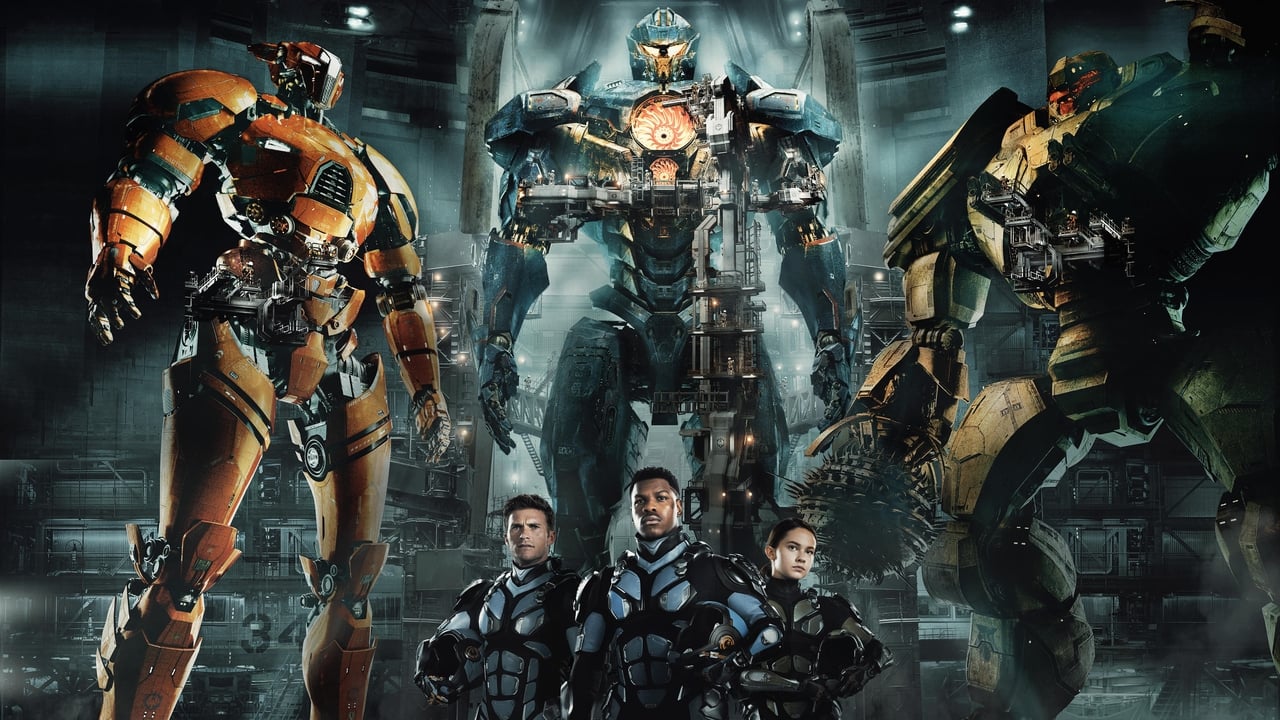
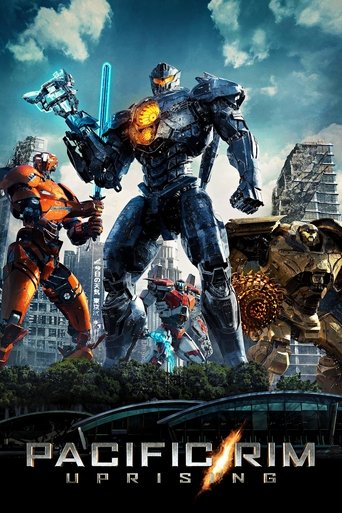
Pacific Rim: Uprising picks up a decade after the events of the first film. The world has moved on from the Kaiju threat, and the Jaeger program has evolved into a global peacekeeping force. Jake Pentecost (John Boyega), the rebellious son of the late Stacker Pentecost, lives as a scavenger until he’s forced back into the program. Alongside Amara Namani (Cailee Spaeny), a young Jaeger enthusiast, Jake trains a new generation of pilots. The film’s central conflict kicks in when rogue Jaegers threaten humanity, hinting at the return of an old enemy.
Direction & Cinematography
Steven S. DeKnight, known for TV work like Spartacus, steps into the director’s chair, and it shows. The film leans heavily on flashy action sequences, but DeKnight struggles to balance spectacle with character development. The Jaeger battles are visually impressive, though they lack the tactile weight of Guillermo del Toro’s original. What struck me was how quickly the film jumps from one set piece to another, leaving little room to breathe. But the final act’s city-wide destruction is undeniably thrilling, even if it feels familiar.
Cast & Performances
John Boyega brings charisma to Jake Pentecost, but the script doesn’t give him much to work with. His sarcastic one-landers land, though his emotional moments feel rushed. Scott Eastwood as Nate Lambert is stiff and forgettable — he’s there mostly to look serious and pilot a Jaeger. Cailee Spaeny’s Amara is a bright spot; her determination and vulnerability make her the heart of the film. Rinko Kikuchi’s Mako Mori, a fan-favorite from the first film, is tragically underused. Her brief appearance feels more like fan service than meaningful storytelling.
Character Psychology
Jake Pentecost wants to escape his father’s shadow, but he’s running in circles. The film hints at his need for purpose and belonging, but it never digs deep enough. Amara, on the other hand, clearly wants to prove herself, but her arc feels rushed in the third act. Neither character truly evolves — they just end up where the plot needs them to be.
Themes & Emotional Depth
Pacific Rim: Uprising touches on legacy and teamwork, but these themes are underdeveloped. The idea of a new generation stepping up could’ve been powerful, but it’s overshadowed by noisy action. Amara’s storyline hints at the cost of heroism, but the film never explores it fully.
Memorable Scenes & Dialogue
The opening scene, where Jake scavenges parts from a Jaeger, sets a gritty tone that the film quickly abandons. The sacrifice of Mako Mori is emotionally charged but feels rushed, robbing it of its impact. The final battle in Tokyo is visually stunning, with Jaegers and Kaiju tearing through the cityscape.
The Ending — Does It Deliver?
The climax feels earned in terms of spectacle but lacks emotional payoff. The resolution ties up the plot neatly, but it doesn’t leave a lasting impression. What stayed with me after the credits was how much the film leaned on nostalgia rather than forging its own path.
What Works
The Jaeger battles are visually impressive, especially the final showdown in Tokyo. Cailee Spaeny’s Amara brings much-needed heart to the film. The film’s pacing keeps things moving, even if it sacrifices depth for action.
Honest Criticism
The characters are underdeveloped, particularly Jake Pentecost and Nate Lambert. Mako Mori’s death feels rushed and unearned. The plot relies too heavily on nostalgia rather than building something new.
How It Compares
Compared to Guillermo del Toro’s Pacific Rim, Uprising feels lighter and less immersive. It lacks the tactile craftsmanship and emotional depth of the original. Against other giant robot films like Transformers, it’s more coherent but still struggles to balance story and spectacle.
Legacy & Cultural Impact
Pacific Rim: Uprising underperformed at the box office, earning $290 million worldwide against a $150 million budget. Critics were mixed, praising the action but criticizing the thin characters. It hasn’t had the lasting impact of its predecessor, and its failure likely stalled plans for a third film.
Behind the Scenes
John Boyega was a late addition to the cast, replacing Charlie Hunnam, who didn’t return due to scheduling conflicts. The film’s final battle was shot in Sydney, using green screens to create the Tokyo setting. Steven S. DeKnight originally wanted a darker tone but was pressured to make the film more family-friendly.
Who Should Watch It?
Fans of the original Pacific Rim might enjoy the action but will likely be disappointed by the lack of depth. Casual viewers looking for a fun, mindless spectacle will find it entertaining.
Final Verdict
Pacific Rim: Uprising is a decent but forgettable sequel. It delivers on action but falls short in character development and emotional stakes. If you’re here for giant robots punching monsters, it’s worth a watch. But if you’re looking for the depth of the original, you’ll be disappointed.
More details, ratings, and cast information on IMDb, TMDB, Wikipedia. YouTube