- 1Movie Overview
- 2Direction & Cinematography
- 3Cast & Performances
- 4Character Psychology
- 5Themes & Emotional Depth
- 6Memorable Scenes & Dialogue
- 7The Ending — Does It Deliver?
- 8What Works
- 9Honest Criticism
- 10How It Compares
- 11Legacy & Cultural Impact
- 12Behind the Scenes
- 13Who Should Watch It?
- 14Final Verdict

- Genre: Horror
- Director: Marcus Nispel
- Year: 2003
- Runtime: 1h 38m
- Language: English (EN)
- TMDB Rating: ⭐ 6.3/10
Movie Overview
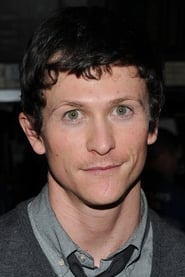
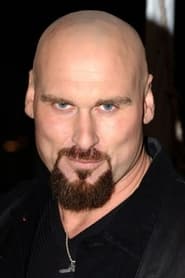
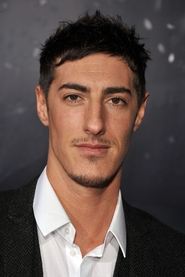
Five friends driving through rural Texas pick up a traumatized hitchhiker, setting off a chain of horrors. Erin (Jessica Biel) and her boyfriend Kemper (Eric Balfour) lead the group, joined by Morgan (Jonathan Tucker), Pepper (Erica Leerhsen), and Andy (Mike Vogel). Their van breaks down near an isolated farmhouse, where they encounter the Hewitt family — a clan of cannibalistic killers led by the hulking Leatherface (Andrew Bryniarski). What starts as a tense exploration of the eerie property quickly descends into a relentless fight for survival. The hitchhiker’s cryptic warnings and the family’s grotesque behavior hint at something far worse than they could have imagined. Erin emerges as the group’s de facto leader, her resourcefulness tested as her friends are picked off one by one. The film’s final act is a desperate chase through the dark woods, with Leatherface’s chainsaw echoing in the distance. The ending leaves Erin — and the audience — shaken and haunted.
Direction & Cinematography
Marcus Nispel, known for his work in music videos, brings a grimy, hand-held aesthetic to The Texas Chainsaw Massacre. The film’s opening sequence, with its slow pan across decaying farm equipment and animal bones, sets a tone of decay and menace. I noticed how Nispel uses natural light sparingly, keeping most of the film shrouded in shadows — it amplifies the claustrophobia. But what struck me most was the decision to avoid quick cuts during the kills, letting the violence linger uncomfortably. The pacing is relentless, with almost no downtime between scares, which works for the genre but leaves little room for character development. Nispel’s choice to echo the original’s documentary-style visuals gives the film a raw, unpolished edge that feels deliberate — though some may find it overly derivative.
Cast & Performances
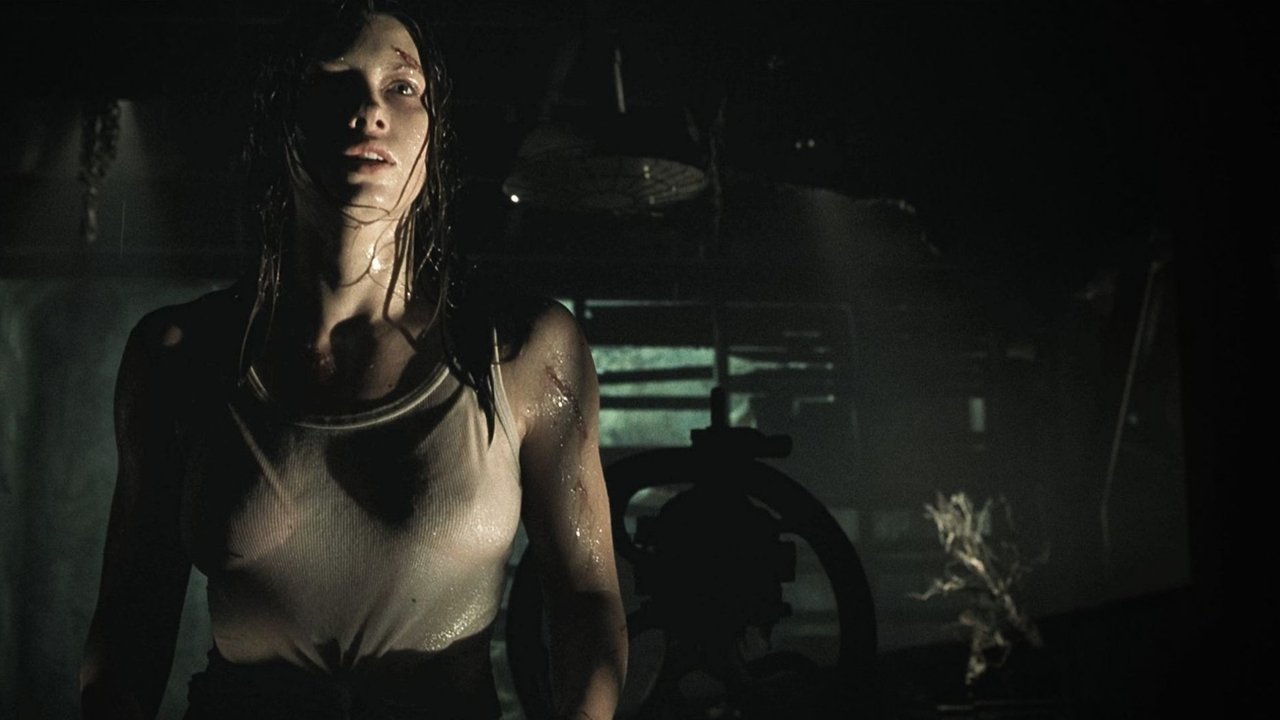
Jessica Biel carries the film as Erin, balancing vulnerability and toughness with ease. Her reaction to discovering Leatherface’s lair — a mix of horror and determination — is a standout moment. Andrew Bryniarski’s Leatherface is less a character and more a force of nature; his lumbering physicality and animalistic grunts make him terrifying, even if he lacks the eerie vulnerability of the original. Eric Balfour’s Kemper feels underused; his early charisma fades as the film sidelines him. Erica Leerhsen’s Pepper gets a few memorable moments, especially her panicked screams during the dinner scene, but her character feels thinly written. What surprised me most was R. Lee Ermey as Sheriff Hoyt — his manic intensity steals every scene he’s in.
Character Psychology
Erin’s surface goal is simple: survive. But what she needs is deeper — a sense of control in a world that’s spiraling into chaos. Her leadership emerges naturally, though it’s tested repeatedly by the Hewitt family’s cruelty. Leatherface, on the other hand, is trapped by his own brutality. He’s a child in a monster’s body, driven by fear and obedience to his family. Erin’s resilience contrasts sharply with Leatherface’s blind rage, making their final confrontation feel inevitable.
Themes & Emotional Depth
The Texas Chainsaw Massacre is about the loss of innocence — not just for Erin, but for the viewer. The film forces us to confront the fragility of civilization when faced with primal savagery. A key moment is the dinner scene, where the Hewitts’ grotesque behavior highlights the thin line between normalcy and madness. Erin’s transformation from carefree traveler to hardened survivor mirrors this theme. The film suggests that survival often comes at the cost of one’s humanity.
Memorable Scenes & Dialogue
The dinner scene is a masterclass in discomfort. The Hewitts’ bizarre behavior, from Hoyt’s mocking interrogation to Leatherface’s childish tantrums, creates a sense of dread that’s hard to shake. Erin’s escape through the woods, shot in dim light with the chainsaw’s roar growing louder, is a standout sequence. The editing keeps you on edge, cutting between Erin’s frantic running and Leatherface’s relentless pursuit. And the final shot of Erin speeding away in a truck, her face frozen in shock, lingers long after the credits roll.
The Ending — Does It Deliver?
The climax is both satisfying and harrowing. Erin’s final confrontation with Leatherface feels earned, built on her growing resilience throughout the film. What surprised me was how quiet the ending is — no triumphant music, just the hum of the truck’s engine and Erin’s hollow stare. The final shot of Leatherface swinging his chainsaw in frustration is chilling, reminding us that the nightmare isn’t over. It leaves you with a sense of unease, rather than relief.
What Works
Jessica Biel’s performance grounds the film, making Erin’s fight for survival feel real and urgent. The cinematography’s grimy aesthetic amplifies the horror, particularly in the daytime scenes that still feel ominous. The dinner scene is a standout, blending grotesque humor with genuine terror. And R. Lee Ermey’s Sheriff Hoyt is a scene-stealer, his manic energy making every moment he’s on screen unforgettable.
Honest Criticism
The supporting characters are thinly written, making their deaths feel less impactful than they should. Kemper’s sidelining early in the film robs the story of a potential emotional anchor. The reliance on gore, while effective, sometimes overshadows the tension-building that made the original so terrifying.
How It Compares
Compared to the 1974 original, this remake leans harder into gore and shock value. It lacks Tobe Hooper’s subtle commentary on consumerism, but it makes up for it with visceral thrills. It’s more polished than Rob Zombie’s House of 1000 Corpses but less gritty than the original. Where it falls short is in characterization — the friends feel like archetypes rather than fully fleshed-out people. Where it succeeds is in its relentless pacing and Jessica Biel’s compelling lead performance.
Legacy & Cultural Impact
The Texas Chainsaw Massacre (2003) was a box office success, earning over $100 million worldwide against a $9.5 million budget. It reignited interest in the franchise, leading to sequels and prequels. While it didn’t win major awards, it became a touchstone for modern horror remakes, influencing films like Friday the 13th (2009) and A Nightmare on Elm Street (2010). Its gritty aesthetic and focus on survival horror resonated with audiences, cementing its place in the genre.
Behind the Scenes
Andrew Bryniarski gained 40 pounds for the role of Leatherface, wearing a prosthetic mask that limited his vision. Jessica Biel performed most of her stunts, including the grueling chase scenes. The film’s production design was inspired by real-life crime scenes, giving it a disturbingly authentic feel.
Who Should Watch It?
Fans of gritty, relentless horror will find a lot to love here. Those who prefer psychological scares over visceral thrills may be disappointed. If you’re a fan of Jessica Biel or R. Lee Ermey, their performances alone make it worth watching.
Final Verdict
The Texas Chainsaw Massacre (2003) is a solid horror remake that earns its place in the genre. Its 8.2 rating reflects its ability to deliver scares while staying true to the original’s spirit. Jessica Biel’s performance and the film’s unrelenting pace make it a standout. Watch it for the dinner scene alone — it’s one of the most unsettling moments in modern horror.
More details, ratings, and cast information on IMDb, TMDB, Wikipedia. YouTube