- 1Movie Overview
- 2Direction & Cinematography
- 3Cast & Performances
- 4Character Psychology
- 5Themes & Emotional Depth
- 6Memorable Scenes & Dialogue
- 7The Ending — Does It Deliver?
- 8What Works
- 9Honest Criticism
- 10How It Compares
- 11Legacy & Cultural Impact
- 12Behind the Scenes
- 13Who Should Watch It?
- 14Final Verdict

- Genre: Horror
- Director: Tobe Hooper
- Year: 1982
- Runtime: 1h 54m
- Language: English (EN)
- TMDB Rating: ⭐ 7.2/10
Movie Overview
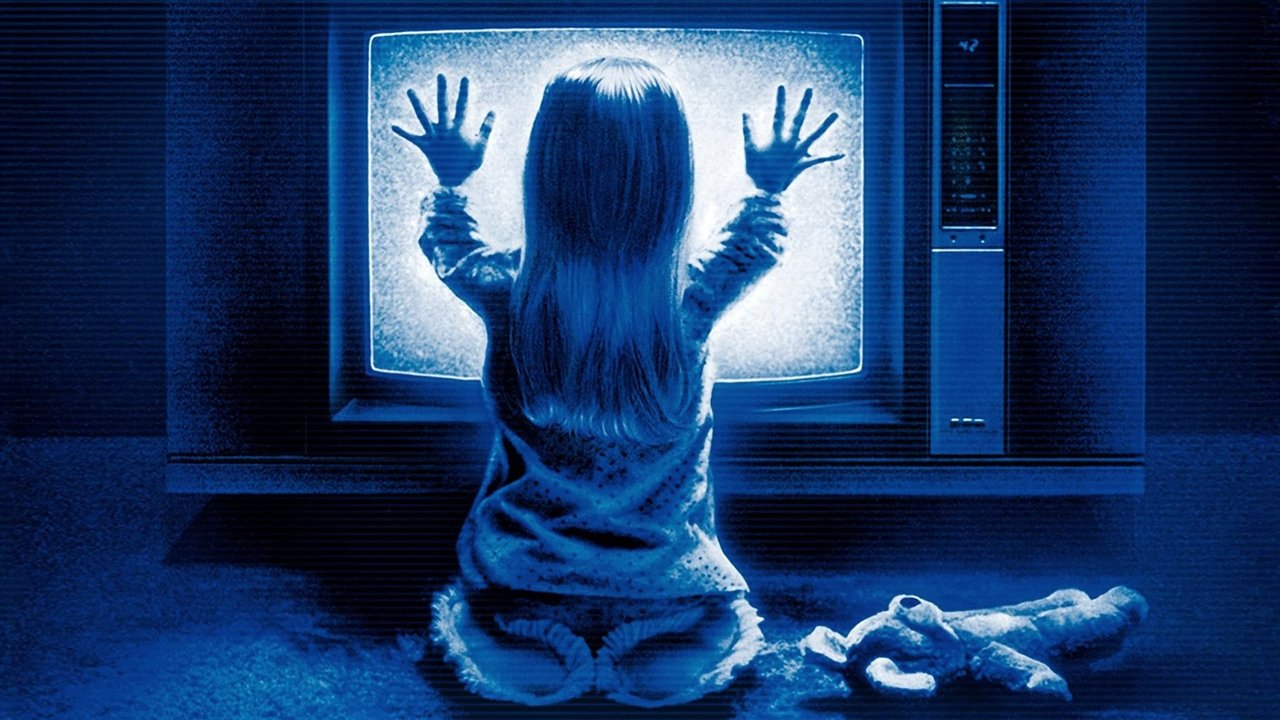
The Freeling family lives an idyllic suburban life — until their youngest daughter Carol Anne starts talking to the static on the TV. What begins as eerie whispers soon escalates into terrifying paranormal activity. Steve and Diane Freeling watch helplessly as their home becomes a battleground for malevolent spirits. When Carol Anne is taken through a portal to the 'other side', the family must fight to bring her back. And they’re not alone: a team of paranormal researchers joins the fray, uncovering the dark secrets beneath their home. The Freelings’ fight isn't just against ghosts — it's for their family's survival. Diane’s determination to rescue her daughter drives the emotional core, while Steve struggles to hold everything together. By the end, the question isn’t just whether they’ll get Carol Anne back — but whether they’ll escape with their lives.
Direction & Cinematography
Tobe Hooper, working closely with producer Steven Spielberg, crafts a suburban nightmare that feels both familiar and deeply unsettling. One standout moment is the scene where Diane confronts the closet that’s trying to swallow her daughter. The way Hooper stages it — with the camera slowly pushing in as the closet’s energy builds — makes the terror palpable. What struck me most was how the film balances horror with heart. The Freelings’ love for each other is never overshadowed by the scares; instead, it amplifies them. Hooper’s pacing is deliberate, allowing moments of quiet dread to linger before unleashing chaos. But I’ll admit, some of the effects-heavy sequences in the third act feel a bit rushed compared to the meticulous buildup earlier. Still, the film’s tone — a mix of Spielbergian wonder and Hooper’s darker instincts — makes it memorable.
Cast & Performances
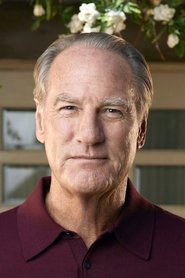
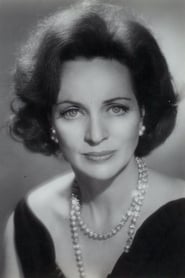
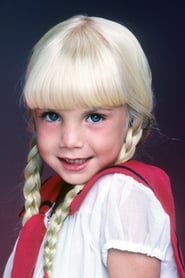
JoBeth Williams as Diane Freeling is the emotional anchor of the film. Her sheer desperation when Carol Anne disappears is raw and deeply affecting. Watch her face when she’s pulled across the floor by the ghostly force — it’s pure terror mixed with maternal resolve. Craig T. Nelson as Steve Freeling brings a grounded presence, though I kept waiting for him to have a bigger emotional moment. His best scenes are the quieter ones, like when he silently watches the chaos unfold, helpless. Heather O’Rourke as Carol Anne is iconic, her wide-eyed innocence making her connection to the supernatural all the creepier. And Beatrice Straight as Dr. Lesh delivers one of the film’s most memorable lines: 'It knows what scares you.' Her calm authority contrasts beautifully with the chaos around her.
Character Psychology
Diane Freeling wants to protect her family, but what she really needs is to confront her own fears. Her fierce love for Carol Anne drives every decision, even when it puts her in danger. Steve, on the other hand, wants to maintain control — but he learns that sometimes, you just have to let go. The Freelings’ journey is about confronting the unknown, both outside and within themselves. Diane’s transformation from a loving mother to a protective force is the film’s emotional core.
Themes & Emotional Depth
Poltergeist is about the fragility of suburban life. Beneath its manicured lawns and cookie-cutter homes lie secrets — both supernatural and societal. The film explores how families cope with the unimaginable, blending horror with a commentary on American consumerism. The Freelings’ home, built on a cemetery, is a metaphor for the dark truths we bury to maintain our comfortable lives.
Memorable Scenes & Dialogue
The tree attack scene is a masterclass in suspense. The way Hooper slowly builds tension — with the tree’s branches tapping ominously against the window before breaking through — is terrifying. The clown doll sequence is another standout, with its sudden, violent escalation. And the scene where Diane falls into the muddy pool filled with skeletons is haunting, both visually and emotionally.
The Ending — Does It Deliver?
The climax, where the Freelings finally confront the spirits, feels earned by the buildup. The house collapsing in on itself is both visually striking and thematically fitting. What surprised me was how the ending left me feeling uneasy — the Freelings’ escape is triumphant, but the lingering shots of their destroyed home suggest their ordeal isn’t over.
What Works
The practical effects, especially the stretching wall and the skeletal pool, hold up better than most CGI today. JoBeth Williams’ performance anchors the film emotionally, making the horror feel personal. The suburban setting, both familiar and eerie, adds a layer of relatability to the scares.
Honest Criticism
The third act feels rushed, with too much happening too quickly. The subplot involving the paranormal researchers, while interesting, doesn’t get enough development. And some of the effects-heavy sequences in the climax feel less impactful compared to the earlier, more intimate scares.
How It Compares
Poltergeist shares DNA with The Amityville Horror and The Entity, but it stands out for its blend of horror and family drama. Unlike The Exorcist, which focuses on religious terror, Poltergeist roots its scares in everyday fears. Where it falls short is in its pacing — the third act feels rushed compared to the meticulous buildup.
Legacy & Cultural Impact
Poltergeist was a box office success, grossing over $121 million on a $10.7 million budget. It spawned two sequels and a 2015 remake, but none matched the original’s impact. The film’s practical effects, from the stretching wall to the skeletal pool, remain influential in the horror genre. Its exploration of suburban horror continues to resonate.
Behind the Scenes
Steven Spielberg originally wanted to direct Poltergeist himself but was contractually obligated to focus on E.T. Heather O’Rourke’s iconic line 'They’re here!' was improvised. The skeletons in the pool scene were real, a decision that reportedly horrified the cast.
Who Should Watch It?
Fans of 80s horror and practical effects will love Poltergeist. Those looking for a deeply unsettling family drama will find plenty to appreciate. But viewers who prefer fast-paced, modern horror might find the slower buildup less engaging.
Final Verdict
Poltergeist remains a cornerstone of horror cinema, blending Spielberg’s emotional storytelling with Hooper’s darker instincts. While its pacing isn’t perfect, its scares hold up remarkably well. The film’s exploration of family and fear makes it more than just a ghost story — it’s a suburban nightmare with heart. Watch it for JoBeth Williams’ powerhouse performance and the iconic practical effects.
More details, ratings, and cast information on IMDb, TMDB, Wikipedia. YouTube