- 1Movie Overview
- 2Direction & Cinematography
- 3Cast & Performances
- 4Character Psychology
- 5Themes & Emotional Depth
- 6Memorable Scenes & Dialogue
- 7The Ending — Does It Deliver?
- 8What Works
- 9Honest Criticism
- 10How It Compares
- 11Legacy & Cultural Impact
- 12Behind the Scenes
- 13Who Should Watch It?
- 14Final Verdict
- Genre: Drama, Romance
- Director: James Foley
- Year: 2017
- Runtime: 1h 58m
- Language: English (EN)
- TMDB Rating: ⭐ 6.5/10
Movie Overview
Ana Steele is done with Christian Grey’s controlling ways—until he shows up at her workplace with a new proposal: no rules, no punishments, just them. What stays with me after the credits is how the film keeps teasing a deeper conflict but always pulls back. The first act sets up an interesting dynamic where Ana holds the power for once, demanding Christian change if he wants her back. But then the film introduces a series of half-baked threats—a jealous ex-submissive, a helicopter crash, a stalker from Christian’s past—that never quite escalate into real tension. By the time Ana’s boss Jack Hyde starts acting suspicious, the stakes feel manufactured rather than earned.
Direction & Cinematography
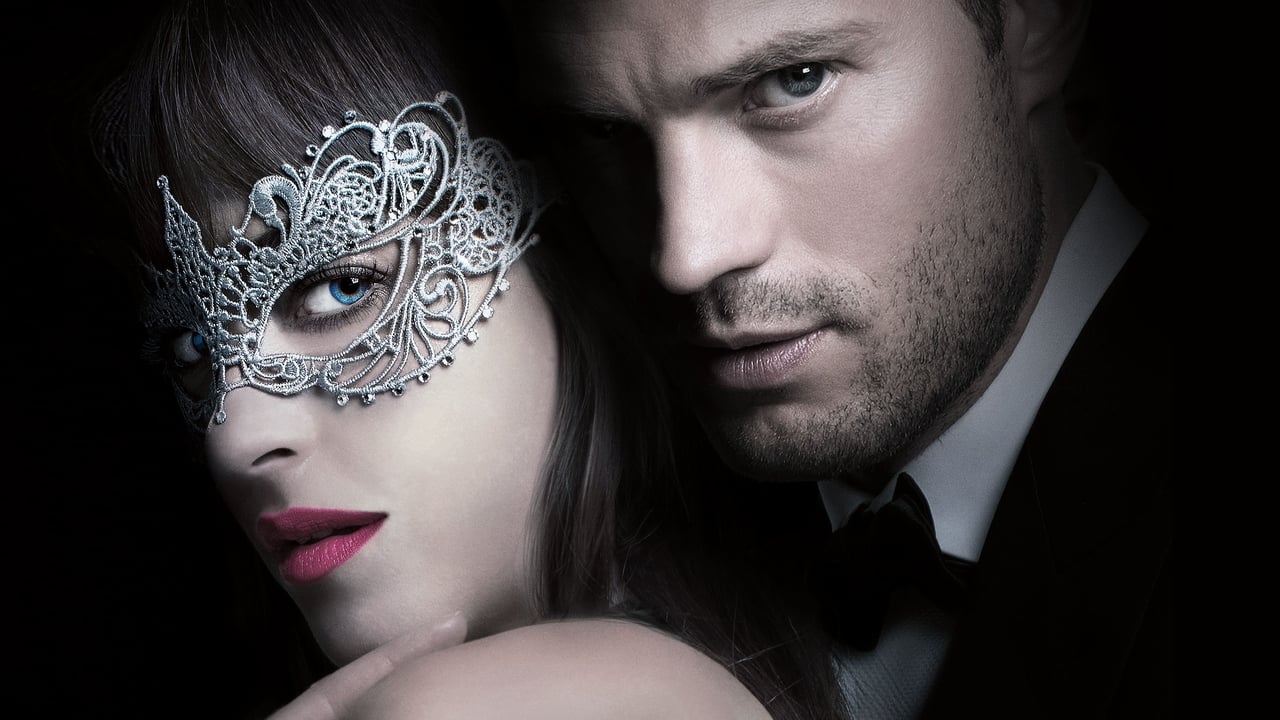
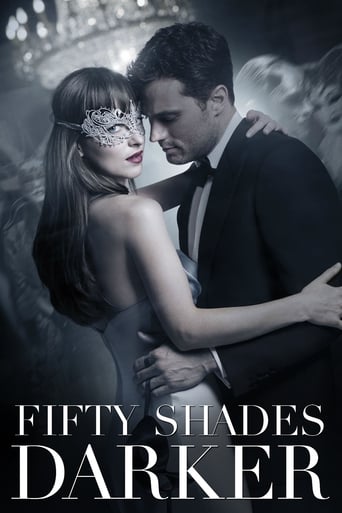
James Foley takes over directing duties from Sam Taylor-Johnson, and what struck me is how much brighter and glossier everything looks compared to the first film. There’s a scene where Christian and Ana dance at a masquerade ball that’s lit like a perfume commercial—all soft focus and golden hues—but it strangely works because it leans into the fantasy. The pacing drags whenever the film tries to be a thriller, though. A late-night break-in at Ana’s apartment is shot like a horror movie, complete with creaking floorboards, but it’s resolved so quickly it barely registers. I’ll admit I didn’t expect the sex scenes to feel more repetitive than the first film—same angles, same tempo, just with fancier locations.
Cast & Performances
Dakota Johnson still carries the film on her shoulders, finding small moments of humor in Ana’s awkwardness, like when she tries to act casual after walking in on Christian’s workout routine. Jamie Dornan remains the weak link—his line readings during emotional scenes land with all the impact of a spreadsheet. That bothered me slightly because Christian’s backstory with Mrs. Robinson (Kim Basinger) could’ve been compelling if he showed any real vulnerability. Eric Johnson as Jack Hyde chews scenery like he’s in a different movie entirely, which is at least entertaining. What surprised me most was Bella Heathcote as Christian’s unstable ex; she manages to be genuinely unsettling in just a few scenes.
Character Psychology
Ana wants independence but keeps getting drawn back to Christian’s world—not because he changes, but because the film needs them together. Her psychology makes sense early on when she sets boundaries, but then the script forgets to have her enforce them. Christian needs control to avoid confronting his trauma, yet the film resolves this by having Ana essentially say 'love will fix you.' It’s frustrating because there’s a better story here about two damaged people negotiating power, but it keeps getting buried under melodrama.
Themes & Emotional Depth
On rewatch, I noticed how much the film is about performance—Ana playing at being a confident editor, Christian playing at being 'normal,' even the masked ball where everyone hides behind costumes. The most honest moment comes when Christian admits he doesn’t know how to love without dominance, but the film rushes past this to get to the next sex scene. It’s a shame, because that admission could’ve anchored the whole story.
Memorable Scenes & Dialogue
The masquerade ball stands out for its sheer opulence—Ana in a silver gown, Christian in a phantom mask, surrounded by swirling dancers. It works because it’s one of the few times the film commits fully to its fairy-tale aspirations. Another is the helicopter crash sequence, which is genuinely tense due to Foley’s tight editing, even if the aftermath is resolved too neatly. A smaller moment that landed for me: Ana nervously adjusting her glasses during a meeting, a habit Johnson makes feel authentic.
The Ending — Does It Deliver?
The final act tries to tie up every loose thread—Jack’s obsession, Christian’s past, even Ana’s career—in a rushed montage that feels like checking boxes. What surprised me was how little catharsis there is; Christian’s big romantic gesture involves buying Ana’s publishing company, which undercuts her earlier independence. The last shot of them sailing into the sunset should feel triumphant, but it plays like the film giving up on its own conflicts.
What Works
Dakota Johnson’s performance keeps Ana relatable even when the script fails her. The masquerade ball scene is visually sumptuous, leaning into the fantasy without apology. A few of the sex scenes—like one in a shower with rose petals—are shot with more creativity than the first film managed. And the Seattle locations give the film a sense of place that the original lacked.
Honest Criticism
Jamie Dornan’s chemistry with Johnson still feels forced, especially in dialogue scenes. The thriller subplots (stalker ex, helicopter crash) distract from the central relationship without adding real stakes. Worst of all, the film sets up interesting power dynamics early on, then abandons them for conventional romance clichés.
How It Compares
Compared to the first Fifty Shades, this is more polished but less interesting—it sands down the edges that made the original at least unintentionally funny. Against similar erotic dramas like 9½ Weeks or Secretary, it lacks the psychological depth or visual daring. Where it wins is production design; the Grey penthouse has never looked more like a billionaire’s playground.
Legacy & Cultural Impact
Made $381 million worldwide despite mixed reviews, proving the books’ fanbase would show up no matter what. Nominated for several Razzie Awards (including Worst Sequel), but also won a People’s Choice Award for Favorite Drama Movie—a perfect summary of its divide between critics and audiences. Its main cultural impact was spawning countless 'Mr. Grey will see you now' memes.
Behind the Scenes
- Kim Basinger’s role as Mrs. Robinson was initially offered to Demi Moore. 2) The infamous 'Red Room' was rebuilt from scratch for this film after the original set was destroyed. 3) Several scenes were reshot after test audiences found Christian too unlikable.
Who Should Watch It?
Fans of the books will appreciate the closer adherence to the source material and glossier production values. Viewers hoping for a psychologically complex BDSM drama should look elsewhere—this is ultimately a soap opera with better lighting.
Final Verdict
Rating: 4/10. Fifty Shades Darker is marginally better than its predecessor but still can’t decide whether it’s a romance, thriller, or softcore fantasy. Johnson’s charm almost saves it, but the film undermines its own stakes at every turn. Only watch if you’re invested in the franchise—otherwise, the most erotic thing here is the interior design.
More details, ratings, and cast information on IMDb, TMDB, Wikipedia. YouTube