- 1Movie Overview
- 2Direction & Cinematography
- 3Cast & Performances
- 4Character Psychology
- 5Themes & Emotional Depth
- 6Memorable Scenes & Dialogue
- 7The Ending — Does It Deliver?
- 8What Works
- 9Honest Criticism
- 10How It Compares
- 11Legacy & Cultural Impact
- 12Behind the Scenes
- 13Who Should Watch It?
- 14Final Verdict

- Genre: Comedy, Drama
- Director: Shari Springer Berman
- Year: 2003
- Runtime: 1h 41m
- Language: English (EN)
- TMDB Rating: ⭐ 7.2/10
Movie Overview
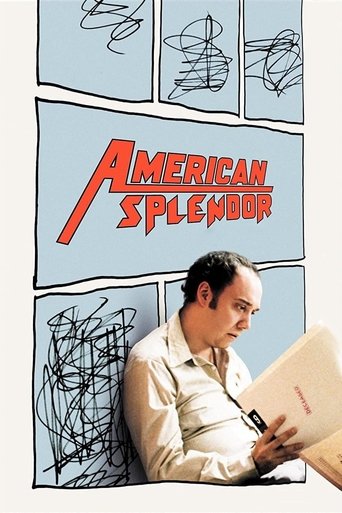
Harvey Pekar isn’t your typical hero. A file clerk at a Cleveland VA hospital, he spends his days arguing with coworkers and obsessing over jazz records. His life feels small, but he’s convinced it’s full of material worth writing about. So, he starts creating a comic book series called 'American Splendor,' based on his own mundane existence. It’s a hit — but fame doesn’t make Harvey any happier. He’s still Harvey: grouchy, self-critical, and perpetually dissatisfied. When he meets Joyce Brabner, a fellow obsessive, their relationship becomes the central focus of his work — and his life. But even as he gains success and battles cancer, Harvey remains Harvey: a man who finds beauty in the everyday, even as he grumbles through it.
Direction & Cinematography
Shari Springer Berman and Robert Pulcini take risks here, blending documentary footage with traditional narrative storytelling. It’s a bold choice that pays off, especially in scenes where the real Harvey Pekar comments on the film itself. What struck me was how the directors use these meta moments not just for laughs, but to deepen our understanding of Harvey’s self-awareness. And yet, the film never feels disjointed. The transitions between reality and fiction are seamless, creating a portrait that feels both intimate and slightly surreal. On rewatch, I noticed how they use Harvey’s flat, Cleveland surroundings to mirror his inner world — the film’s visual style is as unglamorous as its subject. But it works because it doesn’t try to romanticize Harvey’s life. It just shows it, warts and all.
Cast & Performances
Paul Giamatti IS Harvey Pekar. From his hunched shoulders to his perpetually furrowed brow, Giamatti captures Harvey’s unique mix of cynicism and vulnerability. There’s a scene where he talks about feeling like a 'flake' — Giamatti delivers it with such quiet frustration that it hurts. Hope Davis is equally perfect as Joyce Brabner, matching Harvey’s intensity with her own brand of neurotic charm. Their first date is a masterclass in awkward chemistry. Judah Friedlander, as Harvey’s eccentric friend Toby, steals every scene he’s in — though I’ll admit, his antics sometimes feel like they’re pushing too hard for laughs. That said, the supporting cast all turn in solid performances, especially James Urbaniak as Harvey’s alter ego, Robert Crumb.
Character Psychology
Harvey wants recognition — not just for his work, but for his life. He believes his struggles, his failures, and his mundane routines are worth memorializing. What he really needs, though, is to accept himself. Joyce helps him get there, but Harvey never fully lets go of his self-doubt. He’s trapped by his own perception of himself as a loser. Even when success comes, he can’t enjoy it. That’s what makes him so compelling — and so frustrating.
Themes & Emotional Depth
American Splendor is about finding meaning in the ordinary. Harvey’s comics turn his boring life into art, proving that everyone’s story is worth telling. The film also explores the tension between art and reality. Harvey’s comics are autobiographical, but they’re still a version of his life. The movie plays with this idea by showing us the real Harvey alongside Giamatti’s portrayal. It’s a clever way to ask: what’s real, and does it even matter?
Memorable Scenes & Dialogue
The scene where Harvey and Joyce argue about their relationship during an interview is both hilarious and heartbreaking. It’s staged like a documentary, with the real Harvey and Joyce watching — and interrupting — the actors playing them. The mixture of humor and honesty makes it unforgettable. Another standout is Harvey’s monologue about jazz records. Giamatti delivers it with such passion that you can’t help but feel Harvey’s love for the music, even if you don’t share it. The climax, where Harvey faces his cancer diagnosis, is raw and unflinching. It’s a moment of vulnerability that feels earned.
The Ending — Does It Deliver?
The ending feels true to Harvey’s character. It doesn’t wrap everything up neatly — Harvey is still Harvey, after all. But it leaves us with a sense of quiet acceptance. The final shot, of Harvey walking through Cleveland, is simple but effective. It’s a reminder that life goes on, even after the credits roll. Personally, I think it’s the perfect ending for a film that refuses to sugarcoat its subject.
What Works
The film’s mix of documentary and narrative storytelling is its greatest strength. It allows us to see Harvey from multiple angles, creating a richer portrait. Giamatti’s performance is flawless — he captures Harvey’s complexity without ever slipping into caricature. The script is sharp, balancing humor and pathos perfectly. Scenes like Harvey’s first meeting with Joyce are a testament to the film’s ability to find beauty in the mundane.
Honest Criticism
The Toby subplot feels underdeveloped. While Friedlander’s performance is entertaining, his character doesn’t add much to the story. The middle section drags a bit, especially compared to the tight pacing of the first and third acts. Harvey’s coworkers, while funny, sometimes feel like caricatures.
How It Compares
American Splendor shares DNA with films like Crumb and Ghost World — both explore outsiders who turn their lives into art. But where Crumb delves into darkness, American Splendor finds humor in Harvey’s struggles. It’s lighter than Ghost World, but just as poignant. Where it falls short is in its pacing — the middle section drags a bit, especially compared to the tight storytelling of Crumb.
Legacy & Cultural Impact
American Splendor was a critical darling when it premiered in 2003, earning praise for its innovative storytelling and Giamatti’s performance. It won the Grand Jury Prize at Sundance and was nominated for several Independent Spirit Awards. While it wasn’t a box office hit, it’s since gained a cult following. The film’s blend of fiction and documentary has influenced other biopics, like I’m Not There. It’s also cemented Harvey Pekar’s place in pop culture history.
Behind the Scenes
Paul Giamatti was cast just two weeks before filming began. The real Harvey Pekar and Joyce Brabner appear in the film as themselves — a rare choice for a narrative feature. The jazz records Harvey obsesses over in the film were part of Pekar’s actual collection.
Who Should Watch It?
Fans of quirky indie films will love American Splendor. It’s perfect for anyone who enjoys character-driven stories with a meta twist. Those who prefer fast-paced plots or traditional biopics might find it slow or disjointed.
Final Verdict
American Splendor is a unique, heartfelt film that sticks with you long after the credits roll. It’s not perfect — the pacing stumbles at times — but its innovative storytelling and Giamatti’s stellar performance make it worth watching. If you’re looking for a film that finds beauty in the ordinary, this is it.
More details, ratings, and cast information on IMDb, TMDB, Wikipedia. YouTube