- 1Movie Overview
- 2Direction & Cinematography
- 3Cast & Performances
- 4Character Psychology
- 5Themes & Emotional Depth
- 6Memorable Scenes & Dialogue
- 7The Ending — Does It Deliver?
- 8What Works
- 9Honest Criticism
- 10How It Compares
- 11Legacy & Cultural Impact
- 12Behind the Scenes
- 13Who Should Watch It?
- 14Final Verdict
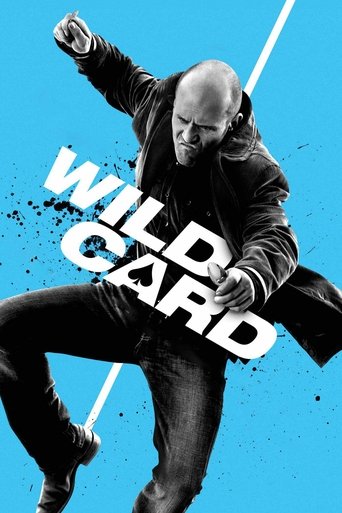
- Genre: Thriller, Crime, Action
- Director: Simon West
- Year: 2015
- Runtime: 1h 32m
- Language: English (EN)
- TMDB Rating: ⭐ 5.7/10
Movie Overview
In Wild Card, Jason Statham plays Nick Wild, a skilled Las Vegas bodyguard with a dangerous gambling addiction. The film opens with Nick rescuing a young woman from an abusive boyfriend, quickly establishing his lethal capabilities. But as he dives deeper into the relentless world of gambling, Nick doesn't just bet his money; he wagers his life and freedom against the mob. The stakes rise when he’s forced to confront a notorious gangster after a wrong bet spirals out of control.
The core conflict arises when Nick is drawn into a violent revenge plot sparked by the assault of his friend, played by Michael Angarano. This turning point shifts his struggles from personal to existential, as he battles demons both external and internal. The film's emotional arc hinges on Nick's attempts to find redemption in a chaotic world, yet he remains predestined to repeat the same mistakes.
What surprised me most was how the film shifts from action to introspection, revealing the weariness behind Nick's bravado. While the brisk runtime keeps the pace lively, I kept waiting for a more profound exploration of his character's psyche—something that never quite comes. Instead, Wild Card offers a superficial glance at the man behind the tough exterior, leaving viewers wanting more.
The final act dives into confrontations that lead to explosive violence, but it never fully embraces the emotional stakes at play. By the end, while the action is thrilling, I noticed a lack of resolution for Nick's internal struggles—making it feel like a missed opportunity for depth in a character that had all the potential for a compelling journey.
Direction & Cinematography
Simon West directs Wild Card with a steady hand, blending stylized action sequences with intimate character moments. I noticed his use of tight close-ups during pivotal scenes, particularly when Nick faces off against his foes, intensifying the tension. The framing captures the vulnerability behind Statham's hardened exterior — a choice that enhances the emotional weight of the story, even if it doesn’t explore it enough.
But what struck me most was how the pacing fluctuates. Early scenes zip along, especially in the casino environments, immersing us in the adrenaline-pumping world of gambling. However, midway through, the film slows markedly as it delves into Nick's past, which, while necessary, feels drawn out before the final act ramps up again with chaotic energy. This unevenness in pacing disrupts the overall narrative flow.
And while West's direction is competent, I found myself yearning for more visual flair or thematic depth. The action set pieces, such as a bar brawl and a tense showdown in an underground gambling den, deliver excitement but lack the narrative integration to elevate the film. The result is a thriller that's enjoyable but feels like it's lacking a beating heart.
Cast & Performances
Jason Statham delivers the familiar tough-guy persona that fans expect. His portrayal of Nick Wild feels both authentic and weary, particularly in scenes where he struggles against the allure of gambling. I appreciated his physicality, especially during the fight sequences, but I’ll admit I didn’t expect him to convey so much internal conflict with mere silence. One moment that stood out was when he stares blankly at a slot machine, revealing the weight of his addictions.
Michael Angarano as Danny, his younger friend, brings a surprising energy to the film. His youthful urgency contrasts well with Statham’s stoic demeanor. In one heartbreaking scene, he pleads with Nick to help him after being assaulted. Angarano's emotional delivery captures the desperation of his situation, yet his character serves more as a plot device than a fully fleshed-out personality, which bothered me slightly.
Hope Davis, who plays a femme fatale, is underused in her role. While she brings a certain charm to her scenes, her character feels almost like an afterthought. The chemistry between her and Statham isn't fully explored, which makes her ultimate fate feel unearned. It’s a missed opportunity to deepen the narrative through her character’s complexities.
Character Psychology
On the surface, Nick wants to escape his gambling addiction and rediscover his sense of purpose in a chaotic world. However, what he truly needs is to confront his past traumas and learn to forgive himself, something he fails to do throughout the film. This lack of self-awareness traps him in a cycle of violence and regret.
The truth is, Nick doesn’t evolve — he oscillates between moments of clarity and reckless decisions, making it frustrating to watch. His struggles feel repetitive, leaving the audience with a bittersweet recognition that sometimes, people don’t change, and that can be the hardest truth to reckon with.
Themes & Emotional Depth
Wild Card delves into the themes of addiction and redemption, but it never fully commits to either. The most telling moment comes when Nick reflects on his choices after a violent encounter. Instead of embracing the potential for change, he returns to the same gambling tables, illustrating that the allure of vice often overshadows the chance for growth.
Additionally, the film touches on the idea of loyalty, especially in Nick’s relationships with Danny and others in his life. The ongoing conflict between his desire to protect his friends and his self-destructive tendencies serves as a commentary on how addiction can isolate individuals, even from those who care about them. Yet, this theme feels underexplored, as the film prioritizes action over introspection.
Memorable Scenes & Dialogue
One memorable scene occurs early on when Nick intervenes at a bar to save a woman from her abusive boyfriend. The physicality of the fight is well-choreographed, and Statham’s performance captures both his character's ferocity and the underlying motivations for his actions. The camera work adds urgency, with quick cuts that mirror the intensity of the confrontation.
Another standout moment happens later when Nick confronts his own reflection in a casino bathroom. This quiet scene allows for introspection and vulnerability, as he grapples with the consequences of his lifestyle choices. It’s a sharp contrast to the film's typical action, showcasing West’s ability to inject emotional depth into otherwise explosive sequences.
Lastly, the climactic showdown with the mob is a visual spectacle, blending tension and action effectively. The staging in a dimly lit warehouse heightens the stakes; you can practically feel the weight of Nick's decisions hanging in the air. However, the emotional payoff feels diminished, as it lacks the depth we’ve been craving throughout the film.
The Ending — Does It Deliver?
The climax of Wild Card does deliver on action, providing the explosive showdown that many viewers might expect from a Statham film. However, I found the emotional resonance lacking. The payoff felt rushed, especially after the build-up of Nick's internal conflict throughout the film. I kept waiting for a moment of catharsis that would tie together his journey, but it never fully materializes.
What stayed with me after the credits was a sense of frustration. While the physical stakes are thrilling, it feels like a missed opportunity to showcase the emotional stakes that could have elevated the film. Instead, the ending leaves viewers with the realization that sometimes, despite the excitement, the journey lacks the closure needed to feel truly complete.
What Works
The strongest element of Wild Card is its action choreography. The bar fight scene stands out for its intensity, showcasing Statham’s physicality and commitment. The pacing in these sequences keeps the audience engaged, effectively heightening the stakes. Furthermore, Angarano’s emotional appeal provides a contrast to Statham’s tough-guy persona, adding layers to their relationship. This dynamic is one of the film’s more successful aspects and keeps viewers invested.
Honest Criticism
However, the film suffers from a lack of character development, particularly in its supporting roles. Hope Davis's character feels like a missed opportunity, as she could have added more depth to the narrative. Instead, her presence is mostly superficial, and the chemistry with Statham seems underexplored. Additionally, the uneven pacing detracts from the overall experience, making some segments feel unnecessarily stretched while the climax rushes to resolve.
How It Compares
If you’re looking for similar films, consider Collateral (2004) or The Mechanic (2011). Both feature antiheroes caught in high-stakes situations, but Collateral adds depth through its exploration of morality and time constraints. Wild Card, while entertaining, falls short in this regard, often prioritizing action over character development.
The Mechanic offers a more engaging narrative around redemption and regret, which is something I felt Wild Card lacked. Statham’s performance in both films showcases his action prowess, but it’s in The Mechanic where the emotional stakes are more effectively conveyed, making it a more rewarding watch.
Legacy & Cultural Impact
Wild Card didn’t make a significant impact at the box office, and it received a lukewarm response from critics, holding a 5.7/10 rating on IMDb. Its reception highlights the challenges of elevating a familiar action star within a tired genre. While it may not be a defining title for Jason Statham, the film adds to the larger conversation about the struggles of addiction and the cost of a life lived on the edge.
In the years since its release, it seems to have faded into obscurity, overshadowed by more successful action films featuring nuanced narratives. The discussion around Statham’s role in the genre continues, but Wild Card remains a modest entry in his filmography.
Behind the Scenes
Interestingly, the film is based on the 1986 film Heat, which starred Burt Reynolds. Simon West opted for a different approach, infusing it with a more modern sensibility. Jason Statham and Michael Angarano reportedly forged a strong camaraderie during filming, which contributed to their on-screen chemistry. Additionally, the production faced budget constraints that limited some of the bigger action sequences originally planned, forcing the team to get creative with their stunt work.
Who Should Watch It?
Fans of Jason Statham’s action-movie persona will likely enjoy Wild Card, especially those who appreciate a straightforward revenge thriller. However, viewers seeking a deeper emotional connection or a richly developed narrative should probably skip it. This film is for anyone who wants a quick adrenaline rush without much weight behind the story.
Final Verdict
While Wild Card has its share of thrilling moments and does deliver solid action, it ultimately doesn't reach the heights one might hope for with a Jason Statham vehicle. The lack of character depth and uneven pacing keep it from being a standout. If you're looking for a fast-paced flick to unwind with, it fits the bill, but don't expect it to leave you with much to ponder.
More details, ratings, and cast information on IMDb, TMDB, Wikipedia. YouTube