- 1Movie Overview
- 2Direction & Cinematography
- 3Cast & Performances
- 4Character Psychology
- 5Themes & Emotional Depth
- 6Memorable Scenes & Dialogue
- 7The Ending — Does It Deliver?
- 8What Works
- 9Honest Criticism
- 10How It Compares
- 11Legacy & Cultural Impact
- 12Behind the Scenes
- 13Who Should Watch It?
- 14Final Verdict
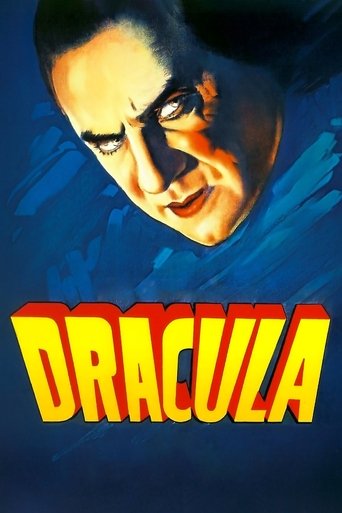
- Genre: Horror
- Director: Tod Browning
- Year: 1931
- Runtime: 1h 14m
- Language: English (EN)
- TMDB Rating: ⭐ 7.2/10
Movie Overview
Renfield, a London real estate agent, travels to Transylvania to finalize a deal with the reclusive Count Dracula. What starts as a business transaction quickly turns sinister as Dracula reveals his true nature, enslaving Renfield and sailing to England. Once there, Dracula preys upon socialites Mina and Lucy, drawing the attention of Professor Van Helsing. The film builds tension through Dracula's escalating control over his victims, culminating in a confrontation that blends folklore with psychological horror.
At first, the plot feels like a straightforward adaptation of Stoker's novel, but Browning's choices streamline the story in ways that heighten the uncanny. The Transylvania opening remains the film's strongest sequence, with its cobwebbed castle and Lugosi's slow, deliberate movements. What surprised me most was how much of the horror happens off-screen — shadows, reactions, and implications doing the work.
By the time the action shifts to London, the film becomes more stagey, but Lugosi's presence keeps it compelling. I wasn't expecting much from the romantic subplot between Mina and John Harker, but it serves as a necessary contrast to Dracula's menace. The final act feels rushed compared to the deliberate pacing of the opening, though that final shot lingers.
Direction & Cinematography
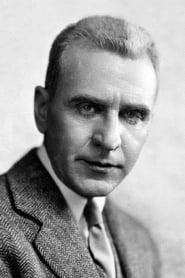
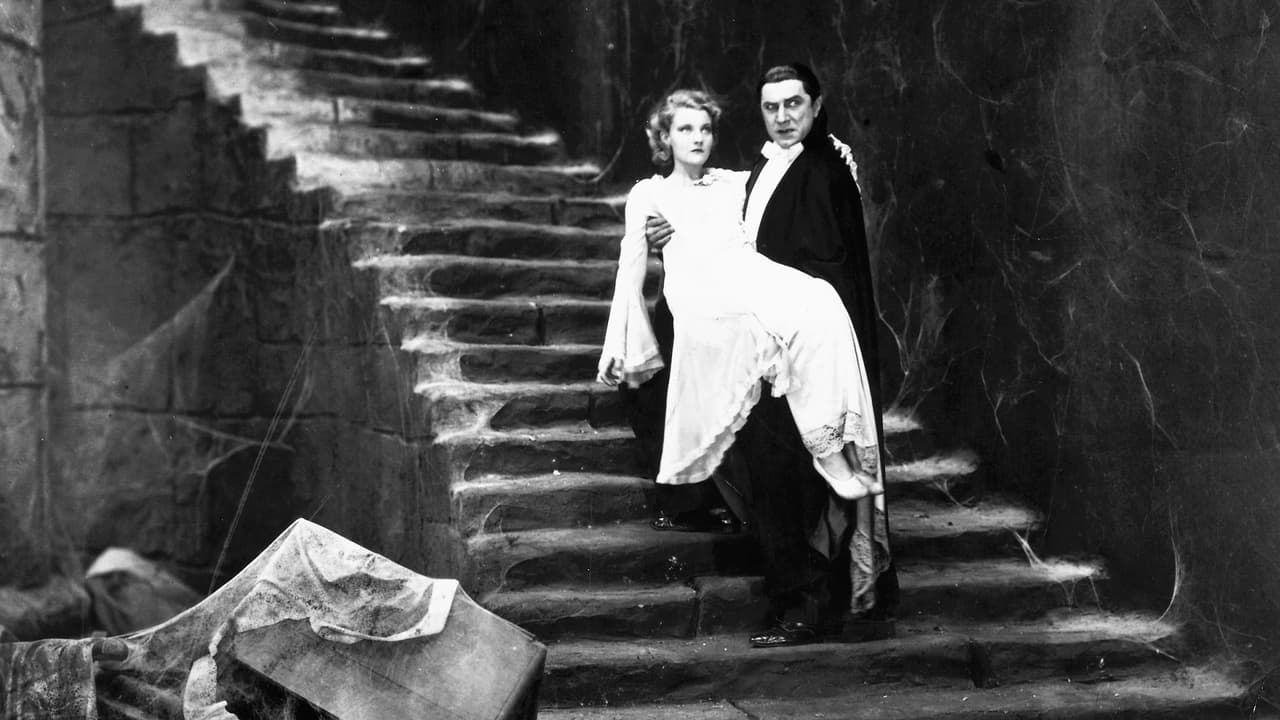
Tod Browning's direction is a study in contrasts. The Transylvania sequences are masterclasses in atmosphere, with Karl Freund's cinematography using shadows and negative space to create unease. Dracula's first appearance — descending the staircase without blinking — is staged like a theatrical reveal, and it works because of Lugosi's commitment to the stillness.
But once the film moves to England, Browning's limitations show. The drawing-room scenes feel static, as if the camera forgot it wasn't filming a stage play. What stayed with me after the credits were those early moments where the direction trusts the audience's imagination: the creaking carriage, the howling wolves, the absence of a musical score.
I'll admit I didn't expect the film's most effective scare to come from a simple shot of Renfield laughing in the asylum. Browning holds on Dwight Frye's face just long enough for the laughter to turn unsettling. It's a reminder that the best horror often lies in performance, not spectacle.
Cast & Performances
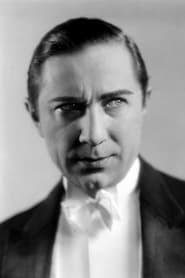
Bela Lugosi's Dracula is the reason this film endures. His deliberate, almost hypnotic line readings and unnatural stillness create a vampire who feels both aristocratic and alien. Watch how he never blinks when feeding — a small choice that becomes deeply unsettling.
Dwight Frye's Renfield steals every scene he's in. His transition from earnest clerk to cackling madman is abrupt, but Frye commits fully to the physicality, especially in the asylum scenes. That moment where he stares at a fly and whispers 'Look, Master — food!' stayed with me.
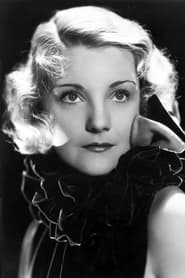
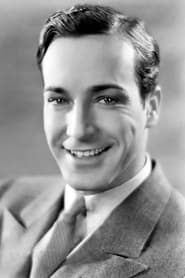
Helen Chandler's Mina is underdeveloped, but she nails the gradual transformation into Dracula's thrall. It bothered me slightly that David Manners' John Harker is so bland — he's more a plot device than a character. Edward Van Sloan's Van Helsing brings welcome gravitas, though his performance feels more suited to the stage than the screen.
Character Psychology
Dracula wants to spread his curse, but what he needs is control — over his victims, his environment, even his own legend. Lugosi plays him as someone who relishes the performance of being Dracula as much as the act itself. He's self-aware in a way that makes him more terrifying.
Renfield, on the other hand, craves power but gets ensnared instead. His madness stems from realizing too late what he's bargained for. The film's tragedy lies in how little choice any of the characters truly have once Dracula fixes his gaze upon them.
Themes & Emotional Depth
At its core, Dracula is about the fear of the outsider corrupting polite society. The Count's invasion of London plays on anxieties about immigration and sexual morality, all wrapped in Gothic trappings. The scene where Mina recoils from a crucifix only to be drawn to Dracula's embrace captures this tension perfectly.
What surprised me most was the film's quiet commentary on addiction. Renfield's descent mirrors that of an addict, desperate for his next 'fix' from Dracula. The horror isn't just in the blood-drinking, but in the loss of free will.
Memorable Scenes & Dialogue
Dracula's introduction remains one of cinema's great entrances. Lugosi steps out of the shadows, his cape catching the light, and delivers the line 'I am Dracula' with a weight that makes it feel like a threat and a promise. The lack of music amplifies the unease.
The brides' scene, though brief, is haunting. Their slow advance on Renfield, combined with the eerie silence, creates a sense of dread that modern horror films rarely match. It's a masterclass in less-is-more horror.
Van Helsing's mirror trick — proving Dracula casts no reflection — works because of Lugosi's reaction. His brief flash of vulnerability humanizes him just enough to make him more frightening.
The Ending — Does It Deliver?
The ending feels inevitable rather than surprising, but it's earned by the film's internal logic. Dracula's defeat isn't triumphant so much as relieving — a return to normalcy after the supernatural intrusion. What stayed with me was how little fanfare accompanies his demise.
I wasn't expecting much from the final confrontation, but Lugosi's resignation in that moment adds unexpected pathos. The last shot of the film lingers on the now-peaceful asylum, leaving the audience with a sense of uneasy closure.
What Works
Lugosi's performance remains the gold standard for Dracula portrayals. His delivery of 'Listen to them — children of the night' is perfection. The Transylvania sequences create an atmosphere modern horror films struggle to match. Dwight Frye's Renfield is a masterclass in escalating madness. The film's restraint makes its horrors feel more personal — when violence happens off-screen, our imaginations fill in the gaps.
Honest Criticism
The London scenes drag compared to the Transylvania opening. David Manners' John Harker is so bland he nearly vanishes in his own scenes. The ending feels rushed, with Dracula's demise lacking the buildup it deserves. Some of the dialogue is creakier than the castle stairs, particularly the romantic exchanges.
How It Compares
Compared to Nosferatu (1922), Browning's Dracula is more theatrical but less visually inventive. Where Murnau's film feels like a nightmare, Browning's plays like a dark fairy tale. It lacks the Expressionist flair of its German predecessor but gains Lugosi's magnetic presence.
Against later adaptations like Hammer's Dracula (1958), the 1931 version feels restrained, relying on implication over gore. It's a film of moments rather than sustained terror, but those moments are unforgettable.
Legacy & Cultural Impact
Dracula was a massive box office success, cementing Universal's dominance in horror and launching Lugosi to stardom. While it didn't win major awards, its influence is immeasurable — defining the vampire genre for decades. Modern viewers might find it slow, but its DNA is visible in everything from Interview with the Vampire to What We Do in the Shadows.
The film's legacy is complicated by its stage-bound limitations, but Lugosi's performance transcends them. It's a reminder that horror doesn't need jump scares to unsettle.
Behind the Scenes
- Lugosi was paid only $3,500 for his star-making role, a fraction of what co-stars received. 2. The Spanish-language version, filmed simultaneously on the same sets, is considered superior by some critics. 3. The lack of a musical score was due to technical limitations, not artistic choice.
Who Should Watch It?
Classic horror fans will appreciate Lugosi's performance and the film's historical significance. Those who prefer slow-burn atmosphere over jump scares will find much to admire. Viewers expecting fast-paced action or explicit horror should look elsewhere — this is a film of mood and implication.
Final Verdict
Dracula earns its classic status through Lugosi's performance and unforgettable moments, even if it shows its age in pacing and technique. The Transylvania sequences alone justify the runtime, and Frye's Renfield is a horror icon in his own right. While not every element holds up, the film's influence is undeniable. See it for Lugosi's hypnotic presence — no one has played the Count better.
More details, ratings, and cast information on IMDb, TMDB, Wikipedia. YouTube