- 1Movie Overview
- 2Direction & Cinematography
- 3Cast & Performances
- 4Character Psychology
- 5Themes & Emotional Depth
- 6Memorable Scenes & Dialogue
- 7The Ending — Does It Deliver?
- 8What Works
- 9Honest Criticism
- 10How It Compares
- 11Legacy & Cultural Impact
- 12Behind the Scenes
- 13Who Should Watch It?
- 14Final Verdict
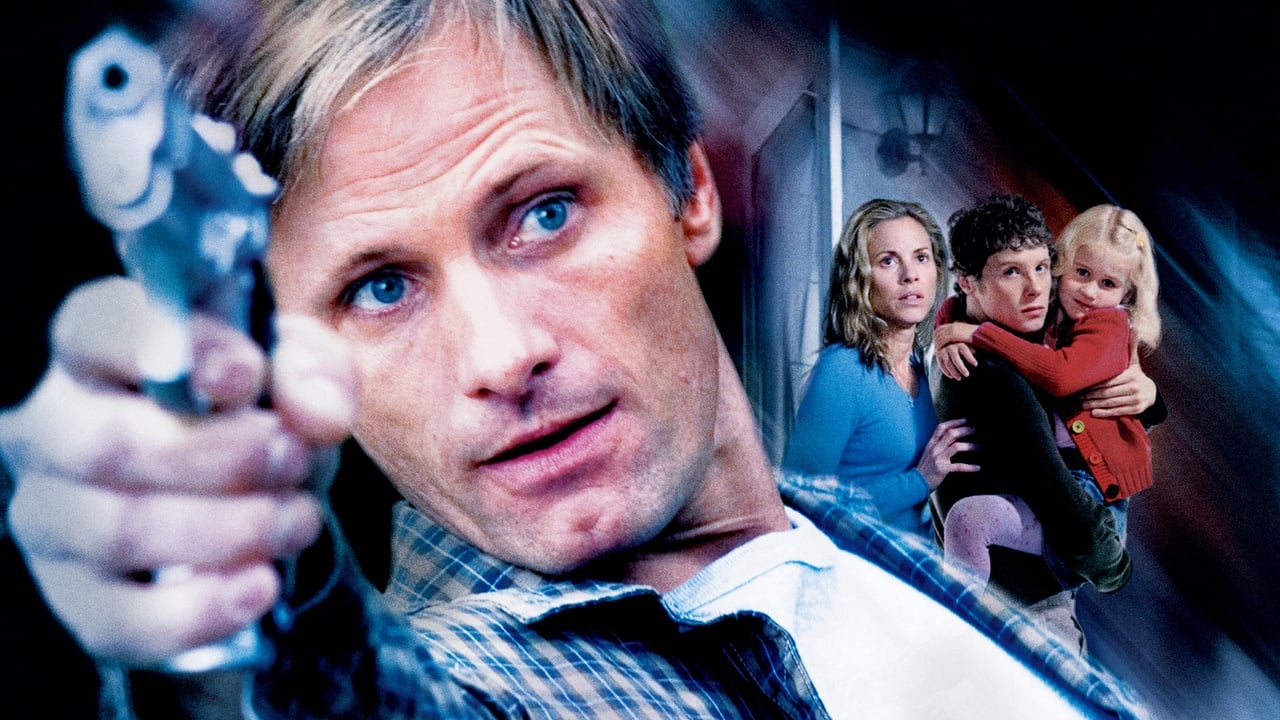
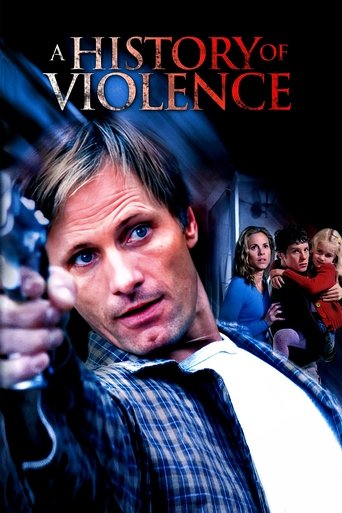
- Genre: Drama, Thriller, Crime
- Director: David Cronenberg
- Year: 2005
- Runtime: 1h 36m
- Language: English (EN)
- TMDB Rating: ⭐ 7.2/10
Movie Overview
Tom Stall lives a quiet life running a diner in small-town Indiana with his wife Edie and their two kids. He's the kind of guy who knows everyone by name and never raises his voice. But when two armed men try to rob his diner, Tom reacts with startling, almost effortless violence. His heroism makes headlines—and attracts unwanted attention. A scarred gangster named Carl Fogarty arrives, claiming Tom is actually Joey Cusack, a former mob enforcer from Philadelphia. Tom denies it, but the cracks in his calm facade start to show. Edie and their teenage son Jack begin to question who Tom really is—and so does he. What stayed with me after the credits is how quickly the veneer of normal life can shatter.
Direction & Cinematography
David Cronenberg crafts 'A History of Violence' with his signature clinical precision. There’s a cold, almost detached quality to the violence that makes it feel disturbingly real. What struck me is how he frames Tom’s diner—a safe, familiar space—as the site of disruption. The camera lingers on faces, letting us see the fear and confusion in the aftermath of violence. But Cronenberg isn’t just interested in the physical acts; he’s fascinated by their psychological fallout. The pacing deliberately slows in the second half, forcing us to sit with the unease. Personally, I think this is one of his most restrained yet effective films.
Cast & Performances
Viggo Mortensen’s Tom Stall is a masterclass in subtlety. His calm demeanor feels genuine at first, but there’s a tension in his eyes that hints at something darker. Maria Bello as Edie brings raw vulnerability to her role, especially in the scene where she confronts Tom about his past—her anger and confusion are palpable. Ed Harris’s Carl Fogarty is menacing but not cartoonish; his scarred face and quiet threats make him unforgettable. Ashton Holmes as Jack handles his character’s arc well, though his scenes occasionally feel underdeveloped compared to the adults. William Hurt’s brief appearance is unforgettable, though it borders on camp.
Character Psychology
On the surface, Tom wants to protect his family and maintain his quiet life. But what he actually needs is to confront the man he used to be—Joey Cusack. Cronenberg doesn’t give us easy answers about whether Tom is truly redeemed or just hiding. Edie’s journey is equally compelling; she thinks she knows her husband, but she’s forced to grapple with the possibility that he’s a stranger. That final dinner scene is a perfect encapsulation of their fractured trust.
Themes & Emotional Depth
At its core, 'A History of Violence' is about identity and the masks we wear. Tom’s story asks whether we can ever truly escape our past. The film also explores the idea of violence as a contagion—how it spreads through families and communities. The scene where Jack stands up to a bully feels like a mirror of Tom’s own actions, suggesting that violence, once unleashed, can’t be contained.
Memorable Scenes & Dialogue
The diner shootout is a masterstroke of tension and economy—less than five minutes, but it changes everything. Cronenberg doesn’t glorify the violence; it’s quick, brutal, and unsettling. The stairwell confrontation between Tom and Edie is another standout. Bello’s performance here is raw and unflinching, and Mortensen’s quiet desperation is heartbreaking. And then there’s the final dinner scene—no words are needed, but the weight of what’s unsaid is crushing.
The Ending — Does It Deliver?
The ending feels both inevitable and shocking. I wasn’t expecting much, but the final confrontation with Richie Cusack packs a punch—literally. What surprised me most was how quiet the film becomes in its closing moments. That final shot of the family at the dinner table lingers, leaving you with a sense of unease rather than resolution. It’s a bold choice, and it works.
What Works
The performances are uniformly excellent, with Mortensen and Bello delivering career-best work. Cronenberg’s direction is precise and unflinching, particularly in the way he stages the violence. The screenplay, adapted from the graphic novel, balances action and introspection beautifully. That final dinner scene is a quiet masterstroke, perfectly capturing the film’s themes.
Honest Criticism
Jack’s subplot feels underdeveloped, and his transformation from bullied teenager to violent defender happens too quickly. The film’s pacing slows noticeably in the second half, which might frustrate some viewers. Carl Fogarty’s motivations could have been explored in more depth.
How It Compares
In terms of exploring violence and identity, 'A History of Violence' shares DNA with films like 'Drive' and 'Eastern Promises.' Where it excels is in its restraint; Cronenberg doesn’t glamorize the violence, and the moral ambiguity feels more grounded. The film loses points for its underdeveloped subplots, particularly Jack’s storyline, which feels like a missed opportunity.
Legacy & Cultural Impact
Nominated for two Oscars (Best Supporting Actor for William Hurt and Best Adapted Screenplay), 'A History of Violence' was a critical darling but a modest box office success, grossing $60 million worldwide. It’s since gained a cult following and is often cited as one of Cronenberg’s best. The film’s exploration of identity and violence continues to resonate, especially in an era of morally complex antiheroes.
Behind the Scenes
The role of Tom Stall was initially offered to Leonardo DiCaprio, who turned it down. The diner shootout scene was filmed in just two days. Maria Bello improvised parts of her stairwell confrontation with Mortensen, adding to the scene’s raw intensity.
Who Should Watch It?
Fans of psychological thrillers and character-driven dramas will find a lot to love here. Those who prefer action-packed or straightforward narratives might struggle with the film’s deliberate pace and moral ambiguity.
Final Verdict
A History of Violence is a thought-provoking, unsettling film that rewards patience and attention. Mortensen’s performance alone makes it worth watching, but Cronenberg’s direction elevates it to something truly special. That final shot will stay with you long after the credits roll.
More details, ratings, and cast information on IMDb, TMDB, Wikipedia. YouTube