- 1Movie Overview
- 2Direction & Cinematography
- 3Cast & Performances
- 4Character Psychology
- 5Themes & Emotional Depth
- 6Memorable Scenes & Dialogue
- 7The Ending — Does It Deliver?
- 8What Works
- 9Honest Criticism
- 10How It Compares
- 11Legacy & Cultural Impact
- 12Behind the Scenes
- 13Who Should Watch It?
- 14Final Verdict
- Genre: Science Fiction, Thriller, Drama
- Director: Alfonso Cuarón
- Year: 2013
- Runtime: 1h 31m
- Language: English (EN)
- TMDB Rating: ⭐ 7.2/10
Movie Overview
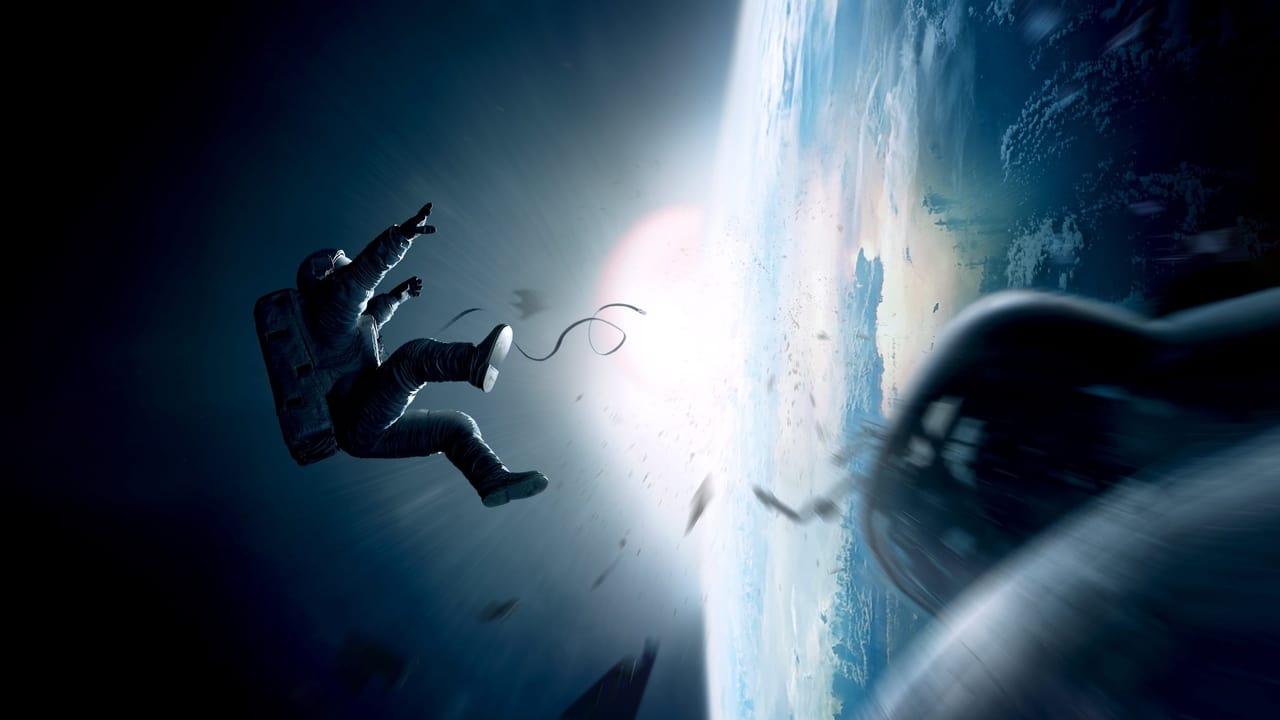
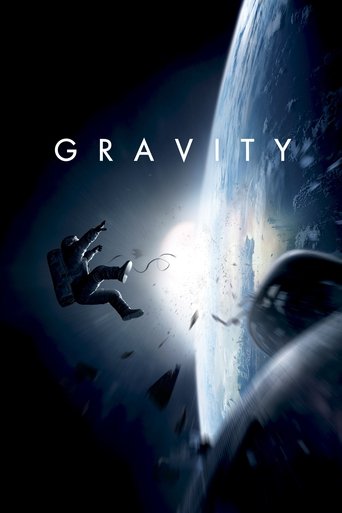
Dr. Ryan Stone—a medical engineer on her first shuttle mission—just wants to fix a Hubble Telescope component. Then debris from a Russian satellite strike turns her routine spacewalk into a fight for survival. Veteran astronaut Matt Kowalski cracks jokes while calmly calculating their dwindling oxygen supply, but his bravado can't stop the relentless physics of orbital mechanics. What stays with me after the credits is how little actually happens plot-wise—it's all just spinning, grasping, and panting—yet the film wrings unbearable tension from basic human vulnerability.
Direction & Cinematography
Alfonso Cuarón makes space feel both majestic and suffocating—the opening 13-minute single take establishes this immediately. Personally, I think the decision to avoid traditional 'action movie' editing during collisions pays off; watching Bullock tumble in real-time sells the disorientation better than quick cuts ever could. But I'll admit I didn't expect the film's middle section to feel this repetitive—there's only so many times we can watch someone crawl between airlocks before the novelty wears thin.
Cast & Performances
Sandra Bullock's hyperventilating is a character trait—Ryan's panicked breathing becomes the film's pulse, especially in the claustrophobic Soyuz capsule scenes. George Clooney nails Kowalski's performative cool, though his folksy monologues about Mardi Gras flirt with self-parody. What surprised me most was how much Ed Harris' Mission Control voicework adds—just three lines of deadpan NASA jargon somehow ground the chaos.
Character Psychology
Ryan wants to survive. What she needs is to stop floating through life after her daughter's death. The moment she finally stops thrashing and curls into a fetal position in the ISS—that's when she actually starts living again.
Themes & Emotional Depth
Gravity isn’t really about space—it’s about grief’s inertia. Ryan’s literal tether to Kowalski mirrors her emotional tether to the past. When she finally cuts both, the film reveals its core truth: Sometimes you have to let go to find solid ground.
Memorable Scenes & Dialogue
The debris field's first strike—no music, just the terrifying silence before aluminum shards shred the shuttle like paper. Cuarón holds on Bullock's spinning face for a full 20 seconds, forcing us to share her vertigo. Kowalski's final scene works because Clooney underplays it—his casual 'You gotta learn to let go' lands harder than any heroic sacrifice could.
The Ending — Does It Deliver?
The ending surprised me by being quieter than expected—after 80 minutes of chaos, Ryan's final moments are all exhale, no climax. It feels earned because every near-death escape taught her to stop fighting physics. What stayed with me was the mud on her hands—such a tactile contrast to the sterile vacuum we'd endured.
What Works
Bullock sells terror and exhaustion without histrionics—her shaky breaths in the Soyuz scene make oxygen depletion feel personal. The sound design (or lack thereof) immerses you—meteor strikes hit with silent brutality. Cuarón’s insistence on realistic lighting means every flare and shadow behaves like actual space.
Honest Criticism
Kowalski’s cowboy astronaut schtick hasn’t aged well—his 'Houston, I have a bad feeling about this mission' line now plays like clunky fan service. The hallucination scene undercuts the film’s hard realism. Some IMAX shots linger too long on Earth’s beauty at the expense of tension.
How It Compares
Compared to The Martian’s problem-solving optimism, Gravity feels primal—it’s Cast Away with orbital mechanics instead of volleyball. It lacks Interstellar’s ambition but bests it in sheer visceral impact. The pacing lags behind Apollo 13’s clockwork tension, though.
Legacy & Cultural Impact
Won 7 Oscars including Best Director—Cuarón’s long takes influenced films like 1917. Grossed $723M worldwide against a $100M budget, proving adult sci-fi could thrive. Often criticized for scientific inaccuracies, but its emotional honesty transcended nitpicks.
Behind the Scenes
Bullock trained underwater for hours to simulate zero-G movement. The infamous 13-minute opening shot required a custom-built LED lightbox and robotic camera rig. Cuarón cut 10 minutes of backstory about Ryan’s daughter to maintain pacing.
Who Should Watch It?
Space nerds who can forgive physics flaws for emotional truth will love this. Those needing complex plots or likable characters should rewatch Apollo 13 instead.
Final Verdict
8.2/10. Despite some clunky moments, Gravity earns its reputation through sheer craft and Bullock’s committed performance. Watch it for the sequence where silence becomes the scariest sound in the universe.
More details, ratings, and cast information on IMDb, TMDB, Wikipedia. YouTube