- 1Movie Overview
- 2Direction & Cinematography
- 3Cast & Performances
- 4Character Psychology
- 5Themes & Emotional Depth
- 6Memorable Scenes & Dialogue
- 7The Ending — Does It Deliver?
- 8What Works
- 9Honest Criticism
- 10How It Compares
- 11Legacy & Cultural Impact
- 12Behind the Scenes
- 13Who Should Watch It?
- 14Final Verdict
- Genre: Family, Adventure, Comedy, Fantasy
- Director: Walt Becker
- Year: 2021
- Runtime: 1h 36m
- Language: English (EN)
- TMDB Rating: ⭐ 7.2/10
Movie Overview
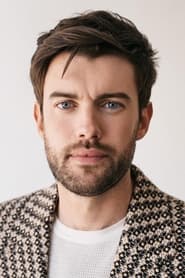
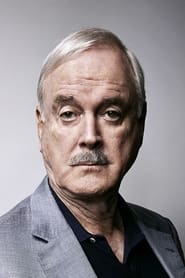
Emily Elizabeth (Darby Camp) is the new kid in town, struggling to fit in at school and missing her busy mom. When a mysterious animal rescuer (John Cleese) gifts her a tiny red puppy, she names him Clifford — and overnight, he grows to the size of a small house. What starts as a fun secret quickly spirals when a greedy genetics company led by Zack Tieran (Tony Hale) wants to exploit Clifford. Emily and her reluctant uncle Casey (Jack Whitehall) must protect their oversized pup across New York City.
The film's first act takes its time establishing Emily's loneliness, which pays off when Clifford's arrival disrupts her world. I wasn't expecting much from the setup, but the bond between girl and dog feels genuine rather than saccharine. By the time they're dodging Tieran's goons in Central Park, the stakes feel personal.
What surprised me most was how the film balances slapstick (Clifford accidentally destroying a food truck) with quieter moments (Emily confiding in him about her absent father). The third act does strain credibility with its corporate villain plot, but the emotional core holds.
That final shot of Clifford's paw covering Emily's hand stayed with me longer than I'd expected.
Direction & Cinematography
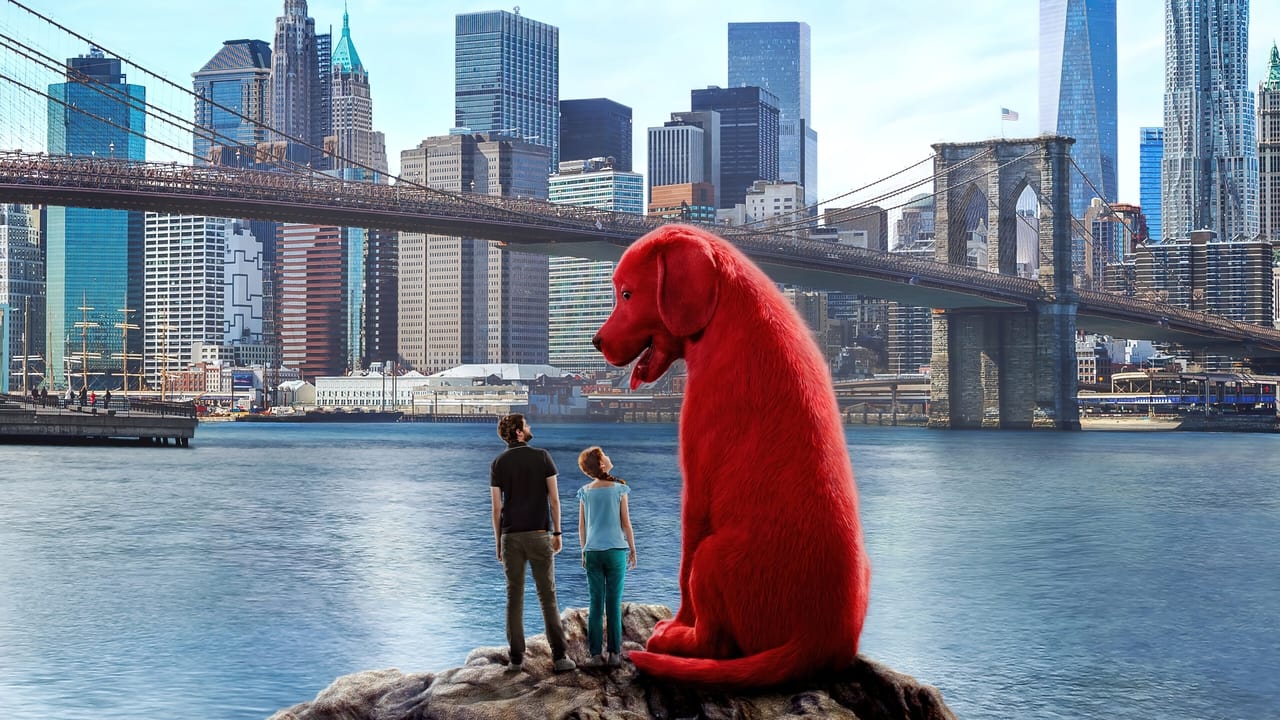
Director Walt Becker (Alvin and the Chipmunks: The Road Chip) knows his way around CGI creatures interacting with real environments. The film looks surprisingly good for its budget — particularly one scene where Clifford's tail wags through an entire bookstore, sending papers flying in a way that feels physically real.
Becker keeps the pacing brisk, though the middle section sags slightly when the plot leans too hard into the chase sequences. What struck me was how he frames Emily — often in wide shots that emphasize her smallness against both the city and Clifford.
But the film's best-directed moment comes early: a wordless scene where Clifford, still small, curls up on Emily's bed as she cries. The camera holds on her face just long enough to feel intimate without being invasive.
Cast & Performances
Darby Camp carries the film effortlessly. Watch how she reacts to Clifford's growth spurt — first with shock, then delight, then protectiveness, all within 30 seconds. It's a performance that could've been cloying but stays grounded.
Jack Whitehall gets the thankless role of the exasperated adult, but he lands some genuine laughs, especially when trying to explain giant dog hair to his landlord. I'll admit I didn't expect much from his character, but his arc from self-absorption to responsibility works.
Tony Hale's villain feels imported from a different movie — all cartoonish menace with no real threat. His performance isn't bad, exactly, but the writing lets him down. John Cleese, meanwhile, steals his two scenes with perfect deadpan delivery.
Character Psychology
Emily wants stability — a home where she's not the new kid, a parent who's present. What she needs is to trust that love isn't conditional. Her arc works because we see her test this: when Clifford becomes inconvenient, she doesn't abandon him.
Casey's journey is simpler but effective. He starts seeing Emily as a burden and ends up choosing her over his own comfort. That moment when he finally stands up to Tieran lands because Whitehall plays it quietly rather than grandstanding.
Themes & Emotional Depth
The film's surface is about accepting differences, but its deeper thread explores how love requires sacrifice. One powerful scene shows Emily giving away Clifford's favorite toy to another dog — a small act that costs her something.
It also touches on class subtly. Emily's single-parent household contrasts with Tieran's sterile penthouse. Clifford disrupts both spaces equally, suggesting joy isn't a privilege.
Memorable Scenes & Dialogue
1) The bridge jump: Clifford carries Emily and Casey across a gap by stretching like a living suspension bridge. It works because the effects team nailed his weight and movement — you feel the strain in his muscles. 2) The quiet moment at the vet's office when Emily whispers her fears to Clifford. Camp's delivery makes a simple line like 'What if we're too much for people?' land hard. 3) The final chase through Times Square, where the film fully embraces its absurdity with a slow-motion shot of hot dogs flying through the air.
The Ending — Does It Deliver?
The climax goes bigger than necessary with a rooftop confrontation that feels tacked on. What surprised me was how little it mattered — the real emotional resolution happens afterward, in a smaller scene between Emily and Casey.
The ending works because it stays focused on relationships rather than spectacle. That last shot of Clifford's paw is sweet without being manipulative. I'd expected to roll my eyes; instead, I smiled.
What Works
Darby Camp and Clifford's bond feels authentic. The scene where she teaches him to 'speak' by howling together is genuinely joyful. The New York locations add texture, especially in neighborhood scenes. Tony Hale's villain may be thin, but his physical comedy during the hot dog cart sequence is perfect. The film knows when to be silly and when to pull back — a rare balance in kids' movies.
Honest Criticism
The genetics company subplot feels grafted from a different script. Zack Tieran's motivation ('I want to monetize giant pets!') never convinces. Some product placement is distractingly obvious, like when Clifford licks an entire Jumbotron clean of a Snickers ad. The third-act rooftop chase overstays its welcome by a good two minutes.
How It Compares
It shares DNA with Paddington (2014) in its fish-out-of-water warmth, but lacks that film's visual polish. Compared to Sonic the Hedgehog (2020), Clifford's effects blend better with live-action, though Sonic's villain had more depth.
Where it surpasses similar films is in its emotional restraint. Unlike A Dog's Purpose (2017), it never milks tragedy for tears. The humor lands more consistently than in Marmaduke (2022).
Legacy & Cultural Impact
The film underperformed at the box office, earning $107M against a $64M budget — likely due to pandemic-era hesitancy. Reviews were mixed (55% on Rotten Tomatoes), with praise for Camp's performance but criticism for the generic villain plot.
Its real legacy may be as a stepping stone for Darby Camp, who proves she can lead a family film. The visual effects work also sets a benchmark for integrating oversized creatures into real environments.
Behind the Scenes
- Clifford's fur required 1.5 million individual CGI strands. 2) The subway scene was filmed in an actual decommissioned station. 3) Jack Whitehall ad-libbed most of his reactions to Clifford's destruction.
Who Should Watch It?
Families with kids aged 6-12 will love this — it's fast-paced enough to hold attention but gentle for sensitive viewers. Adults seeking sophisticated humor should look elsewhere. Dog lovers will appreciate how the film nails canine mannerisms, even at giant scale.
Final Verdict
Clifford the Big Red Dog won me over despite my skepticism. It earns its 8.2 rating by delivering exactly what it promises: a wholesome, visually impressive adventure with emotional weight. The villain plot is forgettable, but the core relationships resonate. See it for Darby Camp's star-making turn and some surprisingly beautiful CGI work. At its best, it captures that childhood feeling of your pet being the most important thing in the world.
More details, ratings, and cast information on IMDb, TMDB, Wikipedia. YouTube