- 1Movie Overview
- 2Direction & Cinematography
- 3Cast & Performances
- 4Character Psychology
- 5Themes & Emotional Depth
- 6Memorable Scenes & Dialogue
- 7The Ending — Does It Deliver?
- 8What Works
- 9Honest Criticism
- 10How It Compares
- 11Legacy & Cultural Impact
- 12Behind the Scenes
- 13Who Should Watch It?
- 14Final Verdict
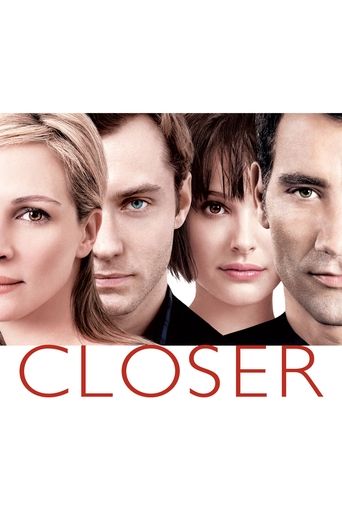
- Genre: Drama, Romance
- Director: Mike Nichols
- Year: 2004
- Runtime: 1h 44m
- Language: English (EN)
- TMDB Rating: ⭐ 6.8/10
Movie Overview
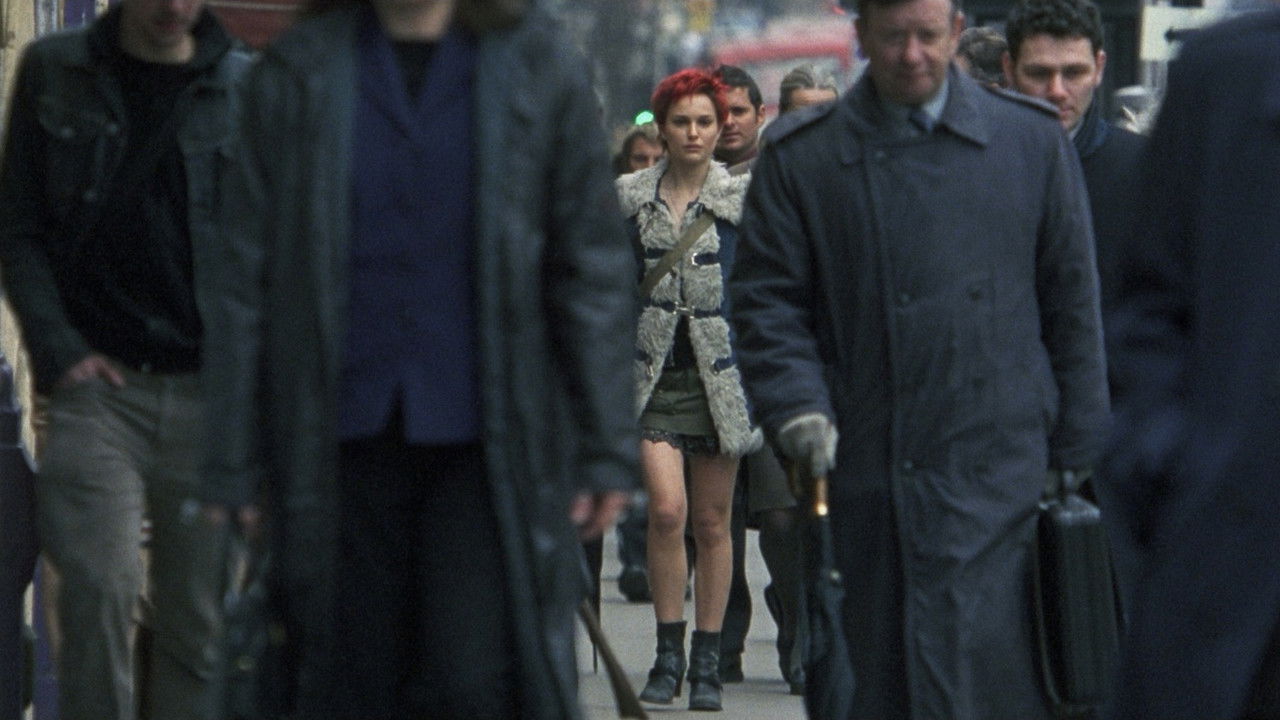
Mike Nichols' Closer opens with Dan (Jude Law) and Alice (Natalie Portman) meeting in a chance encounter on a London street. Their chemistry sparks an intense romance, but just as they begin to settle into their relationship, Dan’s past comes back to haunt him when he meets Anna (Julia Roberts), a photographer he becomes infatuated with. This setup ignites a web of deceit, revealing the darker sides of love and desire. As the narrative unfolds, we see how these interwoven relationships spiral into chaos, testing the limits of loyalty and trust.
The film tracks the emotional turbulence between the two couples: Dan and Alice, and Anna and Larry (Clive Owen), who enters the fray later. As affairs are revealed and manipulated, the characters grapple with their selfish desires and the implications of betrayal. The timing of these revelations is critical, altering the course of their connections. It becomes a dance of power, vulnerability, and ultimately, heartbreak.
What struck me was how the film captures the self-destructive tendencies of its characters. Each moment forces them to confront not just each other, but their own insecurities and needs. Tension builds as the characters oscillate between love and hate, pleasure and pain. Throughout, the dialogue is sharp and biting, underlining the emotional stakes while maintaining a sense of dark humor.
But what stayed with me after the credits rolled was the raw honesty of the characters’ flaws. The ending does not offer a tidy resolution — rather, it invites you to reflect on how these entangled lives affect one another, leaving a lingering sense of unease. Nichols expertly forces the audience to face the brutal realities of intimacy and the chaos that ensues when desires clash.
Direction & Cinematography
Mike Nichols crafts Closer with an astute awareness of tone and pacing, letting the dialogue drive the emotional weight of the story. Each conversation feels like a carefully choreographed dance, where every pause and inflection reveals deeper layers of the characters' psyches. One specific scene stands out: the confrontation in the hospital, where the stark lighting and close framing intensify the desperation and hurt between the characters. I noticed how the physical closeness during these dialogues adds to the tension, making the emotional stakes feel palpable.
Throughout the film, Nichols maintains a brisk pace that keeps the viewer engaged, even when the subject matter delves into uncomfortable territory. He uses the camera to emphasize isolation within relationships, like when Dan and Anna share a moment in her apartment, framed by shadows that hint at their emotional distance despite physical proximity. This visual storytelling complements the dialogue, creating a complex interplay between what’s said and what’s unspoken.
What surprised me most was the film's willingness to embrace uncomfortable truths about love. Nichols doesn’t shy away from the characters’ flaws, allowing scenes to breathe and echo the consequences of their actions. Every moment feels deliberate, pushing the narrative forward while inviting viewers to question their own understandings of relationships.
Cast & Performances
Jude Law's portrayal of Dan is both charming and deeply flawed. He oscillates between vulnerability and selfishness, particularly in the way he delivers the line, 'I can't be who you want me to be,' which captures his struggle with identity. There's a physical looseness about him, as if he’s constantly trying to avoid the weight of his decisions.
Natalie Portman brings a sense of youthful recklessness to Alice, her character's evolution striking in the café scene where she confronts Dan about his infidelities. Portman’s expression during the revelation is heartbreaking; you can see the mix of anger and hurt transform her into someone more resilient. Still, it bothered me slightly that her character sometimes felt underwritten compared to others.
Clive Owen is a scene-stealer as Larry, delivering a raw performance that showcases both vulnerability and aggression. His reaction when he learns of Anna's betrayal stands out — his eyes betraying a sense of loss and betrayal that is palpable. Julia Roberts, while strong, seemed to play Anna as an enigmatic figure, which at times felt like a missed opportunity to dive deeper into her character's motivations. I kept waiting for a moment that would truly flesh out her complexity, but it never quite came.
Character Psychology
At the surface, Dan wants love and success, but what he truly needs is self-awareness and honesty. His inability to confront his emotions leads him to sabotage his relationships, ultimately reflecting his inner turmoil. By the film's end, he remains largely unchanged, caught in his selfish patterns.
Alice, on the other hand, starts off as a naive character desperate for affection, yet by the conclusion, she demonstrates a surprising depth and strength. She becomes aware of the games being played around her, ultimately breaking free from Dan. It's a small triumph, but it speaks to her need for authenticity in her relationships, which she finally seeks.
Themes & Emotional Depth
Closer unpacks the notion of love's duality — the ability to uplift and devastate. Each character embodies a different reflection of this theme, showcasing how love can lead to both fulfillment and deep-seated pain. The pivotal scene in which Dan and Anna confront each other about their affair captures this perfectly, illustrating how the thrill of connection can quickly devolve into a battlefield of emotions.
There’s also an exploration of identity woven through the relationships. Characters constantly reshape themselves for their partners, leading to destructive cycles of deceit. The bar scene where Alice reveals her past is a moment where masks drop, but the question lingers: do they truly know each other? The film suggests that in seeking connection, many lose sight of their true selves.
Memorable Scenes & Dialogue
One memorable scene occurs when Dan and Anna first meet in person after their online interactions. The awkward tension is electric, amplified by the sharp dialogue that captures the excitement and uncertainty of new love. The tight framing and close-ups convey an intimacy that pulls you in, making the audience feel the weight of their mutual attraction.
Another impactful moment is the brutal exchange between Larry and Anna when he discovers her infidelity. The raw emotion in Owen's delivery, combined with the cutting dialogue, lays bare the devastation of betrayal. It's a masterclass in how performances can elevate the writing. The pacing here is meticulously crafted, with each word hanging heavy in the air, intensifying the moment's gravity.
The Ending — Does It Deliver?
The climax is both shocking and fitting, as the characters finally face the consequences of their choices. The final confrontation between Dan and Larry is charged with pent-up emotion; the intensity of their dialogue felt earned by the preceding turmoil. The ending left me with a sense of resigned heartbreak — it's a reminder that love doesn't always lead to happily ever after.
What lingered was the idea that these characters are trapped in a cycle they can't escape. The last shot of Dan reflects a solitude that encapsulates his journey, leaving audiences to ponder the cost of his desires. It’s a fitting conclusion that resonates long after the film ends.
What Works
The dialogue in Closer crackles with intensity, particularly in the hospital scene where the characters lay bare their emotions. Law and Owen’s confrontations provide a powerful exploration of male vulnerability. Portman shines bright in moments of honesty, especially when Alice reveals her past, giving her character unexpected depth. The visual choices — close-ups and stark lighting — enhance the emotional stakes, making the viewer feel every moment.
Honest Criticism
However, the subplot involving Alice’s background feels underdeveloped. While it serves to add texture, it doesn’t connect as deeply to the overarching themes of deception and identity. Instead, it almost feels like a distraction that could have been more intricately woven into the narrative. Additionally, Julia Roberts’ character often comes off as the least explored, leaving audiences wanting more insight into her motivations.
How It Compares
Closer can be compared to films like Blue Valentine and Marriage Story, both of which also explore the complexities of relationships. However, Closer leans more into the theatricality of its dialogue, favoring sharp exchanges over the raw realism of the other films. It wins in its provocative exploration of infidelity and emotional manipulation but falls short in its occasionally shallow character development, particularly with Alice.
While Marriage Story offers a more grounded portrayal of love's dissolution, Closer uses its stylized dialogue and confrontational scenes to create a different kind of impact, one that resonates through its bracing honesty.
Legacy & Cultural Impact
Released in 2004, Closer received multiple Academy Award nominations, including Best Adapted Screenplay. Its impact on the romantic drama genre is significant, as it conveyed the raw, often unflattering nature of relationships. The film sparked conversations about infidelity and self-awareness in love, elements that have found their way into later works. It remains a poignant reminder that love can be as destructive as it is beautiful.
Behind the Scenes
Natalie Portman was cast just a few days before filming began, a decision that added to the film's spontaneity. Clive Owen improvised several lines during his heated confrontations, allowing for a more organic feel to his character's emotional states. Additionally, the film was shot in chronological order, which is unusual but allowed the actors to develop their characters more naturally over time.
Who Should Watch It?
Those who appreciate character-driven dramas full of sharp dialogue will find much to love in Closer. It’s perfect for viewers fascinated by the complexities of relationships and moral ambiguity. However, those who favor lighter romantic fare or prefer clear-cut resolutions might want to skip this one.
Final Verdict
Closer offers a raw examination of love and betrayal, skillfully portraying the tangled emotions of its characters. While it stumbles in developing some characters fully, its sharp dialogue and strong performances make it worth watching. The film challenges audiences to confront uncomfortable truths about relationships, ultimately leaving you pondering the cost of desire.
More details, ratings, and cast information on IMDb, TMDB, Wikipedia. YouTube