- 1Movie Overview
- 2Direction & Cinematography
- 3Cast & Performances
- 4Character Psychology
- 5Themes & Emotional Depth
- 6Memorable Scenes & Dialogue
- 7The Ending — Does It Deliver?
- 8What Works
- 9Honest Criticism
- 10How It Compares
- 11Legacy & Cultural Impact
- 12Behind the Scenes
- 13Who Should Watch It?
- 14Final Verdict
- Genre: Action, Drama, Fantasy
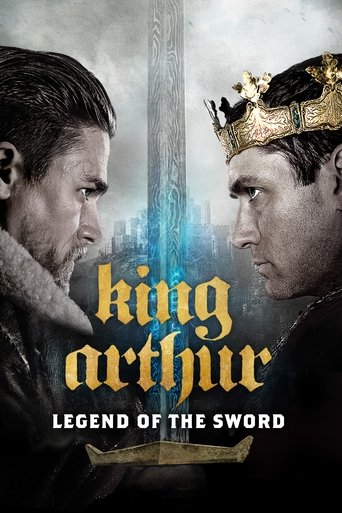
- Director: Guy Ritchie
- Year: 2017
- Runtime: 2h 6m
- Language: English (EN)
- TMDB Rating: ⭐ 6.6/10
Movie Overview
King Arthur: Legend of the Sword begins with a gripping prologue centered on young Arthur (played by a very young actor) witnessing the murder of his father, followed by the ruthless rise of his uncle, Vortigern (Jude Law). The film jumps to Arthur's adolescence, where he navigates the gritty streets of Londinium, unaware of his royal heritage. It’s a twisty journey of self-discovery as he unexpectedly pulls Excalibur from the stone, setting off a chain of events that thrust him into a rebellion against Vortigern. As Arthur gathers allies, including the fierce Guinevere (Àstrid Bergès-Frisbey) and the loyal Bedivere (Djimon Hounsou), the stakes rise, but the tonal shifts leave you wondering exactly what the film wants to say.
Despite its fantasy roots, Arthur's journey feels almost modern, heavily influenced by Guy Ritchie's signature style. The conflict isn't just about kings and swords; it's a battle for identity and legacy. Arthur struggles with the weight of expectation as he grapples with what it means to be a leader. But, the film often loses sight of its emotional depth, opting instead for flashy action scenes that distract from character development.
One of the most interesting choices is the side plot involving the sword itself, which serves as both a literal and metaphorical key to Arthur's destiny. However, the movie frequently interrupts its narrative flow with rapid editing and snappy dialogue typical of Ritchie's work, leading to a disjointed pacing that struggles to balance its serious themes and swashbuckling action. I kept waiting for deeper character moments, but they frequently got lost amidst the visual splendor.
By the time we reach the third act, the action sequences ramp up significantly, but they come at the cost of genuine emotional stakes. With Arthur's identity fully revealed and his potential as a king realized, it feels like the film rushes to tie up loose ends, leaving little room for reflection. The final showdown against Vortigern has all the bombast but lacks the emotional heft that would have made it truly resonate, leaving you with a sense of ambivalence as the credits roll.
Direction & Cinematography
Guy Ritchie's direction attempts to blend epic fantasy with a gritty urban aesthetic, but the execution varies. One standout moment occurs when Arthur first pulls Excalibur from the stone. The camera spins around him as his expression shifts from disbelief to understanding, a choice that visually conveys his internal conflict. I noticed how Ritchie’s rapid cuts and energetic pacing often clash with the story's more serious elements, creating an uneven tone that doesn’t always engage.
But the energy can be infectious at times, especially during action sequences where Ritchie's flair shines. The fight scenes are choreographed with a kinetic rhythm, reminiscent of his earlier work in films like Snatch. Just when you think the film is about to delve into Arthur's internal struggles, a flashy battle scene interjects, pulling you back into the spectacle. Yet, it felt like the quieter moments were overshadowed unnecessarily, which bothered me slightly.
The tonal shifts are jarring at points, particularly when comic relief is injected into dramatic moments, leaving viewers unsure of how to feel. I wasn't expecting the film to balance humor and drama so loosely, but it results in a story that feels less cohesive. This inconsistency hinders the film's ability to build genuine tension within its dramatic arc.
Cast & Performances
Charlie Hunnam brings a rugged charm to the titular role, delivering a performance that captures Arthur's evolution from street urchin to reluctant hero. His physicality shines through in action scenes, where his agility and frustration become palpable—particularly during the training montage. However, I'll admit I didn’t expect his dramatic moments to feel somewhat overshadowed by the film’s pacing.
Jude Law embodies the menacing Vortigern with a cold precision that makes him a formidable antagonist. His line delivery, especially when he confronts Arthur about their shared bloodline, is chilling. Law’s ability to balance vulnerability and villainy adds depth, but at times, the character feels underdeveloped, leaving me wanting more backstory on his motivations.
Àstrid Bergès-Frisbey’s Guinevere is a breath of fresh air amidst the male-centric narrative. Her fierce determination is evident, especially in her interactions with Arthur. One standout moment occurs when she rallies the troops, showcasing her strength and strategic mind. However, I felt she could have been given more screen time as her development is eclipsed by the film’s focus on Arthur’s journey, which feels like a missed opportunity.
Character Psychology
Arthur’s immediate desire is to gain respect and a sense of belonging in the streets of Londinium. He wants to prove himself, but he’s unaware of the legacy waiting to be claimed. Deep down, Arthur needs to accept who he is—the rightful king—with all its burdens. He’s not entirely self-aware at the beginning, painting him as a typical reluctant hero.
By the end, Arthur acknowledges his royal heritage and takes on the mantle of leadership. However, his journey feels rushed, and the character’s growth lacks nuance. He ultimately embraces his role, yet the film doesn’t explore his internal conflict deeply enough, leaving me longing for a richer exploration of his psychological transition.
Themes & Emotional Depth
At its core, King Arthur: Legend of the Sword grapples with identity and legacy. Arthur's journey speaks to the universal struggle of finding one’s place in the world. This is especially evident when he undergoes trials that force him to confront his past and his lineage. While the film hints at themes of destiny and choice, they often get lost amidst the spectacle.
Furthermore, the film touches on the concept of power—how it corrupts and elevates. Vortigern’s character embodies the destructive nature of unchecked ambition, while Arthur's ascension represents the potential for redemption through acceptance of one’s roots. These ideas are fascinating; too often, they’re overshadowed by action sequences rather than being woven into the narrative fabric.
Memorable Scenes & Dialogue
One memorable moment occurs during Arthur’s initial encounter with Excalibur, depicted with a swirling camera and sound design that amplifies the tension. The moment works because it encapsulates his internal struggle while also visually engaging the viewer with the gravitas of the sword’s significance.
Another standout scene features Arthur leading an attack against Vortigern’s men, showcasing his growth from a self-serving thief to a courageous leader. The cinematography captures the chaos of battle, and Hunnam’s commanding presence instills a sense of urgency. The combination of quick cuts and sweeping shots heightens the stakes, proving that when the film focuses on its characters, it can resonate.
Finally, the climactic confrontation between Arthur and Vortigern, while action-packed, serves as a pivotal moment of catharsis for Arthur. What struck me was how the emotional stakes could have been heightened further, but the execution relied too heavily on visual flair rather than character-driven drama.
The Ending — Does It Deliver?
The film's climax ultimately delivers on spectacle but lacks emotional depth. Arthur's final confrontation with Vortigern is visually impressive, featuring sweeping CGI landscapes and fast-paced combat. However, I felt the stakes were diluted due to previous tonal shifts throughout the narrative. The moment of triumph is somewhat undermined by the film's earlier decisions to prioritize action over character development, leaving me wanting a more profound exploration of Arthur’s emotional journey.
What stayed with me after the credits rolled was a sense of ambivalence regarding Arthur's victory. The film ends on a note of empowerment, with Arthur embracing his role as king, but without the resonance that should accompany such a significant character arc. It felt like the film didn’t fully earn that emotional payoff, which is a missed opportunity considering its rich source material.
What Works
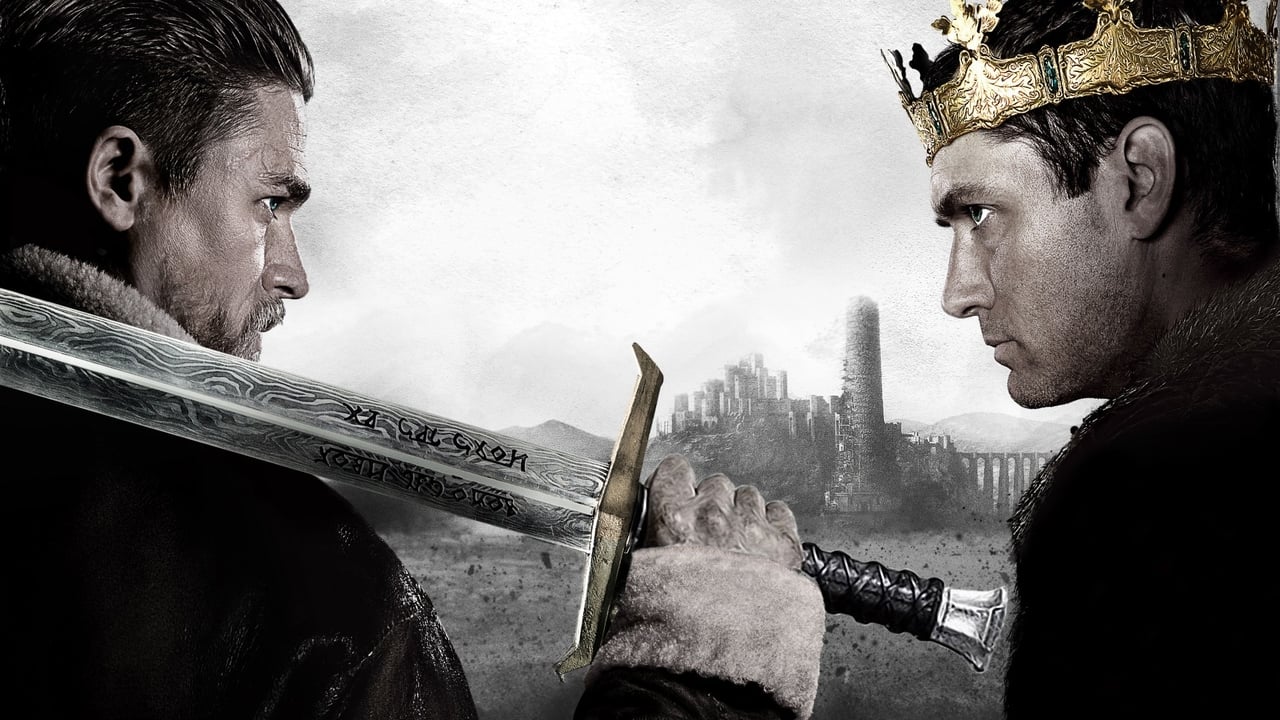
The film works best during its action sequences, particularly in Arthur's first battle where his growth is showcased. The choreography is executed with flair, and Ritchie's knack for creating visually engaging moments shines. Hunnam and Law's dynamic also adds tension, especially during their confrontations which are charged with conflicting motivations. The moment Arthur claims Excalibur is visually striking, establishing the sword as a symbol of destiny in a compelling manner.
Honest Criticism
The characterization of Guinevere feels like a missed opportunity. While she’s positioned as a strong ally, her backstory remains largely unexplored. It bothered me slightly that a character with such potential was relegated to a supporting role with little development. Additionally, the film's pacing often disrupts its emotional arcs, making it difficult to connect meaningfully with the characters’ journeys.
How It Compares
King Arthur: Legend of the Sword can be compared to other fantasy epics like 300 and The Last Kingdom. Unlike 300, which leans heavily into stylized violence and a clear moral dichotomy, Ritchie's film attempts to explore the complexities of Arthur's character. However, it falls short in providing the same level of emotional stakes that make 300 unforgettable. Similarly, while The Last Kingdom thrives on character depth and building relationships, King Arthur often sacrifices this for flashy action. The result is a film that, while visually striking, doesn’t offer the same emotional engagement as its competitors.
Legacy & Cultural Impact
King Arthur: Legend of the Sword received mixed reviews upon release, with a 6.6/10 rating on IMDb indicating a split audience reaction. Despite its ambitious take on the Arthurian legend, it struggled to resonate with viewers and fell short of box office expectations, grossing around $148 million globally against a budget of $175 million. The film sparked conversation about the viability of reinterpreting classic tales in a contemporary context, but its approach may have discouraged studios from exploring similar adaptations in the near future.
Behind the Scenes
Charlie Hunnam was not Ritchie's first choice for Arthur; initially, he turned down the role before being convinced to come back. Djimon Hounsou's character was originally intended to have a more significant role but was scaled back in the final edit. The film's budget constraints led to some CGI sequences being modified or cut entirely, impacting the overall visual coherence.
Who Should Watch It?
Viewers who enjoy high-energy action films with a modern twist on classic stories will likely find something to appreciate here. However, those seeking a deep exploration of Arthurian legend or character-driven narratives might want to skip this one, as it often prioritizes style over substance.
Final Verdict
King Arthur: Legend of the Sword is a visually engaging but uneven retelling of a classic myth. While it boasts strong action sequences and an interesting premise, its character development and pacing leave much to be desired. Ultimately, it’s a film that feels more superficial than substantial—worth a watch for action fans, but those looking for a richer narrative should probably pass.
More details, ratings, and cast information on IMDb, TMDB, Wikipedia. YouTube