- 1Movie Overview
- 2Direction & Cinematography
- 3Cast & Performances
- 4Character Psychology
- 5Themes & Emotional Depth
- 6Memorable Scenes & Dialogue
- 7The Ending — Does It Deliver?
- 8What Works
- 9Honest Criticism
- 10How It Compares
- 11Legacy & Cultural Impact
- 12Behind the Scenes
- 13Who Should Watch It?
- 14Final Verdict
- Genre: Drama, Thriller
- Director: Edward Berger
- Year: 2024
- Runtime: 2h 0m
- Language: English (EN)
- TMDB Rating: ⭐ 7.2/10
Movie Overview
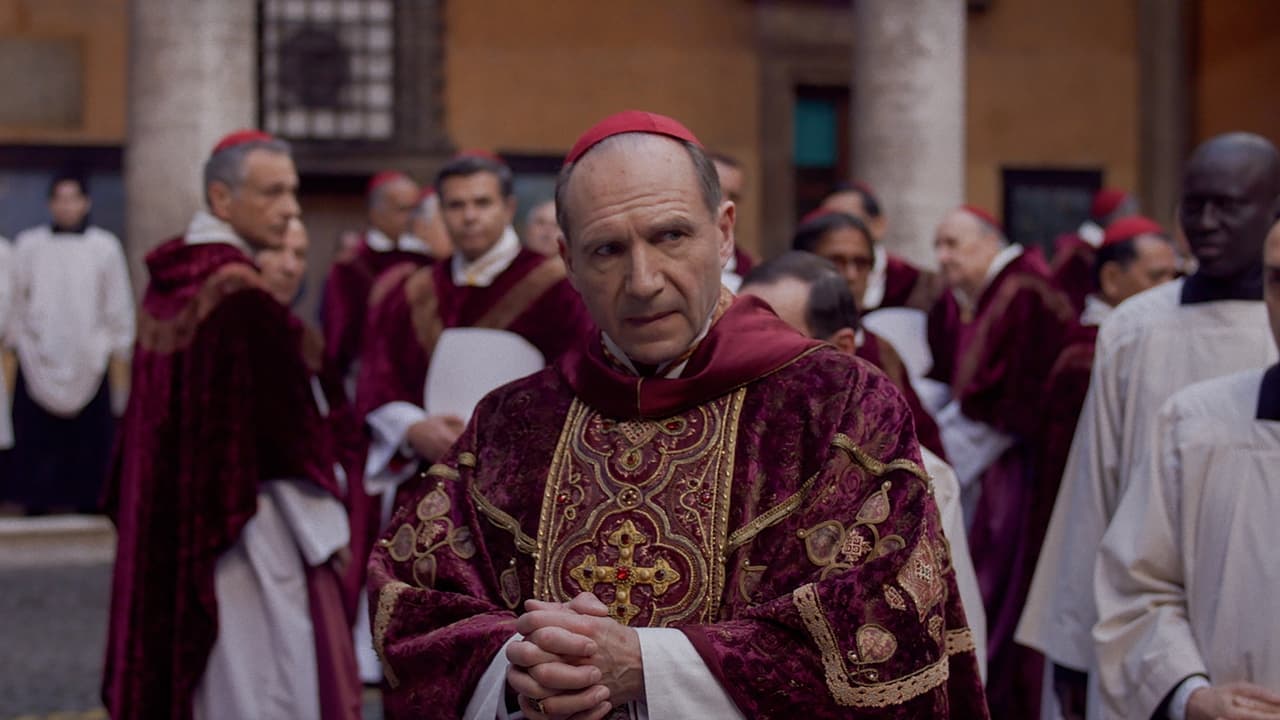
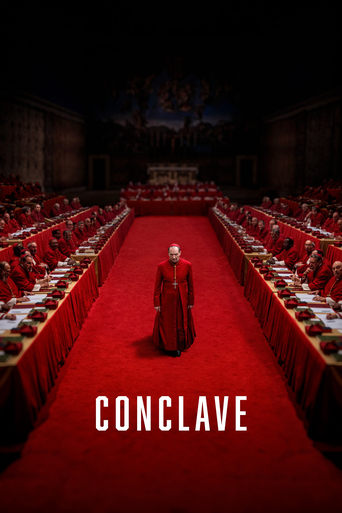
In Edward Berger's *Conclave*, the sudden death of Pope Gregorio throws the Vatican into a tailspin. Cardinal Lawrence, played by Ralph Fiennes, is thrust into the spotlight, tasked with overseeing the election of a new Pope amid a secretive conclave. As the cardinals are sequestered in the Vatican, tensions rise, revealing that the stakes are much higher than just choosing a new leader. Dark conspiracies lurk behind pious facades, prompting Lawrence to navigate a labyrinth of power plays and hidden agendas.
The film expertly weaves the personal and political as Lawrence grapples with his own beliefs while trying to maintain order. Each cardinal presents a unique ideology, but their hidden motivations threaten to unravel the very fabric of the Church. The emotional weight of responsibility weighs heavily on Lawrence, who finds himself in the eye of a storm where loyalties are tested and the future of the Catholic Church hangs in the balance.
As the conclave progresses, alliances shift and the tension crescendos, highlighting the complex dynamics among the cardinals. I kept waiting for a profound revelation about Lawrence’s character, but it never comes in a way that feels satisfying. Instead, the film focuses on the immediate tension rather than the deeper narrative arcs, which I thought was a missed opportunity.
What stayed with me after the credits rolled was the ambiguity of power and faith — while the film offers a thrilling glimpse into the inner workings of the Vatican, it leaves many questions unanswered, hinting at a darker reality behind the closed doors of the papacy.
Direction & Cinematography
Edward Berger, known for his meticulous attention to detail, delivers a tension-laden atmosphere in *Conclave*. The cinematography often traps the characters in close-ups, emphasizing their isolation and the claustrophobic nature of the conclave. In one gripping scene, the camera lingers on Cardinal Lawrence as he overhears whispers of conspiracy, capturing the weight of the moment and his growing anxiety.
Pacing is tight, and the tone oscillates between tense drama and subtle humor, reflecting the absurdity of the high-stakes environment. I noticed that the dialogue feels sharp and pointed, which enhances the urgency of the narrative. There’s a moment early on where a cardinal's smirk while discussing doctrine starkly contrasts the grave situation, adding layers of irony.
But I found myself wishing for moments of levity to break up the overall heaviness. The dialogue, while well-crafted, sometimes leans into exposition rather than letting the characters breathe. Berger’s direction nails the overall mood, yet at times feels excessively earnest, making the more humorous elements stand out even more when they occur.
Cast & Performances
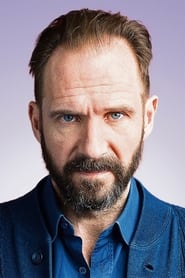
Ralph Fiennes shines as Cardinal Lawrence, embodying a man torn between faith and duty. His subtle reactions — a furrowed brow here, a hesitant nod there — speak volumes about his internal struggle. I’ll admit I didn’t expect such depth from what could have been a straightforward role, but Fiennes brings a complexity that anchors the film.
Stanley Tucci's Cardinal Giovanni serves as both antagonist and ally, wielding a sardonic charm that keeps you guessing. His delivery of lines like, 'The smoke of the world has never cleared from the Holy See,' lands well, revealing a man who uses wit to mask his ambitions. However, I felt that Tucci's character could have been fleshed out more; there were moments where his motivations felt a bit too vague.
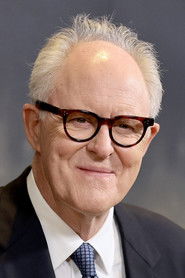
John Lithgow provides a memorable presence as Cardinal Bartucci, showcasing a weary wisdom that contrasts sharply with the younger cardinals. In one key scene, his quiet despair as he reflects on the Church's future resonates deeply. What surprised me most was how Lithgow's character reveals a softer side, hinting at the conflicts within the Church that the film touches upon but doesn't fully explore.
Character Psychology
Cardinal Lawrence wants to maintain stability within the Church after the Pope’s death, believing that his role is to guide the process with integrity. However, what he actually needs is to confront his own doubts and the moral complexities of the power struggle around him. This internal conflict drives much of the narrative.
Ultimately, Lawrence remains somewhat unaware of how deeply he is affected by the events around him. He does not fully change; rather, he learns to navigate the treacherous waters of papal politics without addressing the core of his beliefs, which leaves him in a state of tension that feels unresolved.
Themes & Emotional Depth
Beneath the surface, *Conclave* explores the nature of power and belief. The election of a new Pope becomes a metaphor for the struggle between tradition and progress within a deeply entrenched institution. This is especially highlighted in the debates between the cardinals, where each one embodies different ideological perspectives on faith and governance.
Another critical aspect is the idea of secrecy and its implications for truth. The film dives into how hidden agendas can corrupt even the most sacred spaces and traditions, as exemplified in the way the conclave operates. The characters are constantly grappling with their public personas versus their private motivations, which creates a rich but troubling landscape of morality.
Memorable Scenes & Dialogue
One standout moment occurs when Lawrence confronts Cardinal Giovanni in the chapel, where the stark lighting and haunting music amplify the tension. The dialogue is sharpened by the weight of history behind them, making it a pivotal scene that captures their ideological clash. This confrontation not only highlights their power struggle but also exposes Lawrence’s vulnerability.
Another powerful scene takes place in the dimly lit voting chamber, where the cardinals cast their votes in silence. The camera pans across their faces, revealing a mix of anxiety and determination. It's a masterclass in using silence and visual storytelling to convey the gravity of the situation — what isn’t said speaks volumes.
A lighter but equally impactful moment happens when two younger cardinals share a quick, knowing glance during a heated debate. This brief exchange provides comic relief while also hinting at the generational divide within the Church, showcasing Berger’s ability to balance tension with levity.
The Ending — Does It Deliver?
The climax builds as the cardinals cast their final votes, culminating in an unexpected twist that tests Lawrence's resolve. The film does an effective job of setting this moment up, weaving in the building tension from earlier dialogues and alliances. I wasn't expecting much from the conclusion, but the way it unfolds held my attention until the very last moment.
The final shot, which lingers on Lawrence’s contemplative face as he steps out into the sunlight, left me reflecting on the complexities of leadership and faith. It’s an ambiguous ending, sparking questions about what lies ahead for both Lawrence and the Church — a fitting conclusion for a film that thrives on uncertainty.
What Works
One of the film's strongest aspects is its ability to create suspense within the confines of the conclave. The tight shots and claustrophobic setting enhance the feeling of urgency. Fiennes gives a layered performance, especially in scenes where his character's internal conflict is palpable, like when he wrestles with the implications of the cardinals' choices. Additionally, the dialogue shines when it cleverly juxtaposes faith with political maneuvering, elevating the stakes.
Honest Criticism
It bothered me slightly that some secondary characters feel underdeveloped, particularly Cardinal Giovanni, whose motivations could have been fleshed out more. His transformation from ally to antagonist happens rather abruptly, leaving questions about his true intentions. Additionally, a subplot involving the younger cardinals' rivalry, while potentially interesting, feels more like an afterthought rather than an integral part of the narrative.
How It Compares
Similar films like *The Two Popes* and *Spotlight* offer intriguing insights into the Catholic Church, but *Conclave* carves out its niche by focusing on the political machinations within the conclave itself. Unlike *The Two Popes*, which leans heavily on personal narrative and character development, *Conclave* immerses the viewer in a web of intrigue and conspiracy.
Where it falls short compared to *Spotlight* is in its exposition-heavy dialogue, which can detract from the emotional weight of the characters. I felt *Conclave* could have benefited from a more intricate exploration of its secondary characters rather than relying on broad archetypes.
Legacy & Cultural Impact
Released in 2024 and garnering a 7.2 on IMDb, *Conclave* sparked discussions about the inner workings of the Catholic Church in a contemporary context. While it may not have swept major awards, it resonates with audiences curious about institutional power and secrets, contributing to the ongoing conversation about faith and morality in modern society. The film's exploration of these themes in the wake of recent scandals gives it a timely relevance that will likely be examined in future critiques of political dramas.
Behind the Scenes
Ralph Fiennes took on the role of Cardinal Lawrence just a week before filming began, showcasing his versatility and commitment to the part. The film shot on location in the Vatican for several scenes, providing an authentic backdrop that enhances the story's believability. Interestingly, much of the dialogue came from extensive improvisation sessions among the cast, resulting in a more natural flow and dynamic interplay between characters.
Who Should Watch It?
Viewers interested in political dramas with a religious backdrop will likely find much to appreciate in *Conclave*. Those who enjoy character-driven narratives that focus on moral and ethical dilemmas should stay tuned. However, if you're looking for action-packed storytelling or light-hearted humor, you might want to skip this one.
Final Verdict
Overall, *Conclave* offers a tense and thought-provoking exploration of power within the Catholic Church, making it worth your time if you enjoy political intrigue. The film successfully captures the weight of its themes, although not every subplot hits the mark. Watch it for its engaging performances and the nuanced portrayal of a world steeped in tradition and secrecy.
More details, ratings, and cast information on IMDb, TMDB, Wikipedia. YouTube