- 1Movie Overview
- 2Direction & Cinematography
- 3Cast & Performances
- 4Character Psychology
- 5Themes & Emotional Depth
- 6Memorable Scenes & Dialogue
- 7The Ending — Does It Deliver?
- 8What Works
- 9Honest Criticism
- 10How It Compares
- 11Legacy & Cultural Impact
- 12Behind the Scenes
- 13Who Should Watch It?
- 14Final Verdict


- Genre: Comedy, Fantasy, Adventure, Drama
- Director: Wes Anderson
- Year: 2023
- Runtime: 0h 39m
- Language: English (EN)
- TMDB Rating: ⭐ 7.2/10
Movie Overview
In The Wonderful Story of Henry Sugar, we follow Henry (Benedict Cumberbatch), a wealthy man who stumbles upon a book about a guru with the extraordinary ability to see without using his eyes. Intrigued by the potential for financial gain, he becomes obsessed with mastering this skill to cheat at gambling. The setup hooks you immediately—with lavish visuals and Cumberbatch's sharp portrayal of Henry's initial cynicism. As he delves deeper into his training, he meets the guru (Ben Kingsley), whose wisdom challenges not just Henry’s greed but also his view of life itself.
The conflict arises as Henry's journey transforms from a selfish pursuit of wealth to a more profound exploration of existence. He makes quirky choices, such as donning an elaborate disguise to try out his newfound ability without drawing suspicion. However, his internal struggle starts to bubble up, leaving audiences curious about whether he can truly escape his materialistic mindset. I kept waiting for a moment of self-realization, and it finally came through an unexpected encounter that shifts his motivations entirely.
As the narrative unfolds, the emotional arc is subtle but effective. The short runtime of 39 minutes may leave some viewers wanting more depth, but what it lacks in length, it compensates with a tightly woven story that feels complete. The final moments almost echo a parable, leaving you with a lingering question: Can wealth truly equate to happiness? What surprised me most was the film's ability to provoke thought amid Wes Anderson's trademark quirkiness.
Ultimately, the blend of comedy, fantasy, and drama creates a whimsical experience that keeps you engaged without overstaying its welcome. The imaginative visuals and storytelling mechanics serve as a reminder of the richness that exists beyond material wealth.
Direction & Cinematography
Wes Anderson's direction in The Wonderful Story of Henry Sugar is visually distinctive, featuring his usual symmetry and vibrant color palette. One shot that stands out occurs when Henry first meets the guru — the camera pans slowly, capturing the juxtaposition of the opulent environment against the guru's simplicity. This choice amplifies the themes of perception versus reality and sets the stage for Henry's transformation.
The pacing, while brisk due to its short runtime, doesn't feel rushed. Anderson orchestrates the film’s rhythm with a playful tone that reflects Henry's initial frivolity. But as the story deepens, the rhythm shifts slightly, echoing Henry's internal changes. I noticed how the whimsical elements fade as the narrative approaches its critical juncture — it's a clever technique that enhances the emotional stakes.
What struck me was how Anderson's signature style harmonizes with a fable-like narrative. This film feels like a storybook come to life, with each frame bursting with detail. There's a charm in its eccentricity, making the viewer both amused and contemplative. The whimsical atmosphere propels the story while subtly framing the deeper themes.
Cast & Performances
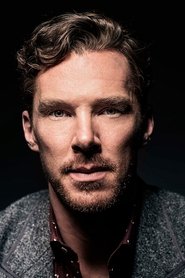
Benedict Cumberbatch, as Henry, delivers a captivating performance that swings from arrogance to genuine introspection. His physicality adds layers to his character, such as when he shuffles awkwardly while trying to navigate the world without sight. In one scene, his wide-eyed reaction to success at the casino is both humorous and revealing — it’s here that we see the first cracks in his facade.
Ralph Fiennes portrays the guru with a deliberate calmness, embodying wisdom and humility. His presence commands attention, especially during the moment he first demonstrates his skill. The subtlety in Fiennes' tone as he explains the importance of inner vision beautifully contrasts with Henry's brashness. Yet, I’ll admit I didn’t expect Fiennes to have such a limited role in a film where his character is crucial; a little more exploration of his backstory could’ve enriched the narrative.
Dev Patel and Ben Kingsley provide solid support, each bringing their unique charm. Kingsley, with his serene demeanor, creates a compelling mentor figure, while Patel's character adds a touch of whimsy. However, some supporting characters felt underwritten, with moments that didn't land for me, particularly Patel's comedic timing, which occasionally veered into cliché. Still, their contributions enhance the film's overall quirky tone.
Character Psychology
On the surface, Henry desperately seeks the ability to cheat and amass wealth. He craves the thrill of winning, believing it will fill an emotional void. However, what he truly needs is the realization that happiness lies beyond riches, a lesson he learns during his transformative journey. His character growth is gradual; by the end, he exhibits hints of self-awareness but remains conflicted about his desires.
Henry doesn't fully escape his old ways, trapped by societal expectations and his initial motivations. His journey is less about changing fundamentally and more about glimpsing a different perspective. There’s a bittersweet quality in his realization — it's a reminder that transformation often comes in layers, and sometimes, personal growth isn’t as straightforward as it seems.
Themes & Emotional Depth
At its core, The Wonderful Story of Henry Sugar tackles the illusion of wealth and the deeper pursuit of fulfillment. The guru’s teachings serve as an allegory, reminding viewers that the ability to see more clearly often means looking beyond the surface. This theme is embodied in a poignant moment when Henry first experiences the world through the guru's lens, providing a stark contrast to his previous life of excess.
Additionally, the film delves into the concept of mastery and its implications. Henry's quest for a skill that promises financial gain mirrors our own tendencies to seek shortcuts. Anderson cleverly illustrates how true insight requires patience, awareness, and a willingness to let go of superficial desires, making the story resonate on a human level.
Memorable Scenes & Dialogue
One of the standout scenes occurs when Henry first attempts to navigate a crowded casino blindfolded, relying solely on his newfound abilities. The tension is palpable as he stumbles, punctuated by humor, showcasing Cumberbatch's comedic timing. The juxtaposition of his confidence against his actual struggles works perfectly, highlighting his character's flaws.
Another memorable moment is Henry’s first encounter with the guru. The serene atmosphere, accentuated by Kingsley’s calm demeanor, draws you into their world. The effective use of lighting softens the scene, creating a sense of enchantment. This moment embodies the film’s core themes while establishing a critical turning point for Henry.
Finally, the closing shot leaves viewers with a bittersweet sense of hope. Henry sits peacefully, contemplating everything he's learned, the camera slowly pulling away. It works beautifully, emphasizing the growth he's undergone while leaving the audience to reflect on the broader implications of his journey.
The Ending — Does It Deliver?
The film's ending feels earned, seamlessly tying together the themes of understanding and self-awareness. Henry’s final moment of clarity is not just a victory; it’s an awakening, making you think about what true success means. I was pleasantly surprised by how the narrative subverts the typical ending of a wealth-focused story — it opts for depth instead.
The last shot, lingering on Henry’s contemplative face, leaves you with a mix of satisfaction and questions. What stayed with me after the credits was the reminder that fulfillment comes from personal growth rather than external validation. It’s a gentle nudge for viewers to reflect on their own pursuits, which is a refreshing take in today’s cinematic landscape.
What Works
The film's visual style works remarkably well, with vibrant colors and meticulous set designs that create an immersive experience. The scene where Henry first attempts to embrace the guru’s teachings is particularly well-crafted, blending humor with introspection. Cumberbatch's comedic timing shines here, as he navigates the absurdity of his situation. The pacing also benefits from Anderson's direction, allowing the story's themes to resonate without unnecessary filler — a rarity in today's longer films.
Honest Criticism
The subplot involving Henry’s gambling escapades sometimes feels forced, especially in contrast to the deeper themes of self-discovery. It bothered me slightly that these moments, while humorous, detracted from the film's overall message. Additionally, some characters, particularly those surrounding the guru, feel underdeveloped and less impactful on the main narrative, which may leave viewers wanting more context.
How It Compares
The Wonderful Story of Henry Sugar reminds me of other Wes Anderson films like The Grand Budapest Hotel and Fantastic Mr. Fox, which similarly blend whimsy with deeper themes. However, this short film excels in its ability to deliver a compact narrative that resonates without feeling bloated. While Anderson’s previous works sometimes struggle with pacing, here, the short format allows for a focused exploration of ideas.
Where it falls short compared to longer narratives is in character development. Some supporting characters remain intentionally shallow, which might disappoint viewers hoping for a more intricate story arc. That said, if you're looking for an efficient dose of Anderson's aesthetic and thematic exploration, this film delivers.
Legacy & Cultural Impact
Having recently premiered on Netflix, The Wonderful Story of Henry Sugar has sparked conversations about the balance between wealth and fulfillment, a theme that's increasingly relevant today. With a TMDB rating of 7.2/10, it's gaining traction as a notable entry in Anderson's filmography. The film serves as a testament to the director's ability to weave meaningful narratives within concise formats, further solidifying his unique storytelling approach in the modern cinematic landscape.
While it may not claim major awards just yet, it undoubtedly contributes to Anderson's legacy of thought-provoking tales, inspiring discussions among fans and critics alike.
Behind the Scenes
Wes Anderson adapted the film from a short story by Roald Dahl, a decision that shaped its playful tone. Ralph Fiennes and Benedict Cumberbatch both initially hesitated to join the project, but were ultimately drawn in by Anderson's vision. Additionally, a specific scene involving a dog was filmed entirely with puppetry due to budget constraints, showcasing the film's creative ingenuity.
Who Should Watch It?
Fans of Wes Anderson's quirky storytelling style will likely love this film, especially those who appreciate visual storytelling combined with deeper philosophical themes. However, viewers looking for a straightforward narrative with dynamic character arcs might find it lacking. If you’re not particularly fond of Anderson’s aesthetic, you might want to skip this one.
Final Verdict
The Wonderful Story of Henry Sugar is a delightful exploration of wealth, vision, and personal growth, wrapped in Wes Anderson's whimsical style. It’s a compact film that pushes viewers to ponder what truly matters in life, an engaging journey well worth your time. I recommend it for anyone seeking a brief, thoughtful escape into a colorful world of wonder.
More details, ratings, and cast information on IMDb, TMDB, Wikipedia. YouTube