- 1Movie Overview
- 2Direction & Cinematography
- 3Cast & Performances
- 4Character Psychology
- 5Themes & Emotional Depth
- 6Memorable Scenes & Dialogue
- 7The Ending — Does It Deliver?
- 8What Works
- 9Honest Criticism
- 10How It Compares
- 11Legacy & Cultural Impact
- 12Behind the Scenes
- 13Who Should Watch It?
- 14Final Verdict

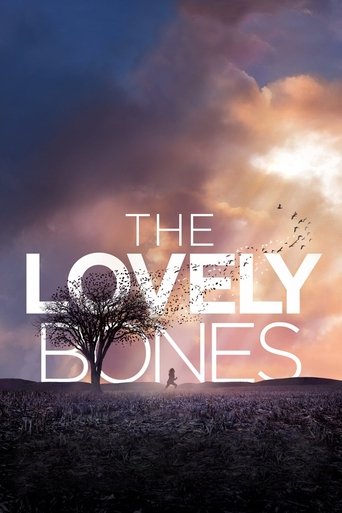
- Genre: Fantasy, Drama
- Director: Peter Jackson
- Year: 2009
- Runtime: 2h 16m
- Language: English (EN)
- TMDB Rating: ⭐ 7.1/10
Movie Overview
The Lovely Bones opens with a haunting premise: Susie Salmon, a 14-year-old girl, is murdered by her neighbor, Mr. Harvey, played chillingly by Stanley Tucci. The initial scenes establish Susie's vibrant life and her aspirations, creating a stark contrast to her dark fate. As she observes her family from a liminal state between heaven and earth, we see their grief unfold. Her father, Jack (Mark Wahlberg), becomes fixated on finding her killer, while her mother, Abigail (Rachel Weisz), struggles with her own despair and ultimately becomes emotionally distant.
What struck me most was the film's exploration of how Susie's family attempts to move forward in the wake of her death. Each character wrestles with their pain differently. For instance, Susie's sister, Lindsey (Rose McIver), matures under the weight of loss, while Susie's brother, Buckley, seems lost in childhood innocence. The film oscillates between moments of surreal fantasy and the rawness of grief, leading to a compelling emotional arc, though some moments feel overly whimsical.
The conflict intensifies as Susie's observation of her family grows more painful, especially when it appears they might actually forget her. She desires revenge, yet what she needs is healing for her family. The final act presents a poignant climax as the connection between Susie's spirit and her family reaches a boiling point, forcing her to confront her own desires versus the reality of the living.
But I can't ignore the pacing issues; the narrative occasionally drags, particularly when it veers into Susie's heaven, which can pull away from the urgency of the family's struggles. The final sequences offer a bittersweet resolution that ties together the film's thematic elements while still leaving some threads unresolved. Overall, the film captures the essence of navigating grief, but it sometimes stumbles in its execution.
Direction & Cinematography
Peter Jackson directs The Lovely Bones with a mix of dark fantasy and heartfelt drama that reflects the surreal nature of grief. The cinematography often features dreamlike sequences, particularly when showcasing Susie’s personal heaven. One memorable shot shows a swirling, colorful landscape as Susie communicates with other spirits, visually representing her inner turmoil and longing for resolution.
On rewatch, I noticed how Jackson uses camera angles to emphasize isolation and connection. For instance, the opening scene captures Susie walking through her neighborhood with a wide-angle lens, giving a sense of warmth and familiarity—only to contrast that with tight shots in her family's moments of despair, effectively showcasing their emotional distance. This juxtaposition reinforces the film’s exploration of how tragedy can tear families apart.
I’ll admit I didn't expect the tone to shift as dramatically as it did from somber to whimsical. While some viewers may find this jarring, it worked for me since it reflects Susie’s struggle between wanting to hold onto her family and the necessity of letting go. The pacing, however, can feel uneven, especially in the first half where some sequences linger too long, diluting the urgency of the narrative.
Cast & Performances
Saoirse Ronan brings a genuine innocence to Susie Salmon, especially in her early scenes that highlight her youthful optimism. The way she reacts to the world around her—a fleeting glance or an excited laugh—effectively contrasts with the later scenes of her observing her family’s pain from above. I found her ability to convey a range of emotions impressive, especially considering the film's heavy themes.
Mark Wahlberg as Jack Salmon portrays a father desperate for answers, and his physical choices—like clenching his fists or pacing—showcase his internal struggle. However, there were moments where his portrayal veered into melodrama, especially during confrontations with Mr. Harvey, where I felt the intensity overshadowed the subtlety of his character’s grief.
Rachel Weisz plays the emotionally detached mother, Abigail, who descends into her own darkness. What surprised me most was her ability to channel hurt through silence; her reaction shots during family gatherings effectively depict her internal conflict. Yet, it bothered me slightly that her character felt underdeveloped compared to her husband, leaving some emotional arcs feeling incomplete.
Character Psychology
Susie Salmon’s surface desire is clear: she wants revenge for her murder and wishes to protect her loved ones. However, beneath that, what she truly needs is resolution and for her family to heal. As the film progresses, she grapples with her desires, realizing that her revenge might not bring the peace she craves. Ultimately, she becomes more self-aware in her liminal existence, understanding that her family's love for her is what will guide them towards healing.
What stuck with me was Susie’s transition from a naive teenager to a spirit seeking closure. This shift presents a layered character arc that effectively illustrates her growth—though, in some ways, her understanding of her needs feels rushed in the final act. Overall, her journey echoes the struggle between vengeance and the need for familial bonds to mend.
Themes & Emotional Depth
The Lovely Bones dives deep into the complexities of grief, exploring how loss can fracture relationships and alter identities. A scene that encapsulates this theme is when Susie’s family tries to celebrate her birthday posthumously, only to find themselves overwhelmed by absence and memories. This moment establishes that their attempts at normalcy are futile without addressing their pain.
Moreover, the film reflects on the idea of moving on after trauma. Susie’s perspectives from her heavenly realm reveal that while she wants to protect her family, they must also learn to live without her. The tension between holding on and letting go runs throughout, making the story resonate on a universal level, albeit sometimes in a heavy-handed manner.
Memorable Scenes & Dialogue
One standout moment occurs when Susie first enters her heavenly realm. The visuals are vibrant and dreamlike, reflecting her innocence and desire for peace. Jackson’s direction creates a surreal experience that feels simultaneously magical and heartbreaking, making the viewer acutely aware of her plight.
Another powerful scene happens when Jack confronts Mr. Harvey. The tension is palpable, heightened by Wahlberg's clenched fists and tight body language. This confrontation serves as a pivotal moment for Jack, pushing him to his brink and highlighting the depths of his anguish. The staging of this encounter—set against the backdrop of Susie's absence—makes it even more impactful, as the viewer feels the weight of unresolved grief.
Finally, the ending is particularly moving, where Susie finally encourages her family to let her go. The gentle fading of her presence is beautifully staged, with her spirit dissipating into the sunlight. It’s a bittersweet closure that resonates, as it ties together her journey and her family’s healing process.
The Ending — Does It Deliver?
The conclusion of The Lovely Bones feels earned, as the build-up leads to a poignant resolution between Susie and her family. I was surprised by how the film tied together the themes of grief and healing, particularly in the final moments when Susie encourages her family to move forward. The emotional weight of this scene lingers, leaving viewers with a mix of sadness and hope.
The final shot, with Susie’s spirit merging with sunlight, symbolizes both closure and the enduring bond of love. It doesn’t aim for a traditional happy ending, which I appreciated since it feels more authentic. Instead, it leaves you contemplating loss and healing, which is a stark but necessary conclusion to her journey.
What Works
What works best in The Lovely Bones is its ability to combine surreal visuals with a grounded emotional core. The scenes in Susie's heaven are beautifully crafted and creatively staged, making her journey engaging despite the heavy themes. Saoirse Ronan's performance brings a youthful essence to Susie, effectively capturing her innocence and pain. The climax, where Susie encourages her family to let go, is emotionally resonant and underscores the film's deeper themes of healing and acceptance.
Honest Criticism
It bothered me slightly that some of the supporting characters, especially Abigail, felt underdeveloped throughout the film. Rachel Weisz delivers a good performance, but her character's arc seems rushed, leaving her motivations unclear during significant moments. Additionally, the pacing could have been tightened, as sections of the film, particularly in Susie's heaven, drag on without much impact, diluting the urgency of her family's grief.
How It Compares
If we compare The Lovely Bones to films like A Monster Calls (2016) and Ghost (1990), we see different approaches to dealing with loss and connection. A Monster Calls dives into the metaphysical with a focus on childhood grief, while Ghost blends romance and supernatural elements. The Lovely Bones, in contrast, leans heavily into the surreal while maintaining a strong focus on familial relationships. However, it sometimes loses its pacing, making it less impactful than A Monster Calls, which balances fantasy and heartbreak more effectively.
While The Lovely Bones certainly has its imaginative moments, it often veers into sentimentality, which can distract from its core message. Unlike Ghost, which finds a way to mix romance with the supernatural, The Lovely Bones feels weighed down by its heavier themes at times, losing some emotional subtlety.
Legacy & Cultural Impact
The Lovely Bones received mixed critical reception upon its release, highlighted by an Academy Award nomination for Stanley Tucci, who played the chilling Mr. Harvey. With a box office gross of $94.5 million against a $65 million budget, it was moderately successful. The film sparked conversations about how trauma and loss are represented in cinema, particularly in a genre that often leans toward horror or fantasy. Its visual style has since influenced films exploring grief, making it a notable entry in Peter Jackson’s oeuvre, though it’s often overshadowed by his more famous works like The Lord of the Rings.
Despite mixed reviews, The Lovely Bones remains a significant exploration of the impact of loss, showcasing how a fantasy lens can frame such profound emotional experiences. Its influence can be seen in later films that similarly tackle grief and connection, though they often do so with a more streamlined narrative approach.
Behind the Scenes
One interesting fact is that director Peter Jackson initially considered adapting Alice Sebold's book into a film as early as 2004, before focusing on his Lord of the Rings trilogy. Another tidbit is that Stanley Tucci’s performance as Mr. Harvey was so chilling that it caused some audience members to be genuinely disturbed. Interestingly, the original ending of the film was quite different, as it involved a more explicit confrontation between Susie's family and her murderer, which was ultimately softened in the final cut.
Who Should Watch It?
Viewer who will love The Lovely Bones are those who appreciate fantasy mixed with heavy themes, especially fans of Peter Jackson’s style. If you enjoy films exploring grief and family dynamics through a supernatural lens, this will resonate. However, those who prefer straightforward narratives or lighter fare should probably skip it, as it delves deep into emotional territory that can feel overwhelming at times.
Final Verdict
I’d recommend The Lovely Bones for its strong performances and imaginative direction, even if it stumbles in pacing and character development. The film’s exploration of grief and its impact on family is vivid, though the execution can muddy the core messages. Watch it for its emotional depth and creative visuals, but be prepared for a journey through some heavy themes.
More details, ratings, and cast information on IMDb, TMDB, Wikipedia. YouTube