- 1Movie Overview
- 2Direction & Cinematography
- 3Cast & Performances
- 4Character Psychology
- 5Themes & Emotional Depth
- 6Memorable Scenes & Dialogue
- 7The Ending — Does It Deliver?
- 8What Works
- 9Honest Criticism
- 10How It Compares
- 11Legacy & Cultural Impact
- 12Behind the Scenes
- 13Who Should Watch It?
- 14Final Verdict
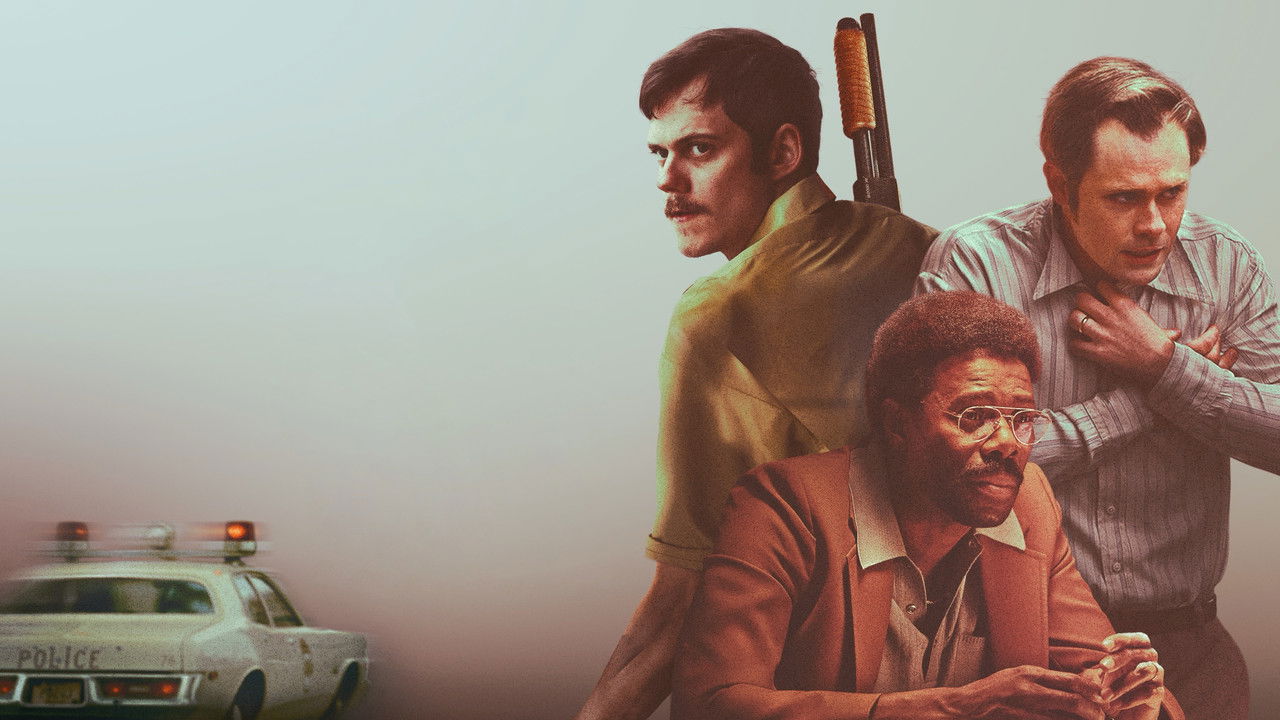
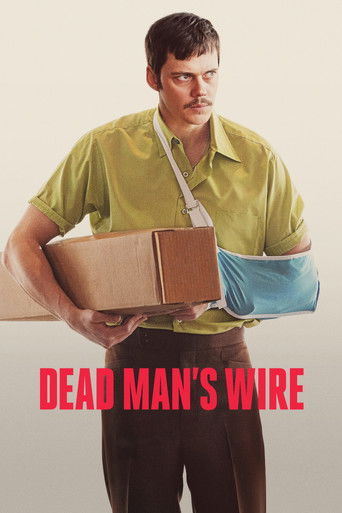
- Genre: Crime, Drama, Thriller
- Director: Gus Van Sant
- Year: 2026
- Runtime: 1h 45m
- Language: English (EN)
- TMDB Rating: ⭐ 6.5/10
Movie Overview
Dead Man's Wire drops you right into the middle of a mess that’s already boiling over. It's 1977 in Indianapolis, and a desperate real estate developer named Tony Kiritsis (Bill Skarsgård) has a shotgun wired to his neck and the neck of mortgage banker Hall (Cary Elwes), whom he’s just kidnapped from his office. Tony marches Hall into his own apartment and announces his demands to the police outside: five million dollars and a personal, televised apology from the banking executives who ruined him.
The film is almost entirely confined to that shabby apartment, turning it into a pressure cooker. We learn in bits and pieces about Tony’s failed land deals and the predatory lending practices that left him holding the bag. Meanwhile, Colman Domingo plays a weary police negotiator trying to talk Tony down, and Dacre Montgomery is a hungry TV reporter circling the story, eager for a sensational scoop.
What surprised me most was how the film gradually shifts your focus from the spectacle of the siege to the quiet, bizarre rapport forming between captor and captive. Hall isn't just a terrified victim; he’s a company man who starts to see the cracks in his own institution.
And the world outside keeps pressing in, through phone calls and TV broadcasts, until the whole city feels like it’s watching.
Direction & Cinematography
Gus Van Sant’s direction here is lean and focused, a far cry from the dreamy wanderings of his earlier work. He locks the camera in that apartment and rarely lets it leave, which creates an immediate, sweaty claustrophobia. You feel the walls closing in alongside the characters.
What struck me was his use of long, unbroken takes during the most tense conversations. There’s a scene where Tony explains the mechanics of the dead man’s switch to Hall—how if he drops the shotgun’s trigger, they both die. Van Sant holds the shot on their faces in a tight two-shot for a full minute, letting the horrifying reality of the situation sink in without a single cut for relief. It’s brutally effective.
But I’ll admit I didn’t expect the pacing to lag in a few spots during the second act. The film sometimes cuts away to the media circus or police procedural elements just when the dynamic in the apartment is getting most interesting, and it slightly deflates the tension it worked so hard to build.
Cast & Performances
Bill Skarsgård is the undeniable engine of Dead Man's Wire. His Tony is a volatile cocktail of calculated menace and genuine, wounded panic. He delivers most of his lines in a tense, conversational murmur, but his eyes are constantly darting, calculating. The physical commitment is total—you can see the strain of holding that shotgun in the permanent hunch of his shoulders.
Cary Elwes, as the banker Hall, provides a fantastic counterweight. He doesn’t play the role as a cowering coward. Instead, Hall’s terror manifests as a cold, bureaucratic disbelief that this is happening to *him*. His best moment is a silent reaction shot when he hears his own company’s PR statement on the radio; the flicker of betrayal on his face says more than any dialogue could.
I wasn't expecting much from the supporting cast given the two-hander premise, but Colman Domingo brings a wonderful, grounded exhaustion to the negotiator. He’s not a heroic savior; he’s just a good cop trying to stop a bad night from getting worse, and his phone call scenes with Skarsgård are highlights. Myha’la, as a junior producer, feels a bit underused, her character existing mostly to relay plot information.
Character Psychology
On the surface, Tony Kiritsis wants $5 million and a public apology. He wants his money back and his pride restored. He frames it as a righteous act of economic justice.
What he actually needs is to be seen and heard. He’s been rendered invisible and powerless by a faceless system, and this violent, theatrical stunt is the only way he knows to force the world to acknowledge his existence. The tragedy is that the acknowledgment he gets is as a monster, not a victim.
He’s self-aware enough to know he’s crossed a line he can’t come back from, but not self-aware enough to see that the spectacle is consuming him, too.
Themes & Emotional Depth
Beneath the crime thriller mechanics, Dead Man's Wire is really about the theater of American grievance. It’s about what happens when the promise of the system fails someone, and their response is to turn their life into a violent, public performance. The film connects the dots between personal financial ruin and the desire for a televised catharsis.
This theme crystallizes in the scene where Tony meticulously sets up the apartment lighting for the news cameras he knows are coming. He’s not just planning a crime; he’s directing his own martyrdom narrative, using the very media machine that usually ignores people like him as his stage. It’s a stark look at the birth of the modern ‘trial by media.’
Memorable Scenes & Dialogue
1. **The Walk Through the Office:** The opening sequence, where Tony, with the shotgun already wired to Hall, marches him silently past rows of stunned secretaries and executives out to the street. Van Sant shoots it in a single, unflinching take from a distance. It works because of the surreal, mundane horror of it; business just stops, and no one knows how to react to such a brazen, slow-moving catastrophe.
2. **The Apology Draft:** Tony forces Hall to write and rehearse the apology he wants from the bank’s president. Elwes plays it with the strained precision of a man drafting a business memo, while Skarsgård looms, editing it for emotional impact. The craft here is in the writing; the scene turns a key demand into a twisted lesson in PR and personal humiliation.
3. **The Phone Call with the CEO:** The moment when Tony finally gets the bank’s head on the phone. Instead of the screaming match you expect, Tony’s voice goes quiet and frighteningly reasonable. Skarsgård sells the chilling shift from explosive anger to cold, vindictive negotiation. It’s the moment you realize how smart and how far gone he really is.
The Ending — Does It Deliver?
The ending feels inevitable, which in this case is a strength, not a weakness. The film meticulously lays the track for where Tony’s logic must lead, and the climax follows that path without cheap surprises. It didn’t shock me, but it held a grim, fascinating power.
What stayed with me after the credits was the final shot, which I won’t fully spoil. It doesn’t focus on the dramatic resolution you might expect. Instead, it pulls back to look at the empty, trashed apartment, the stage now vacant after the performance is over. It leaves you with a hollow feeling, less about who ‘won’ and more about the sheer waste of it all—the human cost of a spectacle that ultimately changes nothing.
What Works
Bill Skarsgård’s completely committed, physically demanding performance is the anchor. He makes Tony frightening, pathetic, and weirdly compelling all at once. The claustrophobic direction by Gus Van Sant successfully turns a single location into a world of tension, particularly in the long-take scenes that force you to sit with the characters’ discomfort. The script is also smart to focus on the bizarre, transactional relationship that develops between Tony and Hall, which is far more interesting than a simple cat-and-mouse game. That dynamic gives the film its unsettling pulse.
Honest Criticism
The film’s mid-section sags when it cuts away from the apartment. The subplot involving Dacre Montgomery’s ambitious reporter feels undercooked and like a genre obligation, adding little new insight to the ‘media circus’ trope. It bothered me slightly that Myha’la’s character, a news producer, is given almost nothing to do beyond being a sounding board. These exterior scenes drain momentum from the core drama, making the 105-minute runtime feel a touch padded in places.
How It Compares
Dead Man's Wire sits in the same room as films like *Dog Day Afternoon* and *The Negotiation*. It has the sweaty, real-time pressure and media satire of the former, but it lacks Pacino’s fiery, sympathetic charisma—Tony is a harder character to warm up to. Compared to *The Negotiation*, it’s far less about the procedural chess game and more about the psychological symbiosis between the two men in the room.
Where it beats a lot of true-crime thrillers is in its refusal to sensationalize. It’s more interested in the quiet, weird moments between the explosions. But it falls short of the timeless, tragic humanity that makes the best of this genre stick with you for years.
Legacy & Cultural Impact
As a 2026 release, Dead Man's Wire arrived in the midst of a wave of true-crime miniseries and a renewed cultural interest in stories of financial desperation. It didn’t set the box office on fire, but it garnered respectable reviews for Skarsgård’s performance and Van Sant’s restrained approach. Its primary conversation was about the ethics of depicting real-life victims and perpetrators, especially in a story where the ‘villain’ frames himself as a victim of corporate America.
It’s the kind of film that will likely find a steadier audience on streaming—a solid, well-acted thriller for adults that doesn’t overstay its welcome.
Behind the Scenes
- Bill Skarsgård insisted on having a real, deactivated shotgun physically wired to a harness for most of the apartment scenes to authentically capture the weight and awkward physicality of the premise.
- The apartment set was built as a single, interconnected unit to allow for Van Sant’s preferred long takes, with removable walls for camera angles.
- The real Tony Kiritsis was acquitted by reason of insanity, a legal outcome the film hints at but deliberately avoids depicting in a standard courtroom scene.
Who Should Watch It?
Viewers who enjoy tense, dialogue-driven, single-location thrillers based on true stories will find a lot to like here. It’s for anyone who appreciates character acting over action set pieces.
Anyone looking for a fast-paced, twist-filled crime caper or a clear-cut hero/villain narrative should probably skip it. The pace is deliberate, and the moral landscape is purposefully murky.
Final Verdict
Dead Man's Wire is a strong, actor-driven thriller that makes excellent use of its bizarre true-story premise. It justifies its rating by delivering a consistently tense and psychologically interesting two-hander, even if it stumbles when it leaves the room. Gus Van Sant’s restrained direction serves the material well, and Bill Skarsgård proves again he’s one of the most interesting actors working today. While it doesn’t reinvent the genre, it executes its specific, claustrophobic vision with skill. Watch it for Skarsgård’s mesmerizing and unsettling performance alone.
More details, ratings, and cast information on IMDb, TMDB, Wikipedia. YouTube