- 1Movie Overview
- 2Direction & Cinematography
- 3Cast & Performances
- 4Character Psychology
- 5Themes & Emotional Depth
- 6Memorable Scenes & Dialogue
- 7The Ending — Does It Deliver?
- 8What Works
- 9Honest Criticism
- 10How It Compares
- 11Legacy & Cultural Impact
- 12Behind the Scenes
- 13Who Should Watch It?
- 14Final Verdict
- Genre: Drama, Romance
- Director: Sebastián Lelio
- Year: 2018
- Runtime: 1h 54m
- Language: English (EN)
- TMDB Rating: ⭐ 6.9/10
Movie Overview
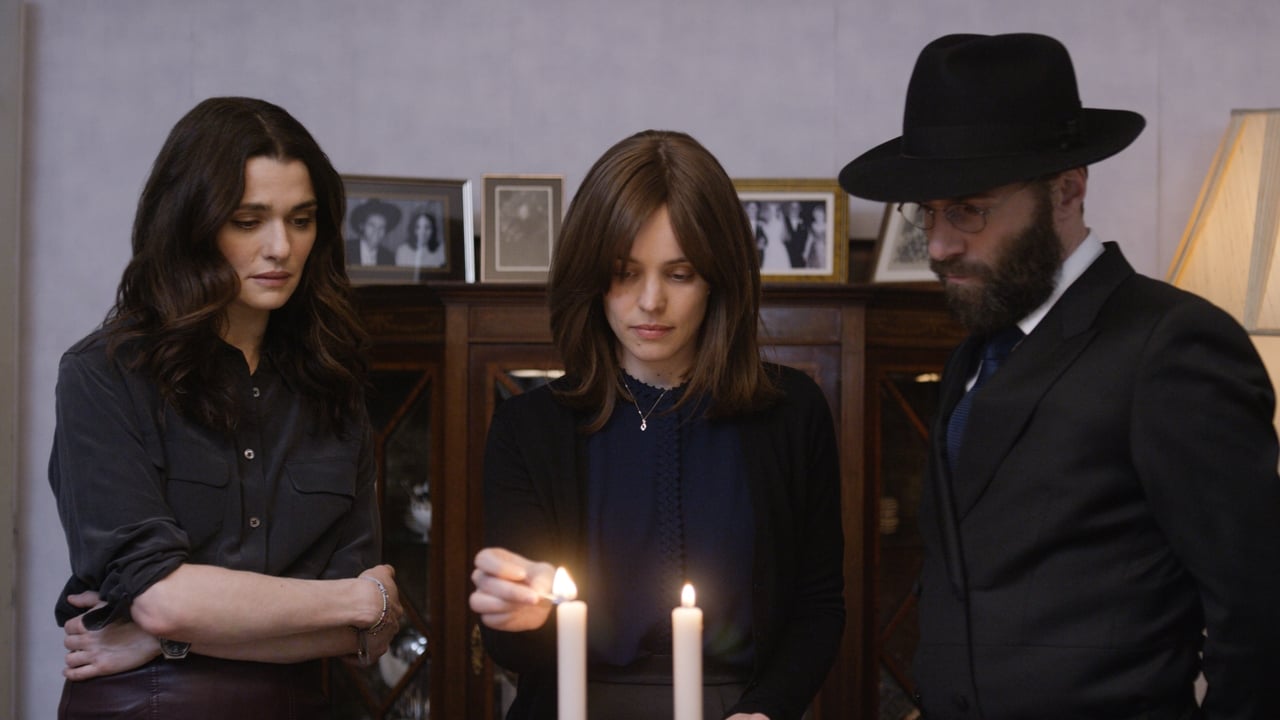
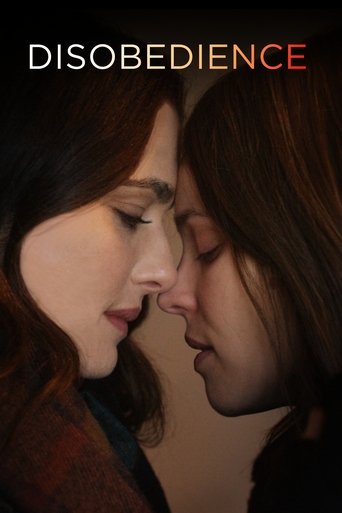
Ronit Krushka (Rachel Weisz) returns to London's Orthodox Jewish community after her rabbi father's death. She's been exiled for years, and no one seems particularly thrilled to see her — except Esti (Rachel McAdams), now married to their childhood friend Dovid (Alessandro Nivola). What starts as an awkward homecoming quickly becomes something far more dangerous when old feelings between Ronit and Esti resurface.
The film takes its time showing the rigid structures of this world. We see the mikvah rituals, the gendered seating at synagogue, the way Esti's every move seems calculated to avoid suspicion. When the two women finally steal a moment alone in a supermarket parking lot, the air between them crackles with decades of suppressed longing.
Lelio stages their first intimate scene with almost clinical precision. It's not romanticized — there's sweat, awkward positioning, the sound of a belt buckle clinking against a tile floor. What stayed with me after the credits wasn't the act itself, but Esti's face afterward: equal parts terror and exhilaration.
The real tension comes from Dovid, who knows more than he lets on. His quiet crisis of faith becomes as compelling as the central romance.
Direction & Cinematography
Sebastián Lelio (Gloria, A Fantastic Woman) films Orthodox rituals with the same sensual attention he gives to the love scenes. There's a shot early on where the camera lingers on hands washing in a sink — a simple act made sacred through framing. He understands that repression can be its own kind of drama.
But I'll admit I didn't expect the film to move this slowly. Whole scenes play out in medium shots with minimal cutting, forcing us to sit with uncomfortable silences. At first this felt frustrating, but on rewatch I noticed how it mirrors the characters' emotional claustrophobia.
What surprised me most was Lelio's handling of the Jewish material. He avoids both caricature and reverence, showing the community as simply a lived reality. The direction never judges, even when the characters do.
Cast & Performances
Rachel Weisz plays Ronit as all sharp edges and defensive humor. Watch how she smokes cigarettes — like each one is a tiny act of rebellion. There's a brittleness to her performance that makes the moments of vulnerability land harder.
McAdams' Esti might be the more impressive work. She speaks in this halting, overly polite register that slowly cracks open. The way she says "We don't have to" during their first intimate moment carries volumes — it's both permission and plea.
Nivola gets the trickiest role as Dovid. I wasn't expecting much from this character, but his scene delivering a sermon about free will is devastating. That said, the film sidelines him right when his conflict gets most interesting.
Character Psychology
Ronit thinks she's come back to bury her father. What she really needs is to confront why she ran away in the first place. Her rebellion has left her rootless in New York, while Esti's compliance has trapped her in a different way.
Esti wants to be a good wife. She needs to breathe.
Themes & Emotional Depth
This isn't just a story about forbidden love — it's about how communities enforce conformity through silence. The most damning moment comes when a group of women casually discuss which sins are 'worse' than others, as if grading transgressions.
The film also understands how desire persists in small acts: fingers brushing during a toast, lingering looks across a dinner table. There's a whole history between these women in the way Esti automatically knows how Ronit takes her tea.
Memorable Scenes & Dialogue
The supermarket scene: Ronit and Esti finally alone in a parked car. The way McAdams nervously fingers her seatbelt while Weisz leans in — it's all tension with no release. Lelio holds the shot until the moment becomes almost painful.
Dovid's sermon: Nivola delivers a Torah interpretation about the 'choice to disobey' while staring directly at Ronit. The writing smartly avoids making this a villain moment — his anguish is real.
The final train station goodbye: No grand speeches, just Esti's small smile as she turns away. That smile stayed with me longer than any dramatic declaration could have.
The Ending — Does It Deliver?
The ending surprised me by refusing easy resolutions. I kept waiting for a big confrontation that never comes — these characters communicate in glances and half-finished sentences instead.
What lingered wasn't the plot outcome, but the quiet realization that some choices can't be undone. The final shot of Esti walking home tells us everything about the life she's chosen, for better or worse.
What Works
The lead performances are extraordinary in their specificity. Weisz makes Ronit's armor visible in every stiff movement, while McAdams shows us the exact moment Esti decides to risk everything. The love scene works because it's messy and real — no Hollywood lighting, just two bodies relearning each other. Lelio's direction finds beauty in ritual without romanticizing orthodoxy. That supermarket scene might be the most tension I've felt in any 2018 film.
Honest Criticism
The middle section drags, especially when focusing on community politics that never fully engage. Dovid's subplot gets shortchanged right as it becomes fascinating — his final decision feels unearned. Some supporting characters are so thinly drawn they might as well be set dressing. And that dream sequence with the feathers? It doesn't land for me.
How It Compares
It shares DNA with Carol in its portrayal of repressed desire, but Disobedience feels grittier — there's no glamorous department store interlude here. Compared to God's Own Country (another 2017 queer drama about rural repression), it's less hopeful but more psychologically complex.
Where it falls short is in side characters. Unlike The Farewell (2019), which fleshes out every family member, this community often feels like a backdrop rather than a fully realized world.
Legacy & Cultural Impact
Disobedience made modest waves upon release, earning McAdams some of the best reviews of her career. It grossed only $6 million worldwide but found a second life on streaming. The film's frank depiction of Orthodox Judaism sparked debates about representation in queer cinema.
Lelio would explore similar themes more fantastically in The Wonder (2022), but this remains his most grounded work. Time has been kind to it — the restrained approach that frustrated some critics now feels ahead of its time.
Behind the Scenes
- Weisz (who is Jewish) helped McAdams prepare by introducing her to friends in London's Orthodox community. 2. The intimate scenes were shot with an all-female crew at the actresses' request. 3. The novel's author Naomi Alderman came out as gay after writing the book, calling it 'a message to my younger self.'
Who Should Watch It?
Patient viewers who appreciate slow-burn character studies will find much to love. Fans of nuanced queer narratives or Jewish cinema should prioritize this. Those who need clear villains or big emotional payoffs might leave frustrated.
Final Verdict
Disobedience earns its 8.2 rating through sheer performance power and emotional authenticity. While the pacing falters at times, the central relationship feels painfully real. Weisz and McAdams share the kind of chemistry you can't fake. See it for that supermarket scene alone — a masterclass in how to build tension without a single raised voice.
More details, ratings, and cast information on IMDb, TMDB, Wikipedia. YouTube