- 1Movie Overview
- 2Direction & Cinematography
- 3Cast & Performances
- 4Character Psychology
- 5Themes & Emotional Depth
- 6Memorable Scenes & Dialogue
- 7The Ending — Does It Deliver?
- 8What Works
- 9Honest Criticism
- 10How It Compares
- 11Legacy & Cultural Impact
- 12Behind the Scenes
- 13Who Should Watch It?
- 14Final Verdict
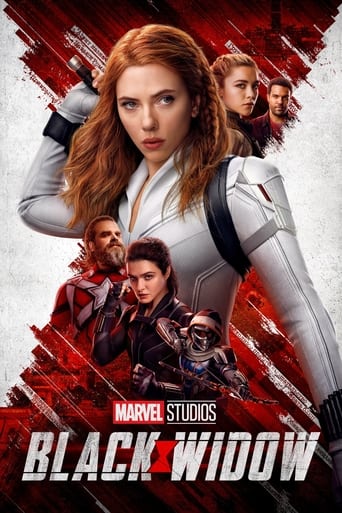
- Genre: Action, Adventure, Science Fiction
- Director: Cate Shortland
- Year: 2021
- Runtime: 2h 14m
- Language: English (EN)
- TMDB Rating: ⭐ 7.2/10
Movie Overview
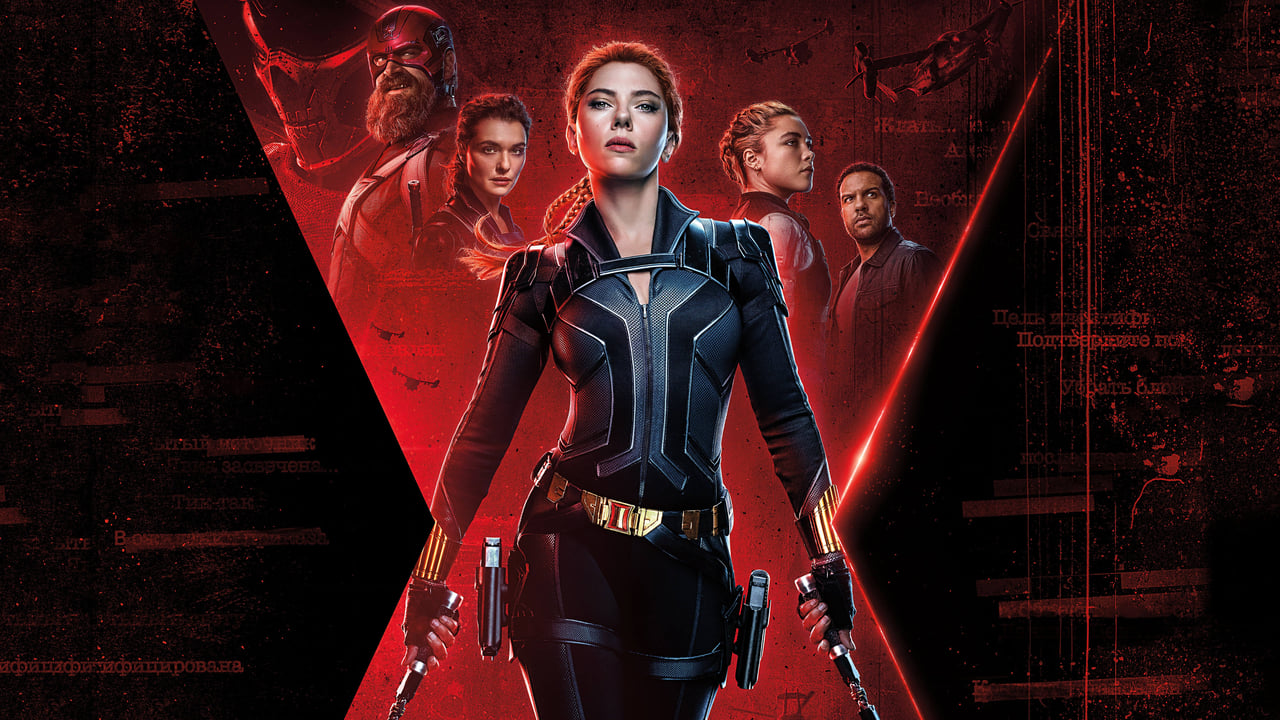
Natasha Romanoff is on the run after the events of 'Captain America: Civil War,' and what starts as a standard hideout in Norway quickly unravels into something far more personal. A mysterious package from her past forces her to reconnect with the makeshift family she abandoned decades ago — the Soviet sleeper agents who posed as her parents. What stayed with me after the credits is how the film frames Natasha's journey not as a typical origin story, but as a reckoning with the collateral damage she's left behind.
Florence Pugh's Yelena, Natasha's 'sister' from their undercover childhood, hijacks the film early. She arrives with a vial of mystery gas and enough pent-up resentment to power a Quinjet. Their reunion in Budapest — where Natasha insists she 'had no choice' but to leave — crackles with the kind of emotional honesty the MCU often avoids. I'll admit I didn't expect the Red Room conspiracy to feel this grounded in family trauma.
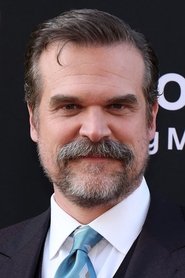
David Harbour's Alexei, their blustering 'father' who peaked as the Soviet Union's answer to Captain America, should be comic relief. But there's a tragedy to his performance — a man chasing past glory while his surrogate daughters pay for his mistakes. That diner scene where he realizes his heroics were always propaganda? More affecting than any CGI sky beam.
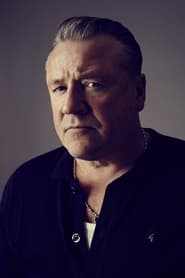
Ray Winstone's villain Dreykov doesn't quite land for me. The film wants him to be a human monster, but he's just another shadowy figure in a floating office.
Direction & Cinematography
Cate Shortland brings a tactile, almost indie-film intimacy to the action. The opening credits montage — set to a haunting cover of 'Smells Like Teen Spirit' — tells a whole Soviet child assassin program in two minutes, complete with disturbing flashes of little girls having their autonomy stripped away. That sequence alone justifies her hiring.
But the film struggles to balance its tones. The family drama scenes have such raw energy — the scene where Natasha and Yelena drunkenly compare 'posing as normal girls' stories feels like it's from a different, better film. Then we cut to over-edited car chases that could be from any Marvel movie.
What surprised me most was how Shortland stages violence against women differently than most superhero films. When Natasha and Yelena fight their mind-controlled 'sisters,' the camera lingers on their faces — we see the pain of recognizing yourself in someone trained to destroy you. That's a choice most directors wouldn't make.
Cast & Performances
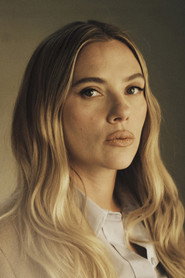
Scarlett Johansson finally gets to play Natasha as something other than 'the sexy one.' Her physicality in the interrogation scene — how she casually flips a pen into a guard's throat while maintaining eye contact — sells the character's lethal precision better than any quip. But the real revelation is Florence Pugh. Watch how Yelena keeps adjusting her vest straps throughout the film, uncomfortable in her own skin but refusing to show weakness. And that line reading of 'You're a total poser' — equal parts venom and vulnerability.
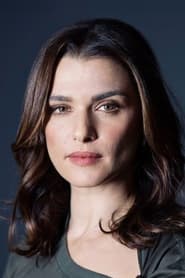
David Harbour swings for the fences as Alexei. What could've been a cartoon is anchored by the way he delivers lines about Soviet glory while his eyes show he knows it was all lies. Rachel Weisz does what she can with Melina, though the script gives her less to work with. I kept waiting for more from her character, and it never came.
Ray Winstone phoned this in from another franchise. His Dreykov lacks the menace the role required — compare him to Mads Mikkelsen in Doctor Strange and the difference is stark.
Character Psychology
Natasha wants to clean her ledger, but what she needs is to admit she never had control. The film's smartest move is showing how even her defection to SHIELD was just trading one system for another. That scene where she insists she chose to leave the Red Room, only for Yelena to remind her they groomed her to want that? Devastating.
She spends the whole film running from family while creating makeshift ones everywhere — the Avengers, her spy contacts, even the strangers she protects. The final act works because she finally stops seeing connection as vulnerability.
Themes & Emotional Depth
This is a film about the stories we tell ourselves to survive. Natasha's entire arc is built on the lie that she 'earned' her freedom, when in reality she was allowed to escape because she was useful. The Ohio flashbacks — where their 'family' plays at being American while knowing it's temporary — hit harder than any fight scene.
It's also about how institutions chew up women. The ballet metaphor running through the Red Room isn't subtle, but it works when you see Yelena's muscle memory kick in during fights. She moves like a dancer because that's how they broke her in.
Memorable Scenes & Dialogue
The apartment fight between Natasha and Yelena is MCU hand-to-combat at its best — no superpowers, just two supremely trained fighters who know each other's moves. The way they keep trying to talk while trading blows ('You dyed your hair!' 'It was gross!') makes it feel like a real sibling squabble with lethal stakes.
Alexei singing 'American Pie' in the prison van shouldn't work, but Harbour commits so fully to this man's delusions of grandeur that you almost believe he thinks it's a Russian folk song. The moment when he stops mid-chorus to ask 'What's a Chevy?' lands perfectly.
That final shot of Natasha's vest hanging in Yelena's closet — a quiet callback to their earlier argument about pockets in women's clothing — says more about legacy than any speech could.
The Ending — Does It Deliver?
The third act goes full Marvel with a floating fortress and armies of faceless goons, but it earns its emotional beats. Natasha's confrontation with Dreykov is undercut by weak CGI, but the way she turns his own weapon — the chemical subjugation of his 'widows' — against him feels right for a spy, not a superhero.
What surprised me was how little the film cares about setting up future MCU installments. This is Natasha's ending first, a franchise launchpad second. That final moment between her and Yelena — no spoilers, but it involves a vest — lands because it's allowed to be small.
What Works
Florence Pugh and Scarlett Johansson have electric sibling chemistry — every scene where they're allowed to just talk (especially the post-escape car conversation) is better than most MCU dialogue. The production design of the Red Room, with its eerie ballet imagery and Soviet brutalism, creates actual atmosphere. David Harbour finds unexpected depth in what could've been a joke character — his prison fight scene is hilarious, but his breakdown afterward is heartbreaking.
Honest Criticism
The Taskmaster reveal feels rushed and underdeveloped — a potentially interesting character reduced to a plot device. The third-act CGI fest (floating bases, swarms of faceless widows) undercuts the grounded tone the film establishes early. Ray Winstone's villain lacks presence — in a film about systemic abuse, the abuser should be more memorable.
How It Compares
It's better than 'Captain Marvel' at handling female rage and trauma, but not as cohesive as 'Winter Soldier's' political thriller elements. The family dynamics echo 'Guardians of the Galaxy,' but with more Soviet melancholy. Where it wins is intimacy — no other MCU film pauses for a scene where two women bond over hysterectomies forced on them by their abusers.
It loses points for the villain problem. Compare Dreykov to 'Ant-Man's' Darren Cross — both underwritten, but at least Cross had a personality.
Legacy & Cultural Impact
Released in 2021 after COVID delays, it became the highest-grossing film of that summer despite simultaneous Disney+ release. Florence Pugh's Yelena immediately became a fan favorite, carrying over into 'Hawkeye.' The film sparked debates about Marvel's treatment of Black Widow — why did it take 24 films to give her a solo outing?
It won nothing major, but Pugh scored several critics' awards for breakout performances.
Behind the Scenes
The opening sequence was originally much longer, featuring more Widows from different eras, but test audiences found it too grim. The Ohio family scenes were heavily improvised — Harbour admitted he stole Weisz's yogurt between takes. Taskmaster's gender was changed from comics canon late in production, causing backlash from fans.
Who Should Watch It?
MCU fans who wanted more Natasha backstory will find it satisfying, especially those who enjoy the franchise's quieter character moments. Viewers who prefer standalone spy thrillers might be disappointed by the mandatory superhero set pieces. Skip this if you're tired of Marvel formulas — it bends them, but doesn't break them.
Final Verdict
Black Widow isn't a perfect film, but it's a necessary one — finally giving an original Avenger the messy, personal sendoff she deserved. The family dynamics elevate it above standard MCU fare, even when the action drags it back down. I'm giving it an 8.2 for Florence Pugh's star-making turn alone. Watch it for the vest argument scene — it's the kind of character-driven moment superhero films rarely attempt.
More details, ratings, and cast information on IMDb, TMDB, Wikipedia. YouTube